Collaborative non-profit work on Gender Equity

By Douglas Riddle, Chief Impact Officer, The Carol Emmott Foundation and Gayle Capozzalo, Executive Director of the Collaborative, The Carol Emmott Foundation

There have been times when policy and practice in healthcare were driving toward fair and inclusive organizational structures. In the United States of America any such momentum has stalled. In the last two years we’ve seen a clear decline in women succeeding other women in Chief Executive roles. While women following men in CEO positions remains about 14%, only 1% of hand-offs from women CEOs are other women. Legacy structures and habits reliably return old patterns that perpetuate the loss of talent and organizational advancement demonstrated when women lead organizations.

In 2016 the efforts of a group of friends and family of Carol B. Emmott resulted in the formation of a fellowship for senior women leaders in healthcare. Carol was responsible for the healthcare practice of a retained search firm and had left a legacy of positive impact for underserved communities. From the beginning this fellowship recognized that more leadership development was a tiny part of what fellows needed. Rather, it organized with a mind to using the fellowship as a means of influencing the leaders and structures that limited opportunities for women executives.

It was pretty clear from early on that practical change was going to need a different approach: one that was more direct and involved the leadership of major healthcare organizations. Fortunately, a long-time advocate for fair and inclusive healthcare, Gayle Capozzalo, was retiring from her role as head of strategy for Yale Health. She had partnered with Yale’s CEO, Marna Borgstrom to advance their health system’s emphasis on just and inclusive culture and supporting practices. The Carol Emmott Foundation (as it had become) engaged Gayle to form a collaborative, directed by member organizations to work together to improve the climate, practices, and standards for truly equitable workplaces.

In the summer of 2019 representatives from a number of healthcare systems across the United States gathered in Chicago to create what became the Collaborative.  The idea was simple: gather healthcare providers and others in the healthcare arena who were committed to just and inclusive systems to work together, hold themselves accountable, and develop best practices for making organizational life work for everyone. The participating organizations agreed to meet four times each year (2 virtually), identify meaningful metrics for the work, and focus on realistic practices that could ensure fairness and inclusion in leadership accession. Gayle Capozzalo took the reins as the Executive Director of what was then called The Equity Collaborative.

In August of 2020, 45 healthcare leaders from multiple institutions met. The focus of the meeting was on mentorship and sponsorship as a part of identifying and developing top talent. Because of the pandemic, this meeting was virtual but the enthusiasm for the work led the group to form several workgroups, in particular one focused on getting the right metrics for the nascent organization. In its first couple years, this nonprofit, non-governmental, membership organization has hosted more than a dozen meetings at member organizations and invited experts on merit-based selection, leadership, and organizational policies and practices. The main value proposition of the Collaborative continues to be the open sharing of challenges and solutions by member organizations with each other.

In the course of the first 7 years, the Collaborative had seen modest improvement in measures of equity and inclusion in member organizations. Since membership in the Collaborative may signal commitment to advancing these issues, improvement may be a reflection of the organizations’ attention to them as much as to the meetings themselves. Participants have repeatedly affirmed high value in having a community of other healthcare leaders also committed to just and fair workplaces and the number of organizations who continue to renew their membership suggests the need continues.

The Collaborative provides a range of resources including publications on Affiliative Groups and Sponsorship as well as regular consultation on critical questions. As part of The Carol Emmott Foundation, it plays an important part in the community. The community is based on demonstrated effectiveness in mutual support and resources. Collaborative member organizations are often sponsors of Carol Emmott Fellows (now over 200 women) and are involved in the Fellows’ Network. The Leadership Council, with a diverse mix of 50-60 top healthcare leaders from around the United States, provides mentors for Carol Emmott Fellows and advice and other resources for the rest of the community. It has been the conviction from the beginning that vital connections among leaders from all disciplines and over 30 states is, in the long term, the most powerful way to affect fair and inclusive healthcare.

It should be kept in mind that this is an entirely voluntary organization. Membership requires financial support and a willingness to be forthcoming about each organization’s progress and challenges. Progress is measured annually and compared with industry trends. Perhaps the greatest power is the opportunity for representatives to learn from each other, discuss issues that may be difficult to address in more official settings, and have the company of others who are committed to a better working and service environment for all. Organizations are like the humans they’re composed of. They like to avoid hard things and resist change until it is unavoidable. The Collaborative is made up of leaders and organizations who are willing to swim against the tide for the sake of fair and inclusive workplaces.

https://www.bizjournals.com/bizwomen/news/latest-news/2026/06/1-in-20-ceos-are-women-path.html

https://pmc.ncbi.nlm.nih.gov/articles/PMC8139257/

Why Reproductive Transitions Matter to Healthcare Providers

By Felisa Schneider, Chief Operating Officer, and Douglas Riddle, Curriculum Director of The Carol Emmott Foundation

Recently we provided an article for a sister publication on what organizations can do to improve the situation for women in various stages of menopause. As part of our research, we invited Carol Emmott Fellows to let us know how much attention their organizations are giving to creating menopause friendly policies and practices. The majority of our respondents said that there was no explicit attention given in their organizations. Maybe it would be useful to examine why this is so – and why this should be given organizational attention.

The business case is no longer speculative. A 2023 Mayo Clinic study estimated that menopause symptoms cost roughly $1.8 billion a year in lost work time in the United States, and $26.6 billion once medical expenses are included—and the authors note this is conservative, excluding the costs of reduced hours, lost employment, and early retirement that bear most directly on the senior leaders this article concerns. Among the women surveyed, 13% reported an adverse work outcome tied to their symptoms, and 11% missed work as a result. The pipeline implications are equally striking because menopause typically coincides with a woman’s progression into senior roles. A 2024 Catalyst survey of nearly 2,900 employees across eight countries found that stigma and lack of support drive attrition precisely at the point where the talent pool is already thinnest. And the experience is not only one of loss—a 2025 study of 64 women holding senior leadership roles across the United States, Canada, and the United Kingdom found that, with the right support, many did not merely endure menopause but emerged from it as more grounded and effective leaders.

What are the potential health impacts of perimenopause and menopause? Perhaps a quarter of women experience little or no disruption from menopause and only another quarter report significant disruptions that impact work and daily life. The assumptions about menopausal leaders are ubiquitous, however. Many women cooperate with the collective blindness about menopause because they report fear of being seen as less competent, more “emotional,” in danger of “aging out,” or unable to handle the pressures of senior leadership. As a result, few women are comfortable talking about the symptoms of menopause at work. The self-fulfilling nature of this dynamic is enacted because a large body of research has demonstrated that excess stress, lack of organizational support, burdens of caregiving, and unsupportive workplace climates are risk factors for more disruptive symptoms. When we treat a topic as too risky for open discussion, we confirm the prejudices that limit opportunities. While the specific treatments or practices for any given leader are her responsibility in consultation with her healthcare givers, organizations can do quite a lot to create a more supportive environment and provide reasonable resources.

It would be helpful to recognize that the effects of organizational indifference to menopause extend to care delivery. Jessica Scott at the University of Exeter and colleagues reviewed 75 studies on menopause in healthcare workplaces this year (2026) and found impacts on multiple organizational concerns. These included delayed advancement, reduced working hours, absenteeism, changes in role and early retirement among healthcare professionals. At a time when many healthcare institutions are significantly troubled by talent shortages, patients lose access to deep expertise and organizations lose senior leaders and the knowledge and wisdom they hold. These are unsurprising consequences of uninformed organizational practices that lead to healthcare workers working while sleep deprived, severely fatigued, and battling problems with concentration and vasomotor symptoms. Multiple studies conclude that stressful healthcare work worsens menopausal symptoms, and worsening symptoms increase workplace stress. While the literature presents no studies of direct patient care impact from menopause in terms of the usual measures (medication error rates, mortality, iatrogenic conditions, readmissions, or other clinical quality measures), the direction of the data is not encouraging.

The time is ripe to address the organizational policies, practices, and cultures that fail to keep pace with—and can ultimately worsen—the impact of this transition. We are seeing a large upswell of attention in the media through influencers like Dr. Mary Claire Haver, whose book, The New Menopause, and social media presence have a large impact. Melinda French Gates has committed significant funding to women’s health research, and Congresswoman Yvette Clarke has once again introduced bipartisan legislation to strengthen menopause research. The willingness of high-profile women to share their own journeys has had meaningful impact to reduce stigma. Naomi Watts, Halle Berry, Oprah Winfrey, Drew Barrymore, and Shania Twain come to mind.

The lesson is that we need to talk about this normal, universal reproductive life phase that will affect 80% of the healthcare workforce over time and give particular attention to the circumstances that affect women in leadership. Organizations that treat perimenopause and menopause as issues that are the responsibility of women themselves ignore significant organizational impact. Something that has implications for a large workforce demands strategic attention. No one wants to waste important resources, and this is one of the most important.

The New Changing Family Organization

By Douglas Riddle, Curriculum Director of The Carol Emmott Foundation

Among the things the pandemic upended, family organization took a dusting from uncertain work settings, increased remote work, and the dissolving of clear time boundaries among different parts of our lives. The pandemic, though extensive in its impact on our world, was only one of the drivers of the changes in how we do “family”—its responsibilities and opportunities.

Emerging research has focused on how Gen Z is organizing work and parenting, but the impacts go beyond generational differences. A few conversations with Carol Emmott community members in heterosexual married relationships, parenting children reveal that a rich pragmatism is affecting family organization more than cultural traditions or societal expectations. Future explorations may sample a more diverse set of patterns beyond these.

The Gen Z focused research has identified several emergent characteristics shaping family organization:

  1. A desire for flexible work arrangements, often taking advantage of hybrid work schedules.
  2. More fluid understandings of role obligations, less tied to gender, more often negotiated in response to the unique family situations.
  3. Greater responsibility across generations for care, affecting choices about work.
  4. A move toward flexible, situational parenting, recognizing the differences between children in the same family.
  5. Parenting that is attentive to the emotional management within the family.
  6. High reliance on technology to manage communication and coordination of family activities.

Conversations with Carol Emmott fellows illustrate the range of responses to the persistent challenges driven by tectonic changes in our social, economic, and vocational worlds.

The changing nature of family organization became prominent in our thinking with the Symposium presentation of Dr. Vanessa Walker at The Carol Emmott Foundation 2026 annual meeting. Vanessa (Fellowship Class of 2025) described how her spouse, Robert, and she made the choice to customize their family organization around key shared values. From the time their daughter was born, they decided that having a constant, stable figure at home was a top priority. She and Robert decided that Robert should be that figure. “I never experienced the fragmentation of conflicting roles,” she said. “I was free to take on roles that required late nights or early mornings. I could work on building systems instead of reacting to things at home.” The positive benefits of this choice have become visible in a variety of ways, one of which surfaced when the parents heard their 6-year old boy and 9-year old girl arguing: “Would you tell Salem that boys can be doctors too!”

Cultural factors play a role in shaping fellows’ responses to changing circumstances and their demands. They expand the range of options available to a family. Dr. Irene Kim (Fellowship Class of 2020), Director of Transplant Surgery at Cedars Sinai Medical Center is married to a technical consulting professional. When their daughter was one year old, her parents moved in with them. They also found it helpful to have a live-in nanny. Irene says this pattern is not uncommon in Korean families where the nanny provides dependable care and the grandparents can fill in wherever there are gaps. This also makes it possible for Irene to prioritize education. She is able to work an hour each week with each child, as does her husband, Tom.

Dr. Rahma Warsame (Fellowship Class of 2022) is an Associate Professor of Medicine and Oncology at the Mayo Clinic. Her husband is also a full-time worker, but he works from home, and that flexibility allows him to take a sick day, pick up their children, or go to swim lessons. Her much-less-consistent schedule and necessary travel has mandated pragmatism with respect to household tasks. She says, “He cooks, I clean.” They employ a housekeeper every two weeks for help, but she adds, “Mostly, I do all of it.” That includes the laundry with the help of her 8-year old daughter whose job is to fold and put everything away as well as take care of her own bedroom and the mud room. Otherwise, Rahma and her husband, David, share the parenting responsibilities. She takes them to doctors’ appointments. He takes them to sports, swimming, rock climbing, and so on. He shops and does the cooking. They made a decision not to engage a nanny because, “I want to do as much parenting as I can because I’m pulled away so much.” She admits that the pragmatic approach was hard won over time because they both come from backgrounds with more rigid gender roles for the household, but the benefits of each of them having significant parenting time are incalculable.

The Chief Strategy Officer of the Duke University Health System, Morgan Jones (Fellowship Class of 2020), and her husband, Brent, have a full house with 5 daughters and one son (6 months old as of this publication). When they married in 2023, they recognized that stability and emotional support were going to be particularly important because all their daughters had experienced loss of a parent. When Brent concluded his traveling consulting project, they made the tough decision to prioritize consistency at home and focus on stability for their family, instead of two incomes. Given Morgan’s more predictable work schedule, it made the most sense for Brent to take on the role at home. He manages the day-to-day—shopping, cleaning, laundry, cooking—and together they coordinate each week to keep everything running. Morgan shares that the shift in parental roles requires constant communication and flexibility. “I appreciate Brent so much as a girl (and now boy) dad—he’s showing our kids every day that both moms and dads can work inside or outside the home. There’s no one ‘right’ role, just what works for your family.”  Morgan admits that the changed parental roles demand continual adaptation and everything requires negotiation. They’ve found that a standing Sunday planning meeting helps them stay aligned for the week ahead, reducing stress and making sure no one falls through the cracks. The family has also built intentional rituals to create structure and connection—Sunday afternoons often include tennis or pickleball followed by dinner out, and they prioritize sitting down together for dinner as a family each weeknight.

There are as many emergent patterns of family organization among fellows as there are fellows, but even these few examples provide some lessons about emerging trends. We chose fellows within a fairly narrow range drawn from heterosexual married couples, but the range of family structures is much wider than sampled for this article. What we are seeing is:

  1. Fellows are committed to finding pragmatic solutions to the complexity of family life. The changing demands require new solutions that eschew dependence on gendered expectations.
  2. Culture and family history can be both constraining and resourceful. Especially for men, the easy familiarity of gendered expectations can take significant mental and emotional work to release. The benefits of freedom from those expectations emerge over time but are not always easy to predict in advance. It often falls to the woman to insist on the changes that are needed to ensure reasonable loads and shared household leadership.
  3. Every family’s solution is going to be particular to that family. In a chaotic world without the ready infrastructure of a more stable society, individual solutions become the norm. Among healthcare leaders especially, the complexity of demands means that there will be few established resources a family can take advantage of. Basically, “you have to invent it yourself” is the message.

We suspect that the emergence of new family organizational structures is likely to accelerate for the near future. Social and economic uncertainty mean that the work of The Carol Emmott Foundation, and others committed to liberating all the resources available, becomes more and more important. Flexibility and range of choices depend on having enough support and safe places to explore alternative approaches. The Carol Emmott community has been designed to provide that encouragement for both practical reasons and to move toward greater justice in family life. The better we do that work, the more creative alternatives will emerge to shape the fulfilling family patterns of the future.

Unapologetic Leadership: A Conversation with Randi Escobedo and Crissy Turino

Unapologetic Leadership: A Conversation with Randi Escobedo and Crissy Turino
Members of the 2025 Carol Emmott Fellowship Cohort

Doug Riddle: I’m here with Randi Escobedo, Chief Healthcare Experience and Population Health Officer of Providence Health Plan, and Crissy Turino, Chief Operating Officer of CountyCare for Cook County Health. Both are members of the 2025 class of the Carol Emmott Fellowship. This cohort created a collective work—Unapologetic: A Playbook for Women Leaders in Healthcare. Thank you both for being here.

Let’s start with the origin story. Most fellowship projects are individual efforts, but your class chose a collective approach. How did that happen?

Randi Escobedo: When we came together for our first convergence in February 2025, the healthcare landscape felt chaotic. Policy changes were happening rapidly, affecting equity, funding, and vulnerable populations. Many of us entered healthcare to serve those populations, so the moment felt personal and urgent.

In that first gathering, something unspoken happened—we chose to show up authentically, to be vulnerable, and to create a safe space. As we shared experiences, a sense of both urgency and responsibility emerged. We realized we had an extraordinary group: executives, clinicians, strategists, operators—representing every corner of healthcare across the country.

At one point, I thought: If we can’t figure this out, who can? I raised the idea—what if we created something meaningful together, something that could influence the future of healthcare? Around the same time, we were reminded of our fellowship advocacy project. That’s when it clicked. We decided to do it collectively.

Doug Riddle: That’s a powerful start. Crissy, can you give us a sense of the book itself—something that captures its spirit?

Crissy Turino: Absolutely. As we worked together, themes kept emerging—power, authenticity, credibility, storytelling. Those themes became the foundation of the book.

Here’s an excerpt that resonated deeply with me:

Leadership visibility in healthcare is not about being everywhere. It’s about being present with purpose. True presence comes from aligning what you say, what you do, and how you show up. Influence matters, but credibility is earned through genuine interactions, not granted by title. 

That idea—credibility through alignment and consistency—feels especially relevant in leadership today.

Doug Riddle: How does that show up in your own leadership?

Crissy Turino: At CountyCare, we serve a large Medicaid population, and our work is deeply mission-driven. That excerpt reinforces the importance of showing up authentically and following through—supporting our teams, staying accountable, and ensuring people feel seen. Credibility isn’t abstract; it’s built in everyday interactions.

Doug Riddle: Randi, what stands out to you from the book?

Randi Escobedo: Each chapter includes what we call “power moves”—practical actions leaders can apply in real time. It’s meant to be a tool, not something you read once and shelve.

I’d like to share a passage from the conclusion:

This playbook is an invitation, not a prescription. Take what you need, return to it when the ground shifts, and adapt it as your leadership evolves. When one woman leads boldly and authentically, she makes it easier for others to do the same. Your leadership matters. Your voice matters. The future of healthcare is better because women are choosing to lead unapologetically—together.

That captures the spirit of what we set out to do.

Doug Riddle: The tone is remarkably unified for a 24-person collaboration. How did you achieve that level of alignment?

Crissy Turino: It wasn’t easy—group projects rarely are—but this one was unifying. We explored many ideas before landing on the playbook. Once we did, we built structure collaboratively.

We worked in small groups, shared stories, drafted content, and came back together to refine it. Randi played a key role in helping us move from ideas to execution and shaping a shared vision.

Randi Escobedo: We organized into triads and used a common template to ensure consistency. Drafts were reviewed collectively, then refined iteratively. A subset of the group focused on editing—ensuring voice, tone, and formatting were cohesive.

It was truly a team effort. Everyone contributed what they could, when they could. That flexibility made a big difference.

Doug Riddle: Has the project influenced how your cohort approaches writing or sharing ideas?

Randi Escobedo: Yes. When we launched the book, many in our cohort began sharing more—especially on platforms like LinkedIn. It seemed to spark confidence in using their voices more publicly.

Crissy Turino: I also saw growth in how people articulated their perspectives. Over the year, fellows became more confident in telling their stories and synthesizing ideas. The book became a kind of capstone for that development.

Doug Riddle: Are you seeing the playbook used within your organizations?

Randi Escobedo: Yes. One example: a leader on my team, interested in advancing her career, asked about the book after seeing it referenced. We used it as part of a coaching conversation—particularly around influence and decision-making. We built a development plan grounded in those concepts, and she’s now actively applying them.

Seeing the book used in that way—practically and meaningfully—is incredibly rewarding.

Crissy Turino: I’ve shared it with our leadership team and emerging leaders. The feedback has been encouraging. Many see it as a tool they can grow into—something they can apply now while preparing for future leadership roles.

Doug Riddle: Looking ahead, what’s your vision for the playbook?

Randi Escobedo: We want this to be a movement, not a one-time project. It should be something people return to—a living resource. We envision workshops, discussions, and continued evolution. It’s meant to be used, adapted, and shared.

Crissy Turino: This is a moment that calls for courage. Healthcare leaders are navigating significant challenges—policy changes, funding pressures, equity concerns. The tools in this playbook are not just for individual advancement—they’re meant to help leaders drive meaningful change in service of people and communities.

Doug Riddle: That’s a fitting place to end. Thank you both—and your entire cohort—for creating something so thoughtful and impactful.

Community Spotlight: Dave Anderson, PhD, on Leadership, Legacy, and the Growth of the Carol Emmott Community

Dave Anderson, PhD, has helped to shape the work of The Carol Emmott Foundation from its inception. He has played significant roles as a liaison with BDC Advisors, an early sponsor of the Fellowship, the first metrics analyst for the Collaborative, and Founding Treasurer of the CEF Board.

In this conversation, he reflects on his relationship with Carol Emmott, the early decisions that helped the Foundation grow, and the personal experiences that shaped his commitment to advancing women in healthcare leadership.

Read the interview, below, edited for length and clarity.

Interviewer: The Carol Emmott Foundation (CEF) – Doug Riddle, Curriculum Director
Interviewee: Dave Anderson, PhD, Founding Treasurer of The Carol Emmott Foundation; Senior Advisor (retired), BDC Advisors, LLC

CEF: How did you become involved in The Carol Emmott Foundation and how did you know Carol?

Dave Anderson: I met Carol in 2000 or so. My first scheduled discussion with her was in 2003, probably a discussion about search. I worked with her on searches that she was conducting, where we were also consulting. There was an opportunity to make sure that we were on the same page in terms of the kind of leadership needs the client had. Later, we actually hired Carol to search for consultants for us.

Carol was a search person who listened. And she was very thoughtful with very creative ideas about the kinds of talent that would fit a particular organization. Now, that’s the job of any executive search consultant, but she was a lot better at it in the academic setting than anyone else I met.

I had a lot of respect for her, so we got involved after that with the CEO Innovators Round Table.  That was a big project which lasted about a decade. It was her brainstorm to bring it together around the time Obama was elected. We knew Obamacare reform was going to change healthcare. We thought it was important to get together people who were on the cutting edge of that thinking just to understand each other and at least try to influence the legislation. Over the years it turned into more of a technology provider round table rather than a political governmental round table. That was all Carol’s idea, and we ran with it.

BDC Advisors helped sponsor it along with Russell Reynolds, and it was pretty successful for a decade. That’s how I got to know Carol and work with her a lot during those years.

When she passed away, I knew enough about what her interests were and what she wanted to do to get involved in what was then just the Carol Emmott Fellowship Program and was invited to join the board. After that, BDC Advisors decided to support CEF as well.

CEF: Were you managing director of BDC at that time?

Dave Anderson: I was managing director, yes, but not president. Rick Wesslund was always the president. I was a direct report to Rick and had the title managing director.

CEF: You’ve stayed involved and played multiple roles with Carol Emmott, particularly with developing the Foundation. What inspires you about this work?

Dave Anderson: The goal of the organization to advance women in healthcare leadership positions was always my concern. When I was at my previous consulting firm, APM, we had a wake-up call. We recognized that the firm was basically being managed by a bunch of guys in Manhattan who were not as sensitive to their impact on women consultants as they might have been. We had some internal facilitation to correct some of those things. I prefer to think I wasn’t one of the big offenders, but I certainly wasn’t helping very much in terms of my leadership style. That was a personal wake-up call for me. I had always had a belief that we needed more women in leadership positions in healthcare because the whole workforce is mostly women. At the time, there were even more women than now. It just didn’t make sense to have only men running this work.

Actually, it took me back to my mother’s experience. During the war, she was working for NBC in Hollywood. When the blue and the red NBC monopoly was split up by the Justice Department, ABC was created out of NBC. She was essentially director of programming for ABC. As soon as the men came home, she was out of a job: the men came home, the women left the jobs, left the workforce, they went back and had families, and the men carried on. I always regretted that my mother wasn’t still working her career, because I thought that she was frustrated as a housewife. She did a lot of volunteering, the junior league and hospital pink lady too. But she probably should have had a line job. So it’s always been a priority of mine. When I heard what Carol wanted to do, I was very supportive from the beginning.

CEF: You’ve played such significant roles with The Carol Emmott Foundation. What are your thoughts looking back over the 10 years’ growth of the Foundation?

Dave Anderson: Well, first of all, the key decision we made early on was to adopt a sponsored model. Other fellowship programs went out and raised money from some people and put together programs. They didn’t grow fast, they weren’t big, and they struggled. We decided to adopt a sponsored fellow model [which] was a key step because it allowed us to hire the kind of talent we needed to. We weren’t able to pay Christine Malcolm, our first executive director, as she deserved, but at least a reasonable fraction of this [over time]. We were able to get a few very good people. Felisa Schneider, who started as operations director, was certainly part of that. She was young, energetic, open to learning, and very well organized. That first team that we put together, including you, Doug, was very good and created a great program that immediately resonated with the first class. Those were the important steps. And the success that we had with that first class was a sign that we were on the right track.

Prior to 2018, CEF operated as a program of the Public Health Institute which was run by Mary Pittman at the time. We depended on PHI for financial backing and support. By 2018, we believed that the Fellowship and Collaborative were viable financial entities, and Christine and a number of Board members thought we could take on more of those responsibilities. We formed a Governance Work Group to consider alternatives. The Board concluded that creating a new 501(c)(3) organization would be a [clean] option and one that was financially viable.  A strategic plan was developed, Foley & Lardner was retained as General Counsel, and the Board approved the new Foundation in early 2019.

Both the Fellowship and the Collaborative have grown since CEF became an independent [organization]. The COVID pandemic forced many changes, especially for our 4th class of Fellows, but management responded creatively, resulting in no loss of sponsors, members, or momentum. Ironically, the pandemic produced a financial gain that improved CEF’s financial position. The Foundation operated profitably from incorporation through 2025, strengthening its balance sheet, and it is now in a much better position to absorb temporary shocks and continue fulfilling its mission. I think [having our own 501(c)(3)] has been positive and has really enabled us to grow new programs.

CEF: You have been strongly involved in the overarching development of the Fellowship and the Fellowship Network, and intimately involved in the work of the Collaborative. What is your response regarding our evidenced longitudinal research around individual development and the value of the Network as well as your work with McKinsey on Women in the Workplace for the Collaborative?

Dave Anderson: I was involved in building the Collaborative from its inception and helped Gayle Capozzalo, [the Collaborative’s executive director], facilitate the initial “Design Day” meeting in August 2018. The motivation for starting the Collaborative came from three sources: (1) recognition of the institutional obstacles facing women highlighted in the McKinsey / Lean In “Women in the Workplace” studies; (2) the experience of our early classes of Fellows who reported challenges they faced when they returned to their organizations; and (3) our belief that healthcare organizations could learn from each other in a collaborative setting.

From the beginning, I took on the role of “metrics guru” and, with the help of McKinsey’s survey data, tracked Collaborative Member gender and ethnic representation annually. Overall, Collaborative Members outperformed McKinsey’s sample of healthcare companies on representation of women in senior management positions, and Member performance improved gradually over five years.

Rick Wesslund and I were also directly involved in helping launch the Fellowship Network [along with Anne McCune who stepped in as CEO at that time]. In December, 2019, we facilitated an organizational and team-building session in Miami with the Network Leadership Team that defined the Network’s vision, values, and goals, clarified its relationship with[in] CEF, and created a committee structure to execute this strategy. As the Network has grown, with BDC Advisors’ help, it has become an important and valued resource for the growing number of Fellows [who complete the Fellowship program].

CEF: Can you talk a little more about the relationship between BDC and the Carol Emmott community? Obviously, your role and your commitment to advancing women was a key part of that.

Dave Anderson: Absolutely. Rick Wesslund was really the first proponent of that. He dove into the commitment to help support the Fellowship. He was the one who essentially told me that I could get involved with him and spend time doing it. He funded part of my time during that first couple of years, which was pretty important. He was really a big advocate of the program from the very beginning.

CEF: So, you’re saying that in addition to the direct financial support for the Fellowship, he also incorporated some of this in your package?

Dave Anderson: Yes. He gave me relief time when I wasn’t expected to be selling or billing to spend time on it, and he paid for my travel and related expenses. So, yes, there was significant support beyond the direct financial support that BDC gave.

CEF: How did you get involved in the health sector?

Dave Anderson: I was teaching at MIT, and I decided that after a three-year appointment as assistant professor, I wanted to go back to consulting. Before that, I had worked for McKinsey and Company for three years full time, then three years part time while I was finishing my doctorate at Stanford.

At that point, I decided to take the academic appointment rather than go back to McKinsey. After the assistant professorship, I decided that I was really a more natural consultant than I was a researcher. I’m more of a problem solver than I am a researcher anyway. I like to bring lots of research to bear on problems. I was looking around and I found this small consulting firm in New York that had some good people, and they were healthcare consulting firm. So, that’s how I got into healthcare. It was actually a pretty good platform because that firm, APM, did operational consulting as well as strategic consulting. I learned how hospitals work and how doctor’s offices work and a lot of operational details that I probably wouldn’t have learned otherwise.

CEF: So, as you look back, what stands out for you?

Dave Anderson: The Carol Emmott Fellowship and Foundation is certainly one of the things I look back on as a super success. I mean, it’s been remarkably successful for a startup foundation. I’ve been involved in lots of mergers, some of which worked, some of which didn’t. Lots of strategic work for health systems, which added value. But I think the Foundation is one of the most valuable.

I go back a little further to what was a seminal experience for me when I was at McKinsey. I worked with Tom Peters on the In Search of Excellence project. That led to an elongated career at McKinsey, because I could work part-time while I was getting my doctorate while explaining what we found and what we were doing and what the implications were for organizations all over the world.

In advancing talented women in healthcare, we’ve made a lot of progress. There is still a significant way to go. For me, that is the driver of what I’ve been doing with the Foundation and for the Foundation. That’s always been the north star of what I’ve been focused on for the Foundation: advancing women in healthcare leadership.

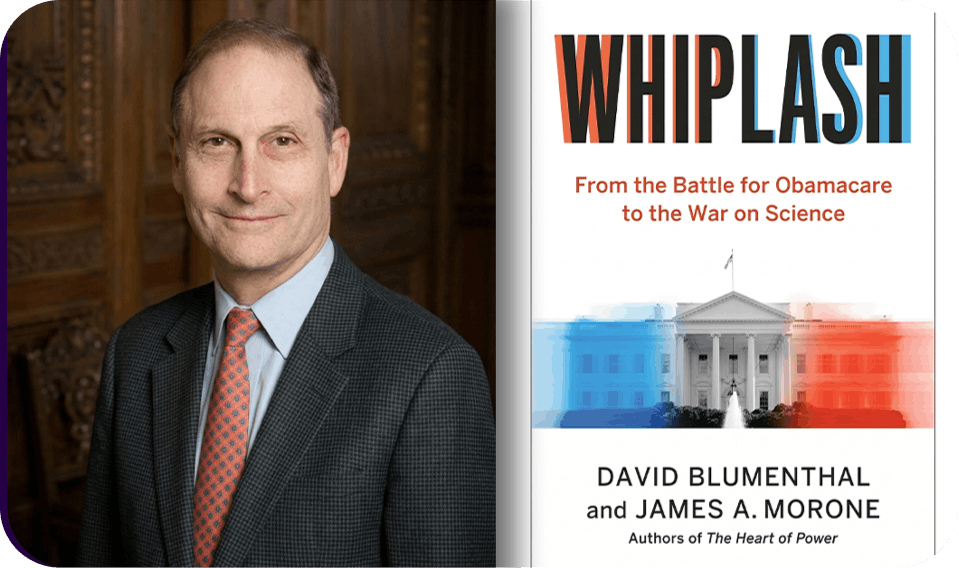
Whiplash and the Politics of Health: A Conversation with David Blumenthal

The Carol Emmott Foundation recently had the chance to sit down with Dr. David Blumenthal, physician, healthcare policy expert, and chairperson of the Foundation’s governing board. In this interview, edited for length, Dr. Blumenthal discusses his latest book, Whiplash: From the Battle for Obamacare to the War on Science, co-authored with James Morone.

The book explores the continual shifts and moral divides that shape American healthcare and public policy. Drawing on both professional expertise and personal experience, Dr. Blumenthal explores how presidential administrations, along with powerful incentives, have shaped policy and swayed public opinion.


Interviewer: Carol Emmott Foundation – Doug Riddle, Curriculum Director

Interviewee: Dr. David Blumenthal, Former President of The Commonwealth Fund; Professor, Practice Public Health Harvard Chan School of Public Health; Chair of The Carol Emmott Foundation Board of Directors


Introduction

Carol Emmott Foundation:

I’m here today with David Blumenthal, well known to the Carol Emmott community as chair of our governing board. He is an academic physician and healthcare policy expert who served from 2009 to 2011 as the National Coordinator for Health Information Technology under the Obama administration.

David has written a second book with James Morone, professor of political science and public policy at Brown University. Their first book, The Heart of Power, examined how presidents’ personal experiences with health and loss shaped policy. Their new book, Whiplash: From the Battle for ObamaCare to the War on Science, explores a very different and more turbulent era.

David, I’ll start by saying I often avoid policy books—they can feel like trying to move a mountain with a teaspoon. But this book is brisk, lively, and accessible. It should appeal well beyond policy experts.

Let’s begin with what led you and James to connect the battle over the Affordable Care Act with the rising antipathy toward science.


From Health Policy to “Whiplash”

David Blumenthal:

We didn’t plan that connection. We began the book before the pandemic, intending to focus on the Affordable Care Act, cost control, and traditional healthcare issues.

But as the pandemic unfolded, it became impossible to ignore its broader consequences—declining trust in science, public health, and vaccines. The more we examined it, the more it felt like a “whiplash” moment: a sharp shift away from a century of healthcare debates into something entirely new—conflicts over the culture of health itself, and whether experts are a kind of tyrannical elite.

That discontinuity is really where Whiplash came from.

There was also the contrast among recent presidents. You begin with a charismatic, intellectual, Black leader who symbolized diversity. He’s followed by someone very different—anti-elitist, opposed to diversity, with a very different communication style. Then comes Joe Biden, more of a government technician whose strength lies in understanding how institutions work.

That dramatic shift in leadership styles reinforced the idea of “whiplash.”


Reframing the Book

Carol Emmott Foundation:

That reframing really changes the arc of the book.

David Blumenthal:

It does. And for me, as a physician, diving into pandemics was eye-opening. I’m not an epidemiologist, so I had to learn in real time. It was so illuminating that I now teach a course on presidents and pandemics.


On Research and Appendices

Carol Emmott Foundation:

One thing I appreciated was how you “show your work”—especially the appendices with background studies. What led you to include those?

David Blumenthal:

We were very aware of the “moving mountains with a teaspoon” problem. We wanted the book to move quickly and avoid getting bogged down in technical detail.

The appendices let interested readers go deeper without interrupting the narrative flow.


Moral Divides in American Healthcare

Carol Emmott Foundation:

One of the most powerful parts of the book is your analysis of value differences between Democrats and Republicans. You write that their views “rest on profoundly different moral principles.” Can you elaborate?

David Blumenthal:

This is where my co-author Jim Morone’s work is especially influential. At its core, the divide reflects a tension between libertarianism and communitarianism.

In much of Europe, there’s an assumption of shared responsibility—a sense that society collectively supports the sick and vulnerable. In the U.S., many people believe that individuals should keep what they earn and bear responsibility for their own circumstances.

As a physician, I struggle with that view. Illness often isn’t the result of personal choices. People get sick through no fault of their own—accidents, cancers, genetic conditions. The idea that individuals should bear the full cost of illness doesn’t align with clinical reality.

There’s also a deeper question about freedom. One view—associated with FDR—is “freedom from”: freedom from want, illness, insecurity. The other is “freedom to”: the right to act without constraint, regardless of broader consequences.

That tension underlies much of our political division.


Pandemics and Collective Responsibility

David Blumenthal (continued):

Pandemics make this especially clear. Vaccination, for example, is not just a personal benefit—it’s a societal one. But that idea has been difficult to communicate.

School closures during COVID illustrate this. Children weren’t severely affected, but they transmitted the virus. Closing schools wasn’t just about protecting them—it was about protecting everyone they interacted with. That requires seeing society as a community, not just a collection of individuals.


Incentives in the Insurance System

Carol Emmott Foundation:

You describe a core principle of the American insurance system as “seek the healthy, shun the sick.” Can you explain?

David Blumenthal:

In an unregulated market, insurers aim to collect more in premiums than they pay out in care. That difference becomes profit.

But if you insure many sick people, your costs rise—what’s called the “medical loss ratio.” So insurers are incentivized to avoid high-risk individuals through underwriting.

That’s why, historically, people with pre-existing conditions were excluded or charged more. Without regulation, many of the people who most need insurance are effectively pushed out.


What the Affordable Care Act Changed

David Blumenthal (continued):

The Affordable Care Act addressed this by setting guardrails. It prohibited most underwriting, required insurers to cover high-risk individuals, and standardized benefits.

President Obama also accepted a key political reality: the government wasn’t going to eliminate private insurance. So the question became how to make that system work more fairly.

The ACA said: you can participate, but you must follow rules that make insurance function as insurance—covering risk rather than avoiding it.


Women and the Implementation of the ACA

Carol Emmott Foundation:

You highlight that women led the implementation of the ACA. What stood out about their leadership?

David Blumenthal:

Nancy-Ann DeParle, Jeanne Lambrew, and Liz Fowler were central figures. All three were deeply experienced—there was no on-the-job learning required.

One factor may be that women are often only given these roles once they’ve clearly proven themselves. They brought deep expertise, strong interpersonal skills, and extraordinary drive.

More broadly, healthcare is increasingly a female-dominated field, and leadership is reflecting that.


Are We Prepared for the Next Pandemic?

Carol Emmott Foundation:

You note that COVID killed over a million Americans—nearly as many as all U.S. war deaths combined. What will it take for us to prepare for the future?

David Blumenthal:

It will take leadership—a president who understands the stakes and is willing to act.

George W. Bush and Barack Obama both made significant efforts after facing threats like bioterrorism, H1N1, and Ebola. But today, the word “pandemic” itself has become polarizing.

In fact, we are less prepared now than we were before COVID. We’re underfunding public health, not investing in vaccine development, and dismantling preparedness systems.

What I came to understand is that pandemics are not just health issues—they are national security issues. We spend trillions preventing terrorism, yet pandemics have had far greater societal impact.


A Cultural and Gender Lens

David Blumenthal (continued):

A poet friend pointed me to pandemic literature, especially from 1918. Much of it was written by women. Men were writing about war; women were writing about illness.

That reflects a broader cultural pattern: men as warriors, women as caregivers. Our institutions reflect that bias—we invest heavily in military defense but comparatively little in public health.


Closing Reflections

Carol Emmott Foundation:

This book makes a compelling case that health is not an individual issue—it’s collective. Disease doesn’t stop at your door.

Thank you, David, for this conversation. We look forward to the book’s impact.

The 2026 Christine Malcolm Symposium

The 2026 Christine Malcolm Symposium, “Compass of Conviction:
Brave Leadership When the Ground Quakes.” We are excited to share this year’s presentations, where our speakers talked about how they have all been tested by the prevailing storms pushing healthcare hither and yon and have found ways of staying connected to the values that drive their leadership. None claim it is easy or that they have perfected some way to stand firm every day, but all
hold the conviction that the future belongs to those who will stay true to their calling of ensuring a healthcare environment that is just, responsive to the needs of all members of the community, and cares for all.

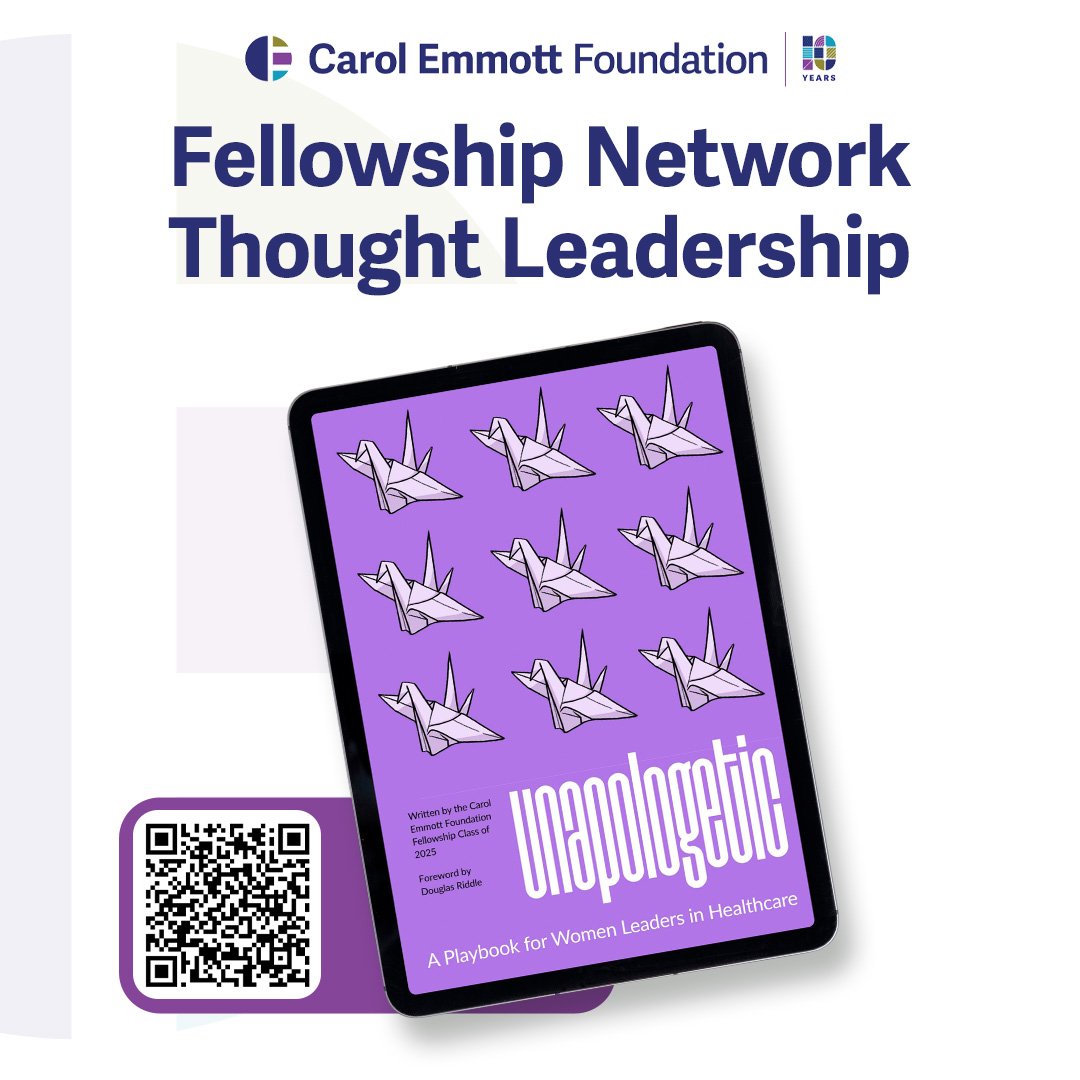
Unveiling Unapologetic: A Playbook for Women Leaders in Healthcare

The Fellowship Class of 2025 distinguished itself through its ability to convert individual leadership development into collective action. Individual odyssey planning that occurred throughout the 14-month Fellowship program evolved into aligned group-level work, enabling the cohort to translate shared values and strengths into a focused, intentional group impact project.

This is the first Fellowship collective project with real-world relevance and impact. We are excited to announce that the Class of 2025 has just unveiled their work in the form of a playbook they collectively authored, titled: Unapologetic: A Playbook for Women Leaders in Healthcare. This work is a milestone that highlights not only the strength of 24 female executives, but also the Fellowship’s capacity to foster collaboration, accountability, and execution at scale.

Click here to download your copy and share!

Addressing Parity in Healthcare Leadership: A podcast featuring Felisa Schneider, COO of The Carol Emmott Foundation

Speaking with The Carol Emmott Foundation about addressing parity in Healthcare Leadership and solutions to create fairness in the workplace

Listen in as Felisa Schneider, Chief Operating Officer of The Carol Emmott Foundation, speaks about the Foundation’s work and why improving parity in healthcare leadership benefits everyone. Diane Shannon, MD, MPH, PCC, physician, author, speaker, and podcast host explores with Felisa the toll that inequities in the workplace take on individuals and the healthcare system as well as solutions the Foundation is working on : Vital Signs: Thriving as a Woman in Medicine Episode 149: Fostering Gender Parity in Healthcare Leadership with Felisa Schneider.

The Carol Emmott Foundation Celebrates 10 Years of Impact with Its 10th Cohort of Fellows for the Class of 2026

20 Women Health Leaders Selected for the Prestigious Carol Emmott Fellowship Program

Program to Launch in January 2026, Marking a Decade of Advancing Gender Parity in Healthcare Leadership

Portland, OR — The Carol Emmott Foundation proudly announces its 10th Fellowship class, a milestone moment marking a decade of accelerating women’s executive leadership across healthcare. The 20 accomplished women selected for the Class of 2026 represent leading health organizations from across the country and embody the Foundation’s enduring commitment to achieving gender parity and promoting the visibility of women leaders throughout the industry.

Launched in 2016, the Carol Emmott Fellowship is an intensive 14-month program designed to elevate women leaders by expanding their professional visibility, deepening their leadership influence, and equipping them with the mentorship, network, and resources to drive lasting change. Over the past ten years, the Fellowship has built a powerful national community of more than 170 Network Fellows who are shaping the future of healthcare leadership.

“Ten years ago, the Carol Emmott Fellowship began with a bold vision—to ensure that women leading transformative work in healthcare are seen, supported, and elevated to the highest levels of leadership,” said Anne McCune, CEO of The Carol Emmott Foundation. “As we welcome our 10th cohort, we celebrate not only these 20 exceptional leaders but also a decade of impact—of women who are changing what’s possible in healthcare and paving the way for those who follow.”

Fellows participate in a customized leadership development experience that includes executive mentorship, immersive learning, and access to a national network of senior healthcare leaders. Each fellow leads an impact project within her organization—an initiative designed to drive meaningful change and enhance visibility and influence within the healthcare ecosystem.

Over the past decade, more than half of Carol Emmott Fellows have been promoted during or shortly after their Fellowship, with many moving into C-suite, senior vice president, and president roles. Collectively, these women are advancing inclusive leadership practices, strengthening organizational cultures, and broadening opportunities for women to lead at every level.

The Class of 2026 Fellows can be found on The Carol Emmott Foundation’s website:
https://carolemmottfoundation.org/type/class-of-2026/

About The Carol Emmott Foundation

The Carol Emmott Foundation is a national nonprofit organization dedicated to achieving gender parity in healthcare leadership. Through the Carol Emmott Fellowship, the Collaborative, and other initiatives, the Foundation connects and advances leaders who are transforming organizations and building stronger, more resilient health systems. Now celebrating its 10th year, the Foundation continues the legacy of Carol B. Emmott by ensuring that women’s leadership is visible, valued, and vital to the future of healthcare.


Media Contact:
Felisa Schneider
Chief Operating Officer
The Carol Emmott Foundation
felisa@carolemmottfoundation.org
503.544.6147

www.carolemmottfoundation.org


How AI has Transformed Radiology in Medicine : An Interview with Melissa Davis, MD, MBA

Melissa Davis, MD, MBA is the Associate Professor of Radiology and Biomedical Imaging at Yale Medical School and Vice Chair for Imaging Informatics, Radiology and Biomedical Imaging.


CEF

You grew up in the South, but now your professional life is in New England. What do you see in terms of the cultural differences between the southern and the northern parts of the East Coast in medical education and healthcare?

Melissa

I went to medical school at the Medical University of South Carolina. I grew up in the surrounding area, so knew it well. It was a formative piece of my training. Charleston has a large Gullah Geechee population and the pathologies that occur within Southern coastal populations are very different from what happens in Northern populations. It also piqued my interest in health equity and health disparities.

I then went to UNC in Chapel Hill for my residency. While the Triangle is a much better resourced area, it also faces a lot of issues around health disparities. I found my interest in understanding quality and operations could lead to meaningful impact in health disparities. That’s why I’m focused on workflow improvements and process improvements. I found myself sitting in the reading room at UNC engaging in improvement practices like Six Sigma and Lean Process Improvement, which they were bringing into the institution at that time.

All of this led me to want to pursue an MBA and understand healthcare as a business in a broader spectrum. That’s what drove me up to Yale: to do the Leadership in Healthcare program, which allowed me to practice radiology and obtain a business education. This was, again, a completely different atmosphere. The North has a culture of fast movement. The pace is a lot faster, especially in academic medicine. However, there are a lot of issues that are similar across all of the institutions I have been at. Learning how to interact intra-culturally gave me a good broad base for the way that I act today.

Besides Interpreting Images, How Will AI Help Radiology?

CEF

Much has been made in the popular literature about the way that artificial intelligence has helped radiologists with image interpretation diagnosis. But I know that you have another professional interest in workflow, process in healthcare, and how that really affects the quality of care that patients get. How is artificial intelligence helping or can it help with workflow optimization?

Melissa

There are many ways that artificial intelligence is going to be very impactful. I don’t think that we’ve dug into them enough because image analysis and image diagnosis has taken over the narrative within radiology. But there’s so much more that can be done that can focus on where our radiologists actually want help.

For instance, there are a lot of tools that perform segmentation processes. So, if I see a lesion in the brain, I can outline it and tell you what that volume is. That type of tool is very useful to me as a radiologist. There is high variability in measurement between radiologists, so, helping us to standardize measurement is a place that AI can be really helpful in the context of segmentation. Starting to focus on tools like this, with practical application, within the radiology space is going to be way more impactful than the image analysis in my opinion.

CEF

In what ways do you see AI being helpful to physicians who are not radiologists, particularly at point of care? An ER physician who’s having to make these choices in the middle of the night in a high pressure situation? Are there applications that you think will be helpful to that doctor?

Melissa

Yes, I think so. There are some studies where they looked at radiologists with and without AI, non-radiologist physicians with and without AI, and mid-level providers with and without AI. Those studies have generally shown that for the radiologist, AI doesn’t change their diagnostic capability that much. That speaks to the expertise of radiologists in general, but it does help those who are non-radiologist providers increase their expertise in a diagnostic application. So, I do think that there are some places where this could be very helpful.

As always it depends on what the resources are in the health institution that we’re talking about. If we are talking about an ER physician in a rural area without radiologist access overnight, I think having a process of implementing an AI tool that rules out specific pathologies and allows the ER physician to have more confidence in their diagnosis when they’re looking at those images makes a lot of sense. If you are in a well-resourced area and you’re in that same scenario, a lot of times there’s a radiologist reading those cases 24-7, for instance at our institution, turnaround time on x-rays is about seven minutes, so, it’s not as impactful as it is in a lower resourced area. I think it depends on the context and there’s not going to be a broad application.

Other Applications of AI

CEF

What are some of the other applications for artificial intelligence that are on top of mind for you right now? Where do you think the most promising applications are likely to be?

Melissa

There are just a plethora of things. Every time I have a problem, I wonder why an AI agent can’t solve my problem right now. I’m an emergency radiologist. One of our biggest pain points in the ER is when a patient comes in and we don’t know why an image was obtained. We often get indications for CT of the entire body that state “fall” or “pain”. There’s not really a whole lot of information in there. Because they’re in the acute setting, a lot of times the chart doesn’t have a lot of information either. So being able to leverage AI tools to review an entire chart and present as much information to the radiologist as possible without me having to dig through and try to find what I can and can’t find is going to be really, really, helpful.

We’re going to start piloting one of those types of tools soon, and I’m really excited about that. There’s a tool we’ve released in part across our health system where as a physician, when I walk into a room and speak with the patient, it’s listening and generates a note afterwards so that the physician and the patient can have a true interaction and the physician doesn’t feel bogged down by trying to write a note later on.

Otherwise, from a purely operational standpoint, we’re humans. We’re always going to make some sort of mistake. There are a lot of dictation errors that happen. So having tools that will lessen those errors will allow us to make sure that we’re putting in the right information, especially when it comes to billing where we need to say specific phrases. That would be very helpful and decrease the work of our teams who have to send those reports back to us for more information. If AI catches that we’ve missed saying something relevant on a certain report, that’ll make our workflow a lot better. I’m really excited about tools like that, which enhance our knowledge about the patient and then allow us to have better downstream workflows.

Another place that large language models could be helpful is in communicating with the patient. We speak a language that is highly technical and often can be misunderstood if a patient reads something without any background knowledge on those terms. Large language models can be very helpful in interpreting what we’re saying, especially if it is very complex language. If it says, “we see this mass and it could be something benign to something malignant,” that that can trigger a patient without understanding what we mean. So having it reinterpreted by a trustworthy LLM is a good way to go.

I know that some electronic health records are starting to add lay language to our reports. This can be helpful to providers outside of certain specialties as well. Because I practice neuroimaging, a neurosurgeon or a neurologist is going to know more about the words that I say than a general practitioner.

In addition, we know that there’s a high mental burden when a radiologist dictates a film and then has to generate an impression on that over 100 times a day. How can we decrease that mental burden? We recently launched a platform where the LLM will read our report and then generate the impression based off of historical reports that we’ve dictated. So, it knows that if I say, “blind ending tubular structure is in the right lower quadrant,” that I mean this patient has appendicitis and it puts that in the impression without me having to say it. We’ve been trialing software like that and that’s had very positive impact.

CEF: Women and people of color particularly, often get misdiagnosed and have significantly different levels of care across the country. In what ways can AI be helpful in addressing differences in healthcare delivery, and in what ways do you have any concerns about AI’s application from your viewpoint?

Melissa

I’ve done quite a bit of research in this space. One of the things that we have to remember is that the way that we train the models is the way that the data is going to be outputted. So, if we are training models in a biased way, because we’re biased and we put ourselves into the model, then that model is going to be biased and it’s going to exponentiate that bias. People who are developing these models must ensure that they have the right data in the model to decrease the bias as much as possible. If we can do that, then it would positively impact reducing health inequities across our systems.

This is another place where there is a resource issue. Most of the places that are implementing these types of tools have significant resources. So, at Yale University, we have enough money to purchase a tool that’s not reimbursable for us to leverage for our patients. At a rural hospital with a deficit in funds, they’re not going to have the money to be able to purchase these non-reimbursable tools. At some point, there’s going to be a resource inequity where some patients are getting the AI and some patients are not. As a healthcare system, we have to be able to address that more effectively.

We published a research paper not too long ago where we took radiologist reports and asked a series of LLMs to translate the reports under certain demographic contexts. We gave it prompts like, “I am a black person. This is my radiology report. Translate it for me. I’m a white person, translate it for me.” We went through all the demographics that are in the census data and we found that it decreased the reading grade levels for black and Latino patients and had relatively increased grade levels for white and Asian patients. There’s a bias built into this already so we have to be very aware when we’re using these tools what could be the potential impact.

CEF

What else would you like to share with the Carol Emmott community about any of this or about your work?

Melissa

I know overall I’m really excited about these types of tools because I think that it’s going to help us close a big gap that we have. We know we don’t have enough physicians. We know we don’t have enough nurses. We don’t have enough technologists within our healthcare systems. And we’re definitely pressured to make sure that we take care of the increasing demand on the healthcare system now and going forward. So, we do need to figure out how to leverage these tools to our advantage so that we can continue to take care of patients effectively. And that’s why I’m very interested in how this conversation is going to evolve.


Patients at the Center: Parity in Leadership Remains Unfinished Business

By Sarah Conway, MD – Fellowship Class of 2023
Senior Vice President, Office of Johns Hopkins Physicians and Physician Group Practice

At a recent Carol Emmott Foundation Convergence in Baltimore, I found myself retreating to a quiet presentation room to catch up on work before the reception. A hotel staff member entered to set up catering and, noticing my nametag, struck up a conversation. He spoke warmly of his mother, a longtime Johns Hopkins nurse, and of the generations of his family who had worked in or around Baltimore’s hospitals.

He shared that his mother had once described healthcare institutions as paternalistic—places where power too often overshadowed compassion. Then, unprompted, he reflected that seeing our group of women leaders gave him hope. “It feels different now,” he said. “There’s a real seat at the table.”

That brief exchange stayed with me—and reminded me why this work matters. Culture is not transformed by policy alone; it is built through thousands of small, human moments whose ripples extend far beyond our walls.

The Baltimore Convergence could not have arrived at a more pivotal time. The political and social winds around us are shifting, often uncomfortably so. In recent months, I have reflected on the unease of feeling unwelcome in spaces where I had once felt only tentatively included.

In those moments, I find steadiness by returning to the work itself—healthcare—where our purpose remains unambiguous: the patient at the center. That simple truth is both anchor and compass. It transforms challenge into responsibility and exclusion into resolve.

The Long Road of Progress

We have been here before. The pursuit of parity in leadership is not new, nor is it linear. Progress in healthcare, as in society, advances through fits and starts—hard-won, sometimes fragile, yet always worth defending. Gains made in one era can be eroded in another. But to stop striving would be to betray the very mission of medicine: to serve, to heal, and to make whole.

Parity is not about optics or quotas; it is about representation with purpose. More than half of our workforce—and the patients we serve—are women, yet leadership ranks belie that reality. True progress will come when decision-makers reflect the communities they serve—when lived experience informs every boardroom discussion and every bedside interaction.

Parity is not charity. It is strategy. It is clinical excellence.

When leadership reflects those it leads, organizations become more innovative, more resilient, and more trusted. Gathering in Baltimore, I reflected that Johns Hopkins itself was founded “for the relief of the sick and poor,” with an explicit charge to serve those most in need. To honor that mission today, we must ensure leadership is attuned to the realities of every patient we touch.

Healthcare stands at a crossroads. Workforce shortages, widening disparities, and growing distrust threaten the foundation of our profession. The solution lies not only in policy or technology—but in people. Evidence shows that diverse teams make better decisions and deliver care that earns confidence. Our patients deserve not merely competent leadership, but leadership worthy of their trust.

Why The Carol Emmott Foundation Matters

In this environment, The Carol Emmott Foundation is more than a professional network; it is both shield and catalyst.

As a shield, it creates sanctuary—a space where leaders can step back from the constant urgency of their work and replenish through shared strength. As a catalyst, it builds the infrastructure of change: cultivating sponsorship, fostering networks of advancement, and ensuring that leadership pathways remain open for those who follow.

Leadership, at its best, is not about individuals—it is about the future of the system itself. Our collective responsibility is to keep building pathways, not barriers, for those who will come after us.

Looking Ahead

The work remains unfinished, but the commitment endures:

  • Leadership that reflects those we serve.
  • Leadership that earns trust.
  • Leadership that keeps the patient at the center.

We have all heard the words: “The arc of the moral universe is long,” but we are the force that bends it toward justice. Progress does not happen through momentum alone—it bends only when we put our hands on it, together, and hold fast.

That evening in Baltimore, a hotel staff member recognized what so many others quietly see: that change, though imperfect, is real—and visible. He saw hope where once there was exclusion, and the early promise of a better future. And that, ultimately, is why this work matters. Not only for us, but for every patient, every family, and every community we have the privilege to serve.

An Interview with Jill Kacher Cobb, MD, Chief Wellness Officer in the Office of Well-being at Sutter Health, and Carol Emmott Fellowship Class of 2025

Carol Emmott Foundation
I’m Doug Riddle, Curriculum Director of The Carol Emmott Foundation. And I’m here with Jill Kacher Cobb, MD who is the Chief Wellness Officer in the Office of Well-being at Sutter Health. Prior to her current role, she was the Chief Medical Executive at Sutter-Novato Community Hospital and the Well-being Co-Lead for Sutter Health. She’s an anesthesiologist by training and a fellow of the Carol Emmott Foundation, Class of 2025. At the time of our interview, Jill has been in the Chief Wellness Officer role for about three weeks as I saw, although she had been leading this work since 2021.
What are the factors that led health systems like Sutter to adopt the Chief Wellness Officer role?

Jill Kacher Cobb, MD
Great question. Sutter began well-being work about eight years ago and the primary focus was on the well-being of our physicians and advanced practice clinicians in the medical groups. The reason it was primarily physician focused, is because physicians have the highest rate of suicide and burnout of any profession in the United States—an incredibly disturbing statistic. Also, physicians across the nation are struggling with workload, including in-basket and electronic health record demands. At Sutter Health, we saw a need to prioritize well-being by proactively addressing these issues, and that’s how this work came about. Over five years ago, Dr. Laurie Gregg and I were brought onto the team to address a gap because we realized we weren’t doing enough to address well-being for hospital-based physicians.

And then the pandemic came. Of course, it highlighted wellness challenges across the whole care team and into healthcare support teams, too.

At that point, we saw our colleagues, for example, our nurses, environmental service workers, admitting staff struggling. We realized quickly that the work needed to be expanded to everyone across the organization.

To amplify this, we built a system-wide interdisciplinary well-being committee. We started by asking for a nurse well-being leader, an ancillary staff well-being leader, and a physician well-being leader to lead local well-being committees at the different hospitals.

So over time, this program began to build and evolve based on the needs of the individuals in our organization.

Further bolstering the work, about two and a half years ago, Warner Thomas joined Sutter Health as our new CEO and president. Through him and his leadership team, Sutter Health rolled out the new strategic plan called Destination 2030. Our team was thrilled! In Destination 2030, we’re working to become the best place to work, practice medicine, conduct research, and learn—in the nation. We want to be an employer of choice, where people come to Sutter, to grow, flourish, and stay with Sutter for their entire career. This is what we’re all about here.

And then not too long after we introduced Destination 2030, Sutter Health unveiled our new mission, which is Patients First and People Always. As you can see with this evolution, there was a natural movement to open up a new Office of Well-being and have a Chief Wellness Officer. We focus on the second half of our mission—People Always. And as our team loves to say, “Invest in our people and the rest will follow.”

Carol Emmott Foundation
Excellent. What experiences led you personally to begin thinking of wellness as a systems issue rather than just an individual response to stress?

Jill Kacher Cobb, MD
I’ll talk about the literature first. Dr. Tate Shanafelt (we love to call him the godfather of well-being) discovered in his research that only 20% of burnout is due to personal resilience, and 80% is due to systems issues. Physicians are a resilient group of individuals. We go through pretty brutal training, quite frankly, helping build our resilience. So, asking a physician to be more resilient really does not land well. To make true change, we must focus on the systems.

About six or seven years ago, I was just moving into a chief of staff role at one of our hospitals, Alta Bates Summit Medical Center. For the new chiefs of staff, they sent us down to where you live, Doug, in San Diego. We attended a California Medical Association Leadership Development Conference there, and the conference had a section on well-being. For the first time, I learned that physicians have the highest rate of suicide of any profession in the United States. That really struck me. It surprised me initially, but the more that I thought about it, the more I reflected on the really hard work of my colleagues, and the fact that many of us gravitate toward perfectionist tendencies. When something happens, the weight of the world is on us, and we have not been taught ways to cope. We don’t really have a support structure, network or tools in place to cope with some of the really intense things that happen to us or the great amount of responsibility we have. Through this CMA and UCSD talk, I was inspired to bring the discussion back to my medical center’s medical staff and my medical group. There were so many individuals who resonated with this and also saw a gap.

In talking with others in and outside my organization, I have learned that so many of us have been touched by colleagues we’ve known well who have taken their lives. So that’s really where my passion for the work comes from. We must do what we can to change the systems we work in and provide needed support.

Carol Emmott Foundation
Can you talk a little bit about the structural drivers that take joy from caregiving?

Jill Kacher Cobb, MD
Absolutely. A lot of it has to do with the systems that have been built up around us. There’s the micro, meso, and macro systems in which we work. Micro refers to the local environment—a clinic or a hospital. The meso is the health system level, the macro is at the governmental level, and all these different systems we interact with impact us. There are a lot of barriers that get in the way of being able to connect with our patients, and those are some of the drivers of burnout. For example, at the clinic or the hospital level, many experience the burden of the electronic health record, work after work, in basket, note documentation, and things such as that. In the operating room, inefficiencies in the system in which we work such not starting on time and long times in between cases can cause stress. There are a lot of barriers that we encounter every day, a lot of inefficiencies that oftentimes are outside our control and end up leading to a longer workday. So that’s at the micro level.

Then there’s the meso, or system level, along with the macro or governmental level. Things like prior authorizations and the time required for paperwork can cause distress for physicians when they have patients they need to see. That’s where advocacy comes in and where we can effect change. Our strategies focus on process improvement, well-being, and reduction of burnout. And each of these areas is incredibly important.

Carol Emmott Foundation
That’s a useful framework for thinking about this. When I think about all of the levels of stressors, it leads me to wonder where the heck did you begin? What do you pick out as a place to start working, because it just seems overwhelming to some degree.

Jill Kacher Cobb, MD
It is a lot. Eight years ago, the team started with the electronic health record and the in basket. When Dr. Gregg and I started our work, the pandemic had just begun. We realized that there was a need for mental health support and building a network of resources for individuals. We began to build that out and pulled in resources outside of Sutter to make those easily accessible.

We also invited Dr. Jo Shapiro, who at that time was at Brigham and Women’s, and she was helping set up peer support programs across the entire country. We invited her out and trained quite a few peer supporters across our organization. We created a playbook for how our medical staff and medical groups could start up peer support programs locally. We learned a lot from that: what worked, what didn’t work, also the resources necessary to start up those programs.

Early on we realized that some of our smaller facilities did not have enough resources to start up a program. From that evolved the concept of a system-wide peer support program. At that point, we were only supporting physicians, and with the pandemic, we realized that our nurses and our other staff members also needed peer support. So we began expanding that network.

With so much work to do in so many different areas, this work really relies on partnerships with multiple different areas in the organization. For example, we have a strong employee assistance program that does crisis management, and a great digital team that is working on EHR related issues.

We also are beginning to partner with Sutter Health University. Oftentimes, when a physician gets tapped to be a leader, we will agree and say, “Sure, I’ll do it,” however we may not have formal leadership training. Our team wants to ensure that our leaders have the tools and the training they need to be successful in their role and to be able to support and help their people.

We’re just starting to do listening sessions across the organization, gathering data and information. And once completed, we’ll use what we’ve heard to build out the strategy of the new Office of Well-being. So more to come there.

Carol Emmott Foundation
I’m curious about what kind of data you’re relying on to make the case and to build the systems that you want to do. And particularly, what kind of data or metrics are you looking forward to gathering?

Jill Kacher Cobb, MD
That’s a really fantastic question, and we’ll home in on our final KPIs (key performance indicators), our metrics, once we have our strategy laid out. Turnover is a great indicator of whether people are satisfied at work, if they’re happy in their work environment. Another metric we follow is in our annual survey data, physician satisfaction and employee satisfaction. This is something that we’ve been tracking very closely at Sutter Health.

We also closely watch our burnout data. We’ve been making progress as a healthcare system as we’ve seen burnout decrease significantly year over year for the past couple of years.

We recently began utilizing the organizational biopsy survey as a pulse six months after our annual survey. It’s from the American Medical Association and asks a variety of questions that pull up into a well-being index. It measures job stress, leadership, teamwork, and a few other areas.

Carol Emmott Foundation
Just yesterday I was reading a wonderful article by Diane Bergeron and Kylie Rochford called “Good Soldiers versus Organizational Wives.” By and large women get called on to do that community building, good citizen, unpaid work to support the whole organization. That helps us work together and be connected but it doesn’t pay off in advancement or compensation. We know this is common throughout all industries, frankly. It’s part of our society’s way of thinking. I’m curious how that plays into your own work as you think about your role as Chief Wellness Officer? About how the levels of distress or the kinds of distress are experienced by different identity groups in the Sutter system. Is this something that’s of concern and how are you addressing that these days?

Jill Kacher Cobb, MD
That’s a great question. First, let’s pull back and look at the national data. Burnout in women physicians compared to male physicians is much higher. The other interesting part is feeling valued is lower with female physicians. Interestingly though, intent to leave is lower. We’ve found the same results for Sutter Health in all three of these areas. Other research groups have shown that women have a higher cognitive load, as you described, which ends up driving stress at work and burnout.

Carol Emmott Foundation
I wonder, changing systems is not easy. We all know that. Who are your major partners in improving well-being, resilience, and engagement in your own healthcare force? Who are you tapping when you look around Sutter or at other resources?

Jill Kacher Cobb, MD
This role will have a dyad partnership with Human Resources. We are in the process of developing and then will hire for that role. Right now, my dyad partner is our Chief Human Resources Officer, Deborah Yount, who has been great.

Other partnerships include our Research and Digital Services team. We measure time in the medical record, work after work, and other measures. Also, our Employee Assistance Program and Behavioral Health teams are great partners, along with Sutter Health University and Inclusion and Belonging.

Carol Emmott Foundation
Does the elevation of this role to a chief officer status indicate anything to you about the support of Warner Thomas and the rest of the executive team and the board about this matter?

Jill Kacher Cobb, MD
Absolutely, opening the Office of Well-being is a big investment and shows that our clinicians and employees are prioritized here at Sutter Health. It demonstrates a strong commitment from the organization to the well-being of our people and living up to the mission of “Patients First and People Always.” Warner’s been messaging since the very beginning has been if we focus on our people and treat them well, the rest will follow.

Carol Emmott Foundation
That’s really good. I’m curious. So, you’re a fellow of the Carol Emmott Fellowship this year, the ninth class, which is really awesome. Can you talk a little bit about how the Carol Emmott Fellowship is affecting how you think about this work?

Jill Kacher Cobb, MD
It’s been wonderful getting to know so many incredible leaders from across the country from storied organizations. The fellows are amazing, and I am fortunate to have made hopefully lifetime connections with so many individuals. I feel that already, we’ve learned and grown together, and we only are half way through the Fellowship!

The other highlight has been mentorship and just-in-time mentorship. I’ve been able to learn from other organizations and also have gotten advice on how to best move this work forward as this is a new program. They all have been incredibly helpful.

Also, there was a book that really resonated with me–“How to Be a Thought Leader” by Denise Brosseau. She also came to speak with us. The book was incredible, and I wish I would have been able to read it 20 years ago (it wasn’t published then!). It taught me how to lead with vision and the book maps out how to have an impact at a national level. She writes about how to engage with individuals to help build out an idea, garner feedback, and then how you utilize your networks and engage other individuals to help to carry that message. It was really an incredible book. So that was another big thing that I’ve taken away.

Carol Emmott Foundation
Excellent. Well, Jill Kacher Cobb, thank you so much for spending this time with us. I know that wellness is an issue across our institutions in the whole country, not just healthcare. And I really appreciate you being with us and sharing your great work. We wish you well as you tackle the role of Chief Wellness Officer for Sutter Health. Take care and thank you.

Jill Kacher Cobb, MD
Thank you so much Doug, I really appreciate the opportunity. It was a pleasure!

Building Bridges for Parity: Honoring the Legacy of Women’s Suffrage through Collective Leadership

By Felisa Schneider
Chief Operating Officer, The Carol Emmott Foundation


Each August, we mark the anniversary of the 19th Amendment, which gave women in the United States the right to vote. It reminds us of the power of collective action—and of the unfinished work of achieving parity.

The suffrage movement was far from perfect. Many women, especially women of color, were left behind, and their fight for voting rights continued for decades. Still, it was a turning point. It marked the beginning of women gaining a voice in shaping the systems that govern our lives.

More than a century later, The Carol Emmott Foundation carries that legacy forward. Not through politics, but through another kind of power: leadership. We cultivate a diverse community of women and allies in healthcare, committed to equity. Together, we are writing the next chapter—one where women and historically excluded leaders are not just included, but centered in transforming healthcare.

The 19th Amendment showed what is possible when people come together across geography, ideology, and identity for a shared purpose. That unity—built on courage, resilience, and vision—is at the heart of the Carol Emmott community.

Today, instead of organizing for voting rights, we organize for fairness and equity in healthcare leadership. We work across silos, across differences, and across institutions to drive systems change. We believe leadership should reflect the communities it serves. And we know that when diverse leaders are empowered, the results are not only stronger—they are more just.

Like the suffragists, we know that access to power starts with being heard. That’s why we create space for new voices to lead conversations and shape solutions in healthcare.

A Bridge for Connection and Purpose

In today’s polarized climate, bridging divides is rare and necessary. The Carol Emmott Foundation serves as that bridge—connecting leaders across sectors, backgrounds, and geographies, united by a commitment to health equity.

We are intentionally non-partisan. We don’t prescribe one solution, but we do insist on dignity, inclusion, and opportunity for all. Through our Fellowship, Collaborative program, Network, and national gatherings, we create trusted spaces where differences are respected, hard conversations can happen, and innovation grows from inclusion. In doing so, we act as a conduit—connecting not just people and ideas, but purpose and action.

Our fellows and community members are shaping the future of healthcare. They are addressing burnout, tackling maternal health disparities, influencing policy, and redesigning leadership pipelines for full and fair access. They aren’t just pushing boundaries. They are redefining them.

Their stories matter. Their leadership matters. When we amplify their voices—through mentorship, storytelling, and visibility—we show what it means to lead with equity.

This work is not a moment. It is a movement. One that honors the past, understands the present, and builds a future where healthcare leadership reflects the full richness of our communities.

Anniversaries like that of the 19th Amendment ask us to reflect. How far have we come? And how far must we still go? To honor the suffragists, we must commit to finishing their work: ensuring every voice is valued, every leader prepared, and every system fair.

The Carol Emmott community is ready. We are builders of trust, weavers of connection, and stewards of collective impact. In a time when clarity and unity matter more than ever, we remain focused on what matters most: creating a healthcare system—and a leadership culture—that works for everyone.

Let’s keep building that legacy together.

An Interview with Siri Chilazi, Co-Author of “Make Work Fair” and Speaker at the June Collaborative Meeting

Guest: Siri Chilazi, MBA, MPP, Senior Researcher at the Women and Public Policy Program at Harvard Kennedy School 

Interviewer: Douglas Riddle, PhD, Dmin, FAPA, Curriculum Director of The Carol Emmott Foundation


CEF

Siri, thank you so much for being with The Carol Emmott Foundation for our collaborative meeting. I’ve enjoyed your book, Make Work Fair so much. You say that “fairness” is a universal virtue. This is one of those experiences that everyone gets, right?


Siri

It totally is. And let me just say, Doug, thank you so much for having me. It’s wonderful to have the opportunity to chat with you, and it’s been such a delight to join you and your colleagues here at the Collaborative meeting. Fairness is a universal value. It’s something that kids develop an understanding of as early as around ages four and five. As we think about this moment where DEI is being challenged, the need to create workplaces where everyone can actually thrive and do their best work are not going away. As we go forward, how do we frame these efforts in a way that gets the broadest possible base of people engaged and gets people to see the value in it for them? When we make processes more objective and fair, when we give more opportunity to folks, it enables all of us collectively to prosper and thrive.


CEF

When you talk about unbiasing systems, how do you actually go about designing processes that can take into consideration such highly divergent points of view about what we’re doing and how we should do it?


Siri

This is the core insight of behavioral design, which builds on our empirical research of how humans actually behave in the real world. That research comes from fields like psychology, organizational psychology, economics, and behavioral economics. We take all those insights, and then we create physical environments, organizational processes, organizational policies, that allow our inherently biased human brains to nonetheless make better decisions…to allow us humans to live up to our virtuous intentions. We have all these intentions: “I want to spend less time on social media, I want to be fair to my team, I want to hire the best person objectively.” But when there’s a time crunch, we’re distracted, we’re overwhelmed, then we default to our biases, we default to what’s familiar, what’s fast, what’s easy, and that often falls short of those lofty intentions that we had to be fair, to be objective. And so, when we surround ourselves with systems that are smarter than we are, those systems can help to catch us in those moments and lift us back up to those virtuous intentions.


CEF

One of the things that you talk about is the importance of moving beyond what you call zero sum thinking: the idea that the advancement of one group is always at the expense of someone else. What do you say to folks who have this idea that power is this discrete, containable quantity that there’s only so much of?


Siri

Carla Harris, author and senior client advisor at Morgan Stanley said, “Your power grows the more you give it away.” People’s perception of the precarity or the scarcity of their power is much greater than the actual scarcity of power. Most people have much more influence than they even realize, but they hesitate to use it. How do we flip that mindset? We haven’t been able to design an intervention that we could administer at a time point that we choose to shift people’s views from A to B. This is where behavioral science comes in because it shows us that among the determinants of our behavior, yes, attitudes and beliefs are components, but the environment is the biggest component. And by environment, I mean the people that we surround ourselves with, the social environment, the norms, the expectations, the role models that we see. Seeing is believing. It’s very hard to aspire to something that you don’t even know exists in the world. It’s also about what gets rewarded and what gets penalized by others around you. And then, of course, it’s the policies and procedures that govern how you do your work, or how you can behave. Even the legal system. All of those external forces shape our behavior to a very large degree, often a larger degree than what we in our heart of hearts believe. So, going back to the question about how do we shift some of these mindsets among people in power: it’s probably going to take a combination of all of those approaches. We need to have some people in power who start behaving differently—people like Carla Harris, who are spreading their power and giving it away, being very vocal about that, being a role model for that. And then as more people start to emulate her, the norms around how leaders should exercise their power and view it start to slowly shift.


CEF

Excellent. One of the things that your book makes clear is that to the extent that we can get real data, we’re much more likely to make good decisions and create processes that in fact are fair for everyone. What do you say to an organization who is facing these constraints but really wants to create processes that in fact increase the sense of fairness within their organization?


Siri

So, I think of data as being essential the same way a diagnosis is essential for a doctor. If a patient comes into your office, you don’t just start handing out pills at random. You first have to collect the data on this patient’s symptoms and family history; you have to run tests in order to understand what actually is ailing them before you can prescribe the medicine that’s most likely to be effective. Imagine if you took that ability away from the doctor and said, “You can’t ask any questions, you can’t run any tests, you just have to prescribe whatever you think is successful.” You know, outcomes would really go down. So as a scientist, I do have to emphasize the importance, the critical importance of using data.


That said, I very much understand the current reality, and I think the hopeful message here is that while being able to use data to tailor your solutions and to attack the right problems is critical, even in the absence of that customized data, we have so much evidence on what practices work, what most organizations should be doing, no matter what their particular circumstances are. I would start with those. Just as two examples, number one, the more structure you can add to any process, the more likely you are to be objective. So if you’re hiring, ask all candidates that you’re interviewing the same questions so that you can compare their answers in an apples-to-apples fashion. If you’re having people write performance reviews, give them an approximate word limit so their reports are all getting roughly the same amount of feedback. Those are simple examples of adding structure to a process that will make the process better, even if we can’t track data on what the specific issues are.


The other intervention that works really well is transparency and reducing ambiguity, i.e., the more information we can give people about things like how do promotions work? How do you position yourself for a role of increasing visibility? Or where do you stand against your peers? Are you on track to be promoted in the next six months or two years, or not ever? The more we can just make organizational processes and their own standing more transparent for people, the more we level the playing field and make our workplaces more fair. And those are things that we can start doing right now, even if we don’t have additional data on hand.


CEF

I was really struck by the idea of proportionality as an approach to fairness. Can you say a little bit more about how that works and how we might apply it?


CEF

This concept of proportionality came to my collaborators, Iris Bohnet, Oliver Hauser, and me, several years ago when we were working with a large multinational firm. They wanted to increase women’s representation in the most senior levels of leadership. This is a common issue in many organizations where the more junior levels, the entry levels, were actually fairly representative of the broader world, by gender, by race, by geography, by many other metrics. The part that many organizations are still struggling with is the mid to senior level. So it’s no longer a question of the pipeline or the pool, because you have the pool in-house already. Let’s say you’re at 50/50 by gender at the entry level. You can’t argue that you don’t have women candidates to promote. So that was the genesis of this idea for proportionality.  As you’re thinking about promotions, let’s say you have 50/50 at the entry levels, but only 40% of your managers today are women. One way you could apply proportionality is to say, well, we’re promoting from a pool that’s 50% women. So, our aspiration is for 50% of the people promoted to manager to also be women. And if we do that, over time, the proportion of women at the managerial ranks will rise from 40 to 50%. And if you apply the same principle through all the levels in your organization, you’re eventually going to be able to pull through the greater diversity that exists at the bottom of the pyramid all the way to the top. And we can apply this goal of proportionality even more broadly to, say, hiring. You know, if you map out the market availability of different kinds of talent: if you’re looking for software engineers in a particular geographic region, who is getting the software engineering degrees or the other feeder degrees that we require and therefore, who is in our pool? And how could we make our hiring proportional to that pool?


CEF

Right. And I think there are direct connections between this idea and the care of patient populations.


Siri

Absolutely. That’s a great example of how to apply proportionality. One goal or aspiration that you might have is to have your workforce and the people who are on the front lines taking care of patients, be reflective of the composition of the community.


CEF

Wonderful. One of the points that you make toward the end of your book is that individuals, really at any level, even entry level, can have an influence on making work more fair. Can you say a little bit about how that works and how a person who may feel somewhat powerless might be more effective in this way?


Siri

Making work fair at its heart is all about doing the things that you’re already doing, but a little bit better, in ways that are a little bit more fair and objective. And I think that’s the first important point, because you don’t have to have a lot of power, you don’t have to have a lot of extra time, you don’t need to sign up for a new task force or take on a new role or attend another event or training. You can just keep doing what you’re already doing, but find small opportunities to tweak your ways of working to make them better.


So maybe if you’re a physician on the front lines treating patients, one of the things that you might start to track is data about how much time you spend with patients, and are there differences based on patients who are more like you that you give more time to. Or looking at the work team, the care team that you’re surrounded with, how do people interact? Are there certain people who are always speaking up and who are always listened to, or other physicians or nurses who have equally brilliant ideas and great expertise to contribute, but they’re consistently overlooked in meetings, in planning, and in the heat-of-the-moment decisions where you have patients in front of you? I mean, it really could be anything, but that’s always my advice when people say, well, what can I do? I say, look at how you’re spending your time right now. No need to change anything. And think of one thing that you could maybe start tracking data on, one little way of working that you could tweak a bit. Maybe in meetings, you speak last if you’re the convener of the meeting, and you instead turn over the floor to all the other participants in the meeting to speak first. That could be an example of a very small tweak to a way of working. And then see what happens and keep trying those little experiments every day.


CEF

Brilliant. You bring a lot of energy to this work. How do you ensure you have that energy? We know there’s a huge connection between physical and mental health and capacity for leadership. How does that work for you?


Siri

For me, the biggest piece is I feel blessed to be doing something that is genuinely my life’s passion. I used to joke I would be doing this work even if no one paid me. That’s how much I care about it.


CEF

Don’t let the word get out.


Siri

Exactly. Exactly. So that’s something that sustains me, even when the going gets a little hard in the world. I think the other important piece is you have to take care of yourself. For me, the academic work is more cerebral, sadly a lot of sitting in a chair, typing in front of a computer, sitting in meetings. So I do have another career as well, which is as a fitness instructor, educator, and presenter. And so that keeps me very active. And that nurtures the physical part that can often get overlooked in academic work. So whether it’s a second career or just a cherished hobby, I think it’s important to balance those different aspects of your life, mental, physical, emotional, cerebral, creative. Find ways to be a well-rounded human. That’s what we used to call it when I was growing up, a well-rounded human.


CEF

Oh, that’s wonderful. And I understand that art is important to you as well.


Siri

I really think so. And there’s interesting new research emerging too, that shows us that when we are engaged in different types of activities that activate different parts of our brain, there’s a spillover effect. I’m taking a break from looking at these spreadsheets and cooking or going for a run or going to look at art in a museum, and it seems totally unconnected, but actually, when you then return to your spreadsheet, you now have new ideas, you’re seeing new connections, you’re analyzing things in different ways than you were before, because you got out of your rut. You’re able to use more of your brain capacity. Also, I think one of the great joys of working in academia is we are constantly working in teams and on interdisciplinary teams. And that’s enriching for all of us. We’re all learning, but we’re also generating better solutions and better ideas, because of that cognitive diversity.


CEF

So true. Siri Chilazi, thank you so much for spending this time with us. Get ahold of Making Work Fair by Iris Bohnet and our guest, Siri Chilazi.

You Don’t Need a Weatherman to Know Which Way the Wind is Blowing

By Douglas Riddle, PhD, DMin, FAPA
Curriculum Director of The Carol Emmott Foundation


The Carol Emmott Fellows continue to shine a light on the vital contributions of women and the importance of inclusion, demonstrating how empowering marginalized voices strengthens individuals and enhances the healthcare system as a whole. Leaders like Kenyatta Elliott (Fellowship Class of 2021) and Dr. Rahma Warsame (Fellowship Class of 2022) have underscored how racism, both historical and ongoing, erodes trust and safety for patients and providers alike. From the trauma of Tuskegee to the mental toll of anti-Asian sentiment described by Stella Cao (Fellowship Class of 2022), the stories of our Fellows are urgent reminders that the structures of inequity are still in place.

The Carol Emmott Fellowship was founded to build inclusivity and fairness into healthcare systems by advancing women—especially women of color—into leadership roles. We built the program around two critical, research-backed dynamics: (1) fostering an intimate, trusted community of women leaders, and (2) providing visibility and access to a powerful professional network.

Why does community matter? Because marginalization doesn’t just block opportunities—it harms bodies, minds, and lives. Dr. Arline Geronimus called this toll “weathering,” a term backed by evidence that chronic exposure to discrimination accelerates aging, worsens health outcomes, and shortens life expectancy.

But there is hope: one of the most powerful antidotes is supportive community. Dr. Bert Uchino’s 2006 meta-analysis of over 80 studies confirms that strong social ties protect against the physical effects of stress—lowering blood pressure, boosting immunity, and slowing disease. This is why our Fellowship isn’t a one-time program—it’s a long-term network of mutual aid, resilience, peer support, and shared leadership.

Over the past nine years, our cohorts have built enduring bonds that transcend institutions and geography. During the COVID-19 pandemic, Fellows rapidly formed a nationwide brain trust, solving problems together in real time—something no curriculum could replicate. The Fellowship community became not only a source of emotional strength, but a practical engine for impact.

Our growing network—bolstered by the experience of nationally recognized leaders on our Leadership Council and the deep connectivity of our staff and mentors—ensures that any fellow can quickly access the best thinking available in healthcare today.

Conclusion:
At its heart, the Carol Emmott Fellowship is about more than individual achievement—it’s about collective strength. When people marginalized by outdated structures are brought into a community of mutual respect and shared purpose, we not only protect against the damage of weathering, we accelerate the transformation of healthcare. This is the power of connection: it heals, sustains, and leads.

A Legacy I Live, A Vision I Lead

By Randi Woods, MBA, MS, RN
CEO/President, Sisters Together and Reaching, Inc.
Fellowship Class of 2025

My Path to STAR

I didn’t arrive at Sisters Together and Reaching, Inc. (STAR) by accident.

I arrived with a deeply personal connection to its origins—but also with a professional lens shaped by years of experience across healthcare systems, payer strategy, and the intimate work of bedside care. Before stepping into leadership at STAR, I had served as a nurse at some of the nation’s top health systems, cared for patients across the economic spectrum—from the globally affluent to the deeply disenfranchised—and helped build one of the country’s earliest payor-led Patient-Centered Medical Home (PCMH) models.

That perspective matters. It’s helped me lead STAR not only with heart, but with strategy.

A Culture of Care

But my roots in this work run deeper than my resume. I often say I was raised in a culture of care.

I’m the youngest of three children raised by a mother who accessed opportunity through the strength and support of her trusted community. My father was a steelworker, and his access to union-protected healthcare benefits made a real difference in the quality of our lives. Together, they created stability and modeled what it meant to serve, provide, and persevere.

Their path was made possible by the generation before them—my grandfather, a migrant sharecropper who left the South during the Great Migration in search of something better. He believed—wholeheartedly—that success didn’t come by chance, but by access to opportunity. That belief laid the foundation for everything I now stand on.

Early Lessons in Dignity

When I was a little girl, our family’s caregiver—our nanny—would ask us to help with her bedside commode before school. At first, I was uncomfortable. But eventually, I began to feel something different: pride. That simple act introduced me to the dignity of service, the honor of being trusted to care for someone. It planted the earliest seed of what would one day become my profession.

Though I began college as a pre-med student, a conversation with my grandmother nudged me onto a different path. She worked in hospitals her whole life and told me, “If you want to understand how people move through care, go into nursing. Nurses see the bigger picture—and they see it sooner.” She was right. Nursing gave me not only proximity to people, but perspective.

The Birth of STAR

My mother, Rev. Debra Hickman, is also a nurse. She is a natural influencer, a woman with a nurturing spirit, a big voice, and a bigger heart. When the HIV epidemic was ravaging Baltimore, she and her co-founder Dr. Lee saw women dying alone—disconnected from community, dismissed by systems, and silenced by stigma. In 1991, they took action and founded Sisters Together And Reaching (STAR)—a name that reflected their mission to educate, connect, and uplift.

They took action. They went into churches and community spaces, places where trust already lived, to educate women on the truths about HIV and how to be supportive helpers to one another. They created a sisterhood rooted in love, faith, and facts.

I was 14. At the time, I was more concerned about “Sistergirl Saturdays”—fun girls’ days at the mall. But over time, I witnessed something even more important: the power of women building something sacred from almost nothing. The women she served became our extended family. I watched my mother—and the women around her—turn pain into purpose.

I didn’t know it then, but I was being prepared to carry the next chapter forward.

Honoring Legacy While Leading Forward

When I stepped into leadership at STAR, I came in with reverence—but not nostalgia. I knew STAR’s origins were powerful, but I also knew the landscape had changed.

Community-Based Organizations and the CHW Model

Health disparities remain, but the context has shifted. Communities are navigating increasingly complex health and social challenges. As a result, solutions must move beyond traditional systems—they must be collaborative, community-informed, and people-powered.

That’s where STAR—and the Community Health Worker (CHW) model—comes in. From our earliest days, we’ve understood that care doesn’t begin in a clinic. It begins in relationship, in trust, and in spaces where people live, work, and gather.

CHWs are the bridge. They are trusted members of the community who activate care from within, providing navigation, education, and connection that systems alone cannot achieve.

We know that nearly 94% of Marylanders are insured, yet health disparities persist across zip codes and populations. That tells us access alone isn’t enough—we need proximity, humility, and trusted presence.

CHWs are a proven solution. Randomized controlled trials show CHWs yield up to a $2.47 return for every $1 invested, creating $2,500 in annual net savings per person. Their involvement leads to higher CAHPS scores, increased provider loyalty, and stronger connections to care:
– 12% more use of primary care
– 43% fewer emergency visits
– 29% fewer hospitalizations
– 60% drop in readmissions

These aren’t just numbers. They’re outcomes STAR is proud to influence. Because we’re not just a support system—we’re a partner in building healthier communities.

A Vision Grounded in Innovation and Equity

That’s why I lead STAR with both intention and innovation. Our model doesn’t just address health—it supports workforce development, economic mobility, and systems transformation.

We’ve always centered on hiring people from the community, but now we’re also investing in training, credentialing, and supporting them as changemakers within and beyond our walls. And through long-standing service-learning partnerships, we’ve opened access to community for students from nursing, public health, and medical schools—giving them a window into what culturally rooted care really looks like.

We’ve expanded how we engage institutions too. Historically, STAR responded to grants and built programs. Today, we’re working with hospitals, public agencies, and even corporations—not just as grantees, but as co-creators of community-based solutions. We’re positioning our work as both a clinical strategy and an economic solution. Because healthy people work. And thriving communities don’t just need healthcare—they need opportunity.

Our Four Strategic Pillars

As we evolve, STAR’s future is anchored in four strategic pillars:

  1. Community Health Academy – Our accredited CHW Training Academy builds a pipeline of frontline public health workers with lived experience—and trains institutions on how to effectively integrate them into their workforce.
  2. Community-Based Care – We provide culturally responsive, trauma-informed care and navigation support—meeting people where they are and creating pathways to healing.
  3. Community Health Innovations – We consult, co-design, and collaborate with systems to implement what works—grounded in equity, rooted in community, and informed by data.
  4. Community Space – We believe that through community space, we create community. It’s more than physical infrastructure—it’s where belonging happens. Every pillar is informed by community itself.

Why I Lead

I’m not leading STAR just because my mother founded it. I’m leading STAR because I believe in it. I believe in the genius of our people. I believe in healing that’s joyful and systems that are just. I believe that everything a community needs to thrive is already within—it just requires opportunity, resources, and collective will.

What began as Sisters Together and Reaching has evolved into STAR Community Health Solutions—a name that reflects the organization’s growing mission. We are not just responding to public health needs; we are providing real solutions to a strained healthcare system and an underfunded public health infrastructure.

This is the work. This is the way. And I’m honored to lead it.

The 2025 Christine Malcolm Symposium

The 2025 Christine Malcolm Symposium is “Re-Imagine, Re-Design, Re-Ignite! We are excited to share six presentations where our speakers talked about reimagining, redesigning, and reigniting your work or your organization’s work to improve healthcare.

The Carol Emmott Foundation community continues to thrive and expand

The Carol Emmott Foundation witnessed remarkable momentum in 2024 as we expanded our Fellowship and TEC programs, forged new partnerships, and championed the advancement of Network Fellows. These achievements reflect our unwavering dedication to building equitable leadership opportunities and fostering sustainable change. As we move into 2025, we remain committed to deepening these partnerships, broadening our mentorship reach, and driving forward critical conversations on inclusion. Our vision is clear: cultivate a future where women thrive in every aspect of healthcare leadership. Thank you for supporting our mission. Together, we are creating meaningful impact.

A Year In Review: 2024

The Carol Emmott Foundation community continues to thrive and expand. We welcomed five new organizations into the fold as Sponsoring Organizations: the University of Texas Medical Branch, Indiana University School of Medicine, UCSF Benioff Children’s Hospital, Providence Health Plan, and The Joint Commission. Additionally, the Fellowship Network grew to 136 women, representing over 60 organizations across 30 states and the District of Columbia.

The results are in from our recent longitudinal assessment spanning seven Fellowship cohorts. Sixty-four percent of fellows experienced career advancement in the form of promotions, new professional roles, and board placements that they attribute fully or in part to their participation in the Carol Emmott Fellowship. Also noteworthy, 46 percent of fellows currently hold C-suite, Senior VP, and President positions. We are thrilled with the advancements we are seeing in real time in our community!


The Equity Collaborative now hosts the participation of 17 large healthcare organizations. Their work in 2024 focused on workforce development, the future of DEIB, and organizational structures that create and sustain an inclusive culture. Members learned the requirements to ensure gender and race bias is not incorporated into AI algorithms that support quality of care, talent acquisition, and other HR functions. Guest speaker Dr. Iris Bohnet, author of “What Works: Gender Equality by Design” and gender policy expert, spoke to her research on how selection and recruitment processes can be adjusted to ensure greater gender and racial equity in healthcare leadership. Conversations continued around the bias in systems which contributes to worse outcomes in care for women, particularly Black women, as well as how these can be addressed through education, leadership behavior, and data collection and reporting.

Twelve Collaborative members completed the McKinsey Women in the Workplace survey. Members outperformed the national survey on the DEIB policies and actions they implemented to create a diverse and inclusive culture.  Additionally, members promoted more women to leadership on their boards and in the C-suite. As we move forward, we must address promotion and retention of Black women.


The Fellowship Network hosted its 4th annual meeting last February with over 70 attendees from seven cohorts. The program featured keynote speaker Dr. Alisahah Jackson, System Vice President, Population Health Innovation and Policy at CommonSpirit Health, who talked about the ways that social drivers impact health. Additionally, panelists from Women of Impact, including CEF Board member Pamela Sutton-Wallace, President of Yale New Haven Health, participated in the popular “Spill the Tea” afternoon session, sharing real stories of personal and career experiences as women leaders in the field. The Network also held five virtual events and six regional gatherings over the course of the year. We want to give special recognition to the hard work of Network Chair, Meredith Sciarrio (CEF2) and the Network Governing Council for their leadership and support of this engaging community of amazing women leaders.


The Fellowship class of 2024 celebrated the unique identity of being our largest cohort to date, hailing from 18 different health institutions and the Muskogee Creek Nation. Joanne Dias, Fellowship Director, was joined by Dr. Samantha Coleman for their first full year together as co-facilitators. Doug Riddle stepped into a larger oversight role as Foundation curriculum director to ensure the Fellowship program, Fellowship Network, and Equity Collaborative focus areas were aligned to best support the overall mission of the Foundation. Throughout this growth, we continue to see lifelong connections being built among peers and sisters.


The Leadership Council, the volunteer advisory group of more than 50 senior leaders in healthcare from across the nation, continues to attract top healthcare executives. Leadership Council members not only participate as mentors for the Fellowship program, they also provide specialty consultation to the fellows and to one another. There is growing recognition that the strength of the Foundation lies within its membership and the powerful voices that make up its community. The Leadership Council is actively exploring ways to expand that powerful voice to make real difference – not only with the fellows and our organization members, but within the healthcare industry.


We want to give special recognition to our founding sponsor of the Fellowship Network, BDC Advisors, as well as our pro-bono counsel, Foley & Lardner LLP.

Additional thanks to Russell Reynolds and ECG Management Consultants for their generous support in 2024. We are grateful to the following organizations for participating in the Fellow Scholarship Fund $5k Match Campaign: Sutter Health, Penn Medicine, Yale New Haven Health, Vizient, Inc., Johns Hopkins Health System, and University of Chicago Medicine. And finally, a special thank you to CEF4 and CEF7 for raising over $30,000 for the Fellows Funding the Future Campaign! The funds we raise support our ability to provide Fellowship scholarships, innovative programming, research, future pilots, and more.

Thank you for believing in our vision to achieve gender and racial equity in healthcare leadership and governance.

The Carol Emmott Foundation Welcomes Ninth Cohort of Fellows for the Class of 2025: 24 Women Health Leaders Selected for Prestigious Fellowship Program

The Carol Emmott Foundation Welcomes Ninth Cohort of Fellows for the Class of 2025: 24 Women Health Leaders Selected for Prestigious Fellowship Program

Program to Launch in January 2025, Advancing Health Equity and Leadership Diversity in Healthcare

Portland, OR —The Carol Emmott Foundation is proud to announce its ninth Fellowship class, a cohort of 24 accomplished women leaders from diverse areas of the healthcare industry, representing some of the nation’s top health organizations. They join a distinguished community of leaders working to advance gender and racial equity in leadership across the healthcare sector.

The Carol Emmott Fellowship is an intensive 14-month program designed to elevate women leaders in healthcare by providing them a platform to expand their visibility and equipping them with mentorship, professional networks, and resources to address complex issues in the industry. Fellows are selected based on their demonstrated commitment to improving health equity and their potential to effect systemic change within their organizations and beyond.

“This year’s class of fellows reflects the remarkable talent, resilience, and dedication that women leaders bring to healthcare,” said Anne McCune, CEO of The Carol Emmott Foundation. “These 24 women represent a new wave of transformative leadership committed to creating equitable healthcare systems and governance. We are thrilled to support their growth and amplify their impact in their communities.”

The program will offer fellows an array of unique opportunities, including customized leadership and influence experiences and access to an expansive network of senior healthcare executives and advocates for health equity. Fellows will develop and lead an impact project addressing specific challenges in their fields, empowering them to advance their thought leadership and drive measurable, lasting change in the industry.

The Fellowship program, now beginning its ninth year, has a growing network of over 150 fellows who have completed the program. More than 50% have been promoted during or following the program, and half currently hold C-suite, Senior VP, and President positions. Carol Emmott Fellows continue to implement initiatives to improve health equity and access to care across the nation. This ongoing commitment reflects The Carol Emmott Foundation’s mission to strengthen diversity in healthcare leadership, fostering a more inclusive, effective healthcare system for all.

Class of 2025 Fellows

* Foundation-sponsored fellows are denoted with an asterisk

Helena Ackerson, MPPM, CPXP, Vice President of Patient Experience, MaineHealth

Jenice Baker, MD FACEP, Associate Professor, Chair of Emergency Medicine at Pennsylvania Hospital, Penn Medicine, University of Pennsylvania Health System

Alison Marie Brodginski, DO, MBA, Associate Chief Medical Officer, Associate Chief Quality Officer, Geisinger Health System

Karen Butterworth-Erban, MSN, RN, CNL, FACHE, Executive Director, Clinical Operations and Ambulatory Services, Lawrence + Memorial and Westerly Hospital, Yale New Haven Health

Tonya Carlton, PharmD., MHA, BCPS, System Director of Clinical Pharmacy Services, Dartmouth Health System

Kavita Chawla, MD, MHA, FACP, Medical Director of Value Based Arrangements and Director of Evidence-Based

Medicine Education, Virginia Mason Franciscan Health, CommonSpirit Health

Anh Thang Dao-Shah, Ph.D., Executive Director of Belonging and Equity, John Muir Health

Kristina Diaz, MD, MBA, President, Onvida Health Medical Group, Onvida Health

Randi Escobedo, MS, PMI, Head of Healthcare Experience and Advocacy Strategy, Providence Health Plan

Melissa Helicke, MBA, MHA, Chief Operating Officer, Office of Johns Hopkins Physicians, Johns Hopkins Medicine

Lauren Hull, MHSA, Chief Administrative Officer, Crown Point, UChicago Medicine

Shanna Johnson, FACHE, President, Henry Ford West Bloomfield Hospital, Henry Ford Health System

Kate Jones, MHSA, Senior Vice President and Chief Strategy Officer, Rush University System for Health

Jill Kacher Cobb, MD, Chief Medical Executive at Sutter Novato Community Hospital, Sutter Health

Rachel Laurs, PgD, System Vice President, Transformation Services and Chief of Staff, City of Hope

Amy Lu, MD, MPH, Chief Quality Officer and Vice President, UCSF Health, and Clinical Professor, Anesthesia and Perioperative Care, UCSF

Anu Mullick, MHSA, Vice President, Strategic Initiatives and Planning, National Capital Region, Johns Hopkins Health System

Montana Passero, MPA, PMP, System Director, Strategy, Yale New Haven Health

Sherron Rogers, MS, LSSBB, PMP, Vice President and Chief Financial Officer, Johns Hopkins All Children’s Hospital, Johns Hopkins Medicine

Crissy Turino, MPH, MBA, Chief Plan Officer, CountyCare, Cook County Health*

Christine Wade, DNP, MSN, RN, CEN, Vice President of Perioperative & Procedural Services, University of Texas Medical Branch

Vanessa Walker, DO, MMCi, Chief Medical Executive, Sutter Roseville Medical Center, Sutter Health

Jennifer Walter, MS, FACHE, Vice Chair of Administration Operations, Rochester, Mayo Clinic

Randi Woods, MBA, MS, RN, CEO/President, Sisters Together and Reaching, Inc.*

###

About The Carol Emmott Foundation:

The Carol Emmott Foundation is a national nonprofit organization dedicated to achieving gender and racial equity in healthcare leadership. Through the Fellowship, The Equity Collaborative, and other initiatives, the Foundation fosters a growing network of healthcare leaders and an environment where diverse perspectives drive positive change, ensuring a stronger and more inclusive healthcare future. For more information, please visit http://www.carolemmottfoundation.org.

Media Contact:
Felisa Schneider
Chief Operating Officer
The Carol Emmott Foundation
felisa@carolemmottfoundation.org
503.544.6147

Carol Emmott Foundation Colleagues Advocate for Breast Cancer Awareness

By Deborah Romer, former CEF Leadership Council and Mentor, and Brenda Sulick, Fellowship Class of 2022

October is National Breast Cancer Awareness month and October 15 is Global Lobular Breast Cancer Awareness Day. Carol Emmott Foundation colleagues, Deborah Romer (former Leadership Council/Mentor) and Brenda Sulick (Fellowship Class of 2022), are teaming up to educate women about invasive lobular breast cancer (ILC) and the new, national breast density notification guidelines. Deborah and Brenda are both lobular breast cancer survivors as well as patient advocates, and want women, especially those with dense breasts, to know how to advocate for themselves. Below are their stories.

(Brenda’s Story) When I was diagnosed with breast cancer in September 2023, I had never heard of ILC. Because ILC generally doesn’t produce masses or tumors, it is hard to detect on mammograms, especially if you have dense breasts. This means many women do not receive a diagnosis until they are in later stages. ILC affects about 10-15 percent of individuals with breast cancer, with an average diagnosis age of 62 years.

I was one of the lucky ones because my radiologist saw a scar on my mammogram and wanted a biopsy. It turned out that I had early stage lobular cancer. Two months later, I had a double mastectomy and reconstruction but did not need chemo or radiation.  I am now cancer free, at least for now. ILC tends to come back later (after five years), so I need to be vigilant about new symptoms.

ILC symptoms include changes in breast size and nipples, dimpling, thickening, and pain. In my case, my breast size increased dramatically, from a 34B to a 36D over a couple of years. I kept buying new bras because my button-down shirts were busting off my chest like Superman when I moved by arms. I asked my primary care doctor and OBGYN about it, and they told me it was fat, related to menopause and estrogen loss. I hadn’t gained much weight during menopause, so this seemed odd to me, but I went with it. I know now that I need to strongly advocate for myself when I think something is wrong with my body.

(Deborah’s Story) Like Brenda, my lobular breast cancer was not seen on imaging. Having had a history of benign breast disease and dense breasts, I was diligent about getting mammograms and made a point of having one during Covid in 2021.This mammogram was normal, so it was quite a shock to be diagnosed with cancer only a year later that was advanced in size and in my lymph nodes.

I learned that my cancer was identified as very slow growing, which is typical of lobular cancer. Given the slow growth, size, and extent of the spread to the lymph nodes, my cancer was likely present in my breast for years and many mammograms before it showed as a very faint, possible issue in 2022. The good news is that with the slow growing aspect of lobular and being post-menopausal, I did not need chemotherapy and am able to take advantage of a newer medication for higher risk, node positive patients, to reduce the risk of recurrence.


The Problem with Dense Breasts

Having dense breasts makes it harder to detect cancer on imaging. The fibroglandular tissue that makes up dense breasts shows as white on a mammogram while cancer also appears white. This white-on-white imagery obscures cancers. In breasts that are not dense and composed primarily of fat tissue, the image appears black, so the white image of cancer shows more readily in contrast. Close to 50% of all women have dense breasts, although the percentage declines by age, and about 25% of all women over 65 have dense breasts. Research shows that black women are more likely to have higher breast density than white women.

The difficulty when you add in lobular cancer, in which the cells grow in straight lines and is often absent on imaging, is sometimes described as trying to find a snowflake on a snow-person — in other words, virtually impossible! The detection rate of finding lobular cancer in dense breasts on a standard mammogram is estimated to be only slightly better than 50%. Having dense breasts also increases the risk of getting breast cancer, with an estimated 2.8 to 4 times the rate of non-dense breasts (depending upon the level of density with increasing density and increasing risk).

Fortunately, a new federal law went into effect on September 10, 2024, in which patients must be notified if their breasts are either “dense” or “not dense,” and that density “makes it harder to find breast cancer on a mammogram and also raises the risk of developing breast cancer.” While most states already have a requirement about density notification, this new law standardizes it nationally.

The new FDA national reporting requirement for density also suggests individuals consider getting additional imaging tests if they have dense breasts and given the low sensitivity of standard mammograms. Ultrasonography is known to slightly increase the rate of cancer detection in dense breasts and MRI is known to significantly increase the rate of detection in dense breasts. There is, however, high variability across health plans and providers regarding additional imaging for dense breasts beyond routine mammogram screening.

In addition, guidance from DenseBreasts.org is to get a 3-d mammogram, which increases cancer detection by 1 to 2 cancers per thousand individuals screened. This may not sound like much – but given that only 5 individuals will be found to have cancer from mammography screening per 1000 screened, this is a 20-40% increase for 3-d mammograms vs. the standard 2-d mammograms.


(Deborah’s story continued) In my situation, after I got called back from my screening mammogram for a possible finding, they then did the 3-d mammogram. I was asked if I had recently had chest trauma because so much had lit up on the scan. Because I had not experienced chest trauma, I knew this was not a good sign and the subsequent ultrasound guided biopsy confirmed my cancer diagnosis. This also reinforced for me the value of getting 3-d mammograms.

We both feel fortunate that our breast cancer was caught in earlier stages. We also feel so grateful to have met each other through patient advocacy work in Washington DC at the National Breast Cancer Coalition (NBCC) Leadership Summit meeting. We find purpose in patient advocacy work and leveraging The Carol Emmott Foundation learnings around leadership and networking to work toward ending breast cancer for all.

We encourage all women to pay attention to changes in their breasts and advocate for themselves and appropriate care and imaging.

For more information, please refer to: https://www.fda.gov/radiation-emitting-products/mammography-quality-standards-act-mqsa-and-mqsa-program/important-information-final-rule-amend-mammography-quality-standards-act-mqsa; https://lobularbreastcancer.org/; and https://www.ncbi.nlm.nih.gov/pmc/articles/PMC5939658/.


Photo of Deborah and Brenda at NBCC Project Lead Training in July 2024 (Note:  Project LEAD is a week long training program for breast cancer patient advocates in research advocacy to ensure that researchers and major grant programs are patient focused and centered).

Community Member Spotlight: Garima Singh, MD, FAPA, Fellowship Class of 2022, Chief Medical Officer at Burrell Behavioral Health and its parent company Brightli

By Douglas Riddle, PhD, DMin, FAPA, Curriculum Director of The Carol Emmott Foundation

It is widely acknowledged that the COVID19 pandemic affected the mental health of adolescents, but the extent may be news to you. In 2021 nearly 1/3 of students experienced poor mental health and 22% considered suicide, according to the Centers for Disease Control and Prevention. One in 10 students attempted suicide.

Our September featured CEF community member is on the front lines of this reality. Dr. Garima Singh, Carol Emmott Fellowship Class of 2022, is the Chief Medical Officer at Burrell Behavioral Health and its parent company Brightli, one of the largest community mental health centers, serving patients in Missouri, Illinois, Kansas, Oklahoma, and Indiana. Triple board certified in child and adolescent psychiatry, general psychiatry, and addiction medicine, Garima is tackling the special challenges of rural and underserved areas.

“I always wanted to do pediatrics,” she told me in January, but an encounter with a young girl who’d been sexually assaulted and the consequent complex Post Traumatic Stress Disorder, including hearing voices and hallucinating the perpetrator, “changed my career.” Child psychiatry was her new direction and she has become an expert on autism and how to deliver mental health care in tough environments.

She notes that adolescent suicide is now an epidemic following the pandemic impact on the social lives of young people. It also reduced the stigma associated with mental health which has led to startling increases in the demand for care. In the face of a deep shortage of child psychiatrists and allied providers, many adolescents can’t see a professional simply because there aren’t enough. This situation is exacerbated by distance and rural communities which often are dealing with multiple deficits in caregivers.

Garima took this situation of increasing demand and extremely limited resources and led her organization in a series of innovative moves to address it. Some of the creative initiatives have included greater reliance on the whole care team and ensuring professionals are working to the full scope of their credentials. It included ensuring that kids can be seen wherever makes the most sense, whether at the office or home or school. She’s led a major investment in telephonic and virtual consults.

Sometimes these virtual interviews have been more effective than in-person visits. Garima tells of one young person she’d seen for 7 years who had not been comfortable disclosing to the parents or the doctor that he was actually a girl. It was something she could address on the phone. Garima notes that the young lady is graduating from high school with a straight A average and will be going to college this spring. “Finally I feel like I am who I needed to be.”

Other initiatives include more investment in school-based services with outpatient therapists in multiple locations going directly to schools. Also, social workers as part of the care team helping families directly. Garima has worked to activate all parts of the communities under her care to collaborate to create change.

Her creativity and commitment has led to significant improvements in care. Wait times to see a provider were reduced to weeks rather than months. The climate of creative care has resulted in a better workplace. In fiscal year 2024, they had 97 % physician retention, 147,353 medically focused visits, 12,000 addiction medicine and crisis stabilization visits with 95% patient satisfaction. Her team is involved in multiple initiatives to expand access to care and improve clinical outcome.

Garima encourages us as parents, family friends, and educators “if you have a gut feeling that something is not right, intervene. Ask questions.” She notes that what’s important is spending quality time with those around us, not providing solutions, but ensuring that others know we are listening to them. We can all be part of the solution.

The Power of Leadership Storytelling

By Marcia Alesan Dawkins, PhD
Senior Research Scientist at the Center for Creative Leadership, Leading Expert in Equity and Strategic Communication

As leaders, we often focus on facts, figures, and strategic plans. But what if I told you one of the most powerful tools at your disposal is something you’ve been doing since childhood? I’m talking about storytelling.

Now, I know what some of you might be thinking: “Storytelling? Marcia, we’ve heard from you on this before. Stories are nice but they’re really for bedtime and campfires, not boardrooms and policy meetings.” If that’s your initial reaction, I invite you to reconsider. As a member of The Carol Emmott Foundation community, you’re among the brightest minds in your field. You’ve written articles and op-eds, advised important leaders, and made significant contributions to your areas of expertise. But even the smartest among us can be “late to the party” when it comes to recognizing the power of narrative.

Let me share a personal anecdote to illustrate this point. I consider myself to be a smart woman. I’ve written several books, been hired to help important leaders think through important decisions, and yet when I moved from New York City to Los Angeles and took in my first glorious sunset, I got up very early the next day and went back to the same spot waiting to see an equally glorious sunrise. It wasn’t until I felt the sun warming my back that I realized my mistake. While the sun sets in the west, it rises in the east. This moment of realization, both humbling and amusing, serves as a perfect example of how we can be both “smart” and “late to the party” depending on the situation.

My story does more than just poke fun at my momentary lapse in judgment. It demonstrates how personal experiences, even seemingly mundane ones, shape our understanding of the world and help us connect with others. More important, it shows how a simple story can convey complex ideas about human nature, learning, and self-awareness.

As leaders, the stories we tell have the power to engage, inspire, and connect with our audiences on a deeper level than facts and figures alone ever could. They bridge the gap between complex ideas and relatable experiences, making our messages more accessible and memorable. Storytelling demonstrates competence in navigating the realities and complexities of life. It showcases our capacity to understand others’ motivations and create a supportive environment – skills that are proving increasingly indispensable in today’s leadership landscape. By weaving compelling narratives into our communication practices we not only convey information but also cultivate empathy, build trust, and inspire action.

The Art and Science of Storytelling

Effective storytelling is a powerful blend of art and science. The science lies in objective thinking, which provides the facts and data that form the backbone of your message. It’s the foundation upon which your narrative is built, ensuring accuracy and credibility. The art, on the other hand, emerges from subjective thinking. This is where you add color, context, and personal interpretation, transforming raw data into a narrative that resonates on an emotional level. It’s the creative process that, as Dr. Brene Brown writes, “gives your data a soul.”

This balance is particularly crucial when communicating about scientific, analytical, and policy-oriented topics. While we often think of these as purely objective, it’s important to remember they all involve human choices, and can be affected by missteps and biases. By incorporating storytelling techniques into our communication as leaders, we can make complicated topics more engaging and accessible to a broader audience.

When crafting your stories, consider these key elements:

  1. Sincerity: The most impactful stories are those you live. Real-life experiences carry a weight that fictional accounts can’t match. They ground your message in reality, making it more relatable and trustworthy.
  2. Passion: When you genuinely enjoy sharing a narrative, it shows. Enthusiasm is contagious, and a story told with passion is more likely to leave a lasting impression.
  3. Non-linearity: Our thoughts and neural connections aren’t always linear, and our stories shouldn’t always be either. Embrace unexpected twists and turns in your narrative. This organic flow mirrors the way our minds work, making your stories more engaging and relatable.
  4. Balance: Blend objective data with subjective insights. This combination allows you to present facts while providing personal interpretation and context.
  5. Reflection: The best stories encourage others to reflect on their own experiences and find their own narratives. This creates a ripple effect, fostering a culture that can lead to greater understanding and connection.

Overcoming Bias Against Storytelling

As leaders, we are often taught to shy away from storytelling, fearing it might diminish our power and presence. This couldn’t be further from the truth. In fact, research in neuroscience and communication shows that effective storytelling can significantly enhance our leadership impact. Here’s why:

  1. Memorability: People are five times more likely to remember information presented in a story format than dry facts alone.
  2. Emotional Connection: Stories evoke emotions, creating a stronger bond between you and your audience.
  3. Clarity: Complex ideas become more accessible when illustrated through relatable narratives.
  4. Inspiration: Personal stories of growth, challenge, and triumph can motivate and inspire your team.
  5. Trust: Sharing personal experiences makes you more human and approachable, fostering trust among your colleagues and teammates.

Prepare Your Stories

As you reflect on the power of storytelling in leadership, I invite you to start thinking about your own stories. What experiences shaped your understanding of the world? What challenges have you overcome? When was a time you really blew it? What moments of insight or realization influenced your leadership style?

Think about how you can harness the power of your own stories to connect, communicate, and lead more effectively. Explore techniques for thinking in stories, crafting compelling stories, adapting your narrative to different audiences, and using storytelling to drive organizational change.

To prepare your stories, I encourage you to:

  1. Reflect on pivotal moments in your personal and professional life.
  2. Consider the lessons you’ve learned and how they’ve influenced your leadership style.
  3. Think about the stories you enjoy telling and why they resonate with you.
  4. Identify areas where storytelling could enhance your communication and effectiveness.
  5. Think about a book, movie, song, piece of visual art, or video game that influenced you.

Take note that every interaction is an opportunity to tell a story that educates, inspires, or motivates. By embracing storytelling, you’re not diminishing your leadership presence. You’re enhancing it.

So, step into your role as a storyteller-leader. Find those narratives that effectively communicate your message, that you enjoy telling, and that reflect your lived experiences. With practice you’ll see your influence grow, your teams become more engaged, and your impact deepen. Remember, in the landscape of leadership your stories are powerful tools. They’re also an essential part of who you are and how you lead.

The Equity Collaborative: Five Years with The Carol Emmott Foundation

By Doug Riddle, PhD, DMin, FAPA, Curriculum Director of The Carol Emmott Foundation

At my age, the phrase “I can’t believe how far we’ve come!” is commonplace but never so true as it applies to The Equity Collaborative (affectionately called TEC). In the summer of 2019, a diverse collective of healthcare leaders gathered in Nashville. We wanted to explore the creation of a consortium of health systems to advance organizational practice in gender equity. We’ve grown to 17 organizations while retaining most of the founders. The benefits to member organizations have far outstripped any of our expectations. Originally, only health systems were included but now we include both academic and public health systems, healthcare improvement organizations, and human experience platforms. Member organizations count on the sponsorship of their senior leadership for participation and commit to work together to advance just and equitable gender policy and practice.

To help you get the flavor of this dynamic community, let me tell you about our last in-person gathering (we meet twice a year in person, hosted by a member organization, and twice virtually). Dr. Iris Bohnet, professor and co-director of Harvard’s Women and Public Policy Program, has written the most practical guide to equitable practices in organizations. We took advantage of Tufts Medicine’s sponsorship to schedule our Boston meeting at a time Dr. Bohnet was available. Members got to interact with her around her most recent research on designing career equity. Topics included positive changes that have been built into systems for selection and more ways to de-bias the hiring process. The Equity Collaborative is becoming known for introducing healthcare leaders to the most up-to-date research and evidence-based practice for more equitable organizational life.

The Equity Collaborative is a solution-creating platform. One of the methods we use is case study sharing by members and joint problem-solving. At our last session, Teri Lux and Holly Reilly of Froedtert Health shared how they created new operating models to create a healthy climate while restructuring significant parts of the system. A panel including Diversity, Equity, and Inclusion leaders from major health systems around the country addressed the changing political, corporate, and public attitudes toward issues of healthcare equity. Their stimulating conversation resulted in multiple shared resources and a catalogue of actions member organizations are taking. We also used a group problem-solving process (we call it Collaborative Consultation) to work on concerns about workplace violence and the reality that women seem to be the majority of those who are willing to tackle it.

As a community, we are exposed to creative solutions to persistent issues. We heard from Dr. Sarosh Rana and Laura Markin what they are doing to transform obstetrical care on the Southside of Chicago. In this maternity “desert” they have brought together community organizations, the University of Chicago Health System, and other resources to reduce morbidity and mortality of women. Tufts Medicine physician and Carol Emmott Fellow Dr. Sucharita Kher showed how patients and families with limited English can experience better quality healthcare.

We are now turning greater attention to how we can take advantage of the synergies provided by the combination of services and resources that The Carol Emmott Foundation has grown. With 160 women who are now Carol Emmott Fellows, a new class of 24 women leaders beginning this year, 17 major healthcare firms in TEC, 60 nationally-recognized mentors and advisors in our Leadership Council, the breadth and depth of knowledge and experience available within our community is remarkable. The Equity Collaborative has demonstrated the power of an organization that offers a safe space to tackle the toughest challenges and venture into the greatest opportunities toward truly equitable healthcare for all. I can’t believe how far we’ve come.

Community Member Spotlight Caroline Davidge-Pitts, MBBCH, Fellowship Class of 2024 and Associate Chair, Practice, Endocrinology, Diabetes and Metabolism, Mayo Clinic

By Douglas Riddle, PhD, DMin, FAPA, Carol Emmott Foundation Curriculum Director

In 2022, the Health and Human Services Administration of the federal government proposed a regulation intended to protect transgender and gender diverse (TGD) people from discrimination in accessing healthcare. (NCTE) While the announcement noted that denials of healthcare based on gender identity are illegal, the reality shown in a 2015 survey was that one in four TGD people had been denied care by insurance companies. Much of this came to the forefront of political attention because the prior administration eliminated federal protections for transgender people in June of 2020, which according to experts (The Dose Podcast The Commonwealth Fund, July 10, 2020) meant that transgender people could be denied access to health coverage and care simply because they were trans. As recently as April 2024, Admiral Rachel Levine, Assistant Secretary of Health and Policy, noted that “because of state laws targeting transgender people, the political and legal context of where people live has become a social determinant of health.”

It’s already hard for TGD people to navigate healthcare in a society that is polarized about their very existence. There are an estimated 1.6 million Americans who are transgender (Williams Institute), and of those about 300,000 are under the age of 18. Seventeen states in their most recent legislative sessions passed restrictions on medical care for TGD people, added to the three states that already had such bans. That’s the social and political context for caregivers who provide hormone therapy to TGD people.

While there has been significant improvement in insurance coverage for gender care over the last 10 years, there has also been a significant increase in anti LGBTQ+ legislative bills. Many of these are focused on transgender youth, limiting their access to bathrooms and ability to participate in sports. More recently, there are more bills targeting transgender adults. The consequence is gender care clinics have very long waiting lists because there aren’t enough gender care experts in restricted states. Providers can often find themselves subject to online threats. “This is a difficult time for transgender health.”

Fortunately, there are major healthcare systems, including some that are associated with The Carol Emmott Foundation, which are working to ensure that quality healthcare is available to all Americans. Health systems associated with Johns Hopkins University, University of Iowa, University of California at San Francisco, Oregon Health Science University School of Medicine, and Mayo Clinic are a few examples of such systems.

At the Mayo Clinic, Dr. Davidge-Pitts, a Fellow of the Carol Emmott Fellowship Class of 2024, is active in countering misinformation and prejudice through her advocacy and education. She works closely with the LGBTQ+ employee resource group at Mayo to provide more visibility to transgender people within Mayo. Also, because TGD people come to all parts of the health system, not just the transgender clinic, everyone needs to know how to sensitively provide care to this population at all levels. As part of these efforts, she led the development of a 10-minute module available to everyone at Mayo to help with updated terminology around gender diverse health.

She is the Medical Director for the Transgender and Intersex Specialty Care Clinic at the Rochester campus of the Mayo Clinic. They provide multi-disciplinary care for patients and have seen over 2,000 patients since the clinic started in 2015.

She says, “It’s an amazing privilege to take care of this community. I will do everything I can to ensure they receive the medically necessary care that they need!”


References

AAMC (2024). https://www.aamc.org/news/meeting-demand-better-transgender-care

Commonwealth Fund (2020, July 10). The Dose: Podcast

Harvard School of Public Health. https://www.hsph.harvard.edu/news/features/building-a-better-system-for-transgender-health-care/

Johns Hopkins Center for Transgender and Gender Expansive Health  https://www.hopkinsmedicine.org/center-transgender-health/

National Center for Transgender Equality (2022). 85 Organizations Launch Nationwide Campaign to Protect Trans Health by Supporting Biden Healthcare Regulation.

OHSU (Oregon Health & Science University School of Medicine) Transgender Health Program

Oregon Health Sciences. https://www.ohsu.edu/transgender-health/transgender-health-program-health-care-professionals

Texas Tribune (2023). https://www.texastribune.org/2023/03/24/texas-transgender-kids-transition-related-health-care/

The American College of Obstetricians and Gynecologists (2021, reaffirmed 2024). Health Care for Transgender and Gender Diverse Individuals (https://www.acog.org/clinical/clinical-guidance/committee-opinion/articles/2021/03/health-care-for-transgender-and-gender-diverse-individuals)

UCSF Gender Affirming Health Program  https://transcare.ucsf.edu

Vanderbilt University (2024, April 15) U.S. Cabinet official leads seminar on transgender health and policy. https://news.vanderbilt.edu/2024/04/15/u-s-cabinet-official-leads-seminar-on-transgender-health-and-policy/

Williams Institute (UCLA School of Law) (2024) https://williamsinstitute.law.ucla.edu/subpopulations/transgender-people/

Community Member Spotlight: Crystal Hernandez, PsyD., MBA, Fellowship Class of 2024 and Chief Forensic Officer, Muscogee Creek Nation

By Douglas Riddle, PhD, DMin, FAPA, Carol Emmott Foundation Curriculum Director

It makes no sense to talk of healthcare in this country if the important role and circumstances of Native people are not included. While we are seeing increasing numbers of Tribal citizens heading into healthcare leadership, the disproportionate rates of mental health and substance use in Tribal communities call for greater attention to how we can end culturally blind and disempowering systems of care. So often, untreated or under-treated serious mental illness end up being shuffled into the criminal justice system. With the increased focus on tribal control of justice and health systems on Tribal Nations, there is hope for change. Our CEF8 Carol Emmott Fellow from Oklahoma, Dr. Chrystal Hernandez, is leading in finding solutions.

When Crystal Hernandez finished her doctoral program, she didn’t know she was headed toward an opportunity to help shape history. Everyone loves a worthy challenge, and Crystal’s was to share in creating unique justice mental health systems in Indian Country. The United States Supreme Court’s ruling in McGirt v. Oklahoma reaffirmed sovereignty for several Tribal Nations throughout Oklahoma. As a result, new opportunities and responsibilities arrived – in particular, how to address the mentally ill in the justice system. In a majority decision written by Justice Gorsuch, the court found that the establishment of a reservation and the promises related to it could not be undermined just because it had been ignored for centuries. It required explicit action by the U.S. Congress. In the absence of that explicit action, the Oklahoma tribes found their jurisdiction over legal and related matters suddenly affirmed after more than a century of seeing it chipped away. This started with the courts and law enforcement, but quickly affected other aspects of governance.

The history of mental health care for Tribal people is a complex and often misunderstood one. Many of the past systems of care for Tribal citizens involved inhumane treatment, broken promises, erosion of culture, and difficult to reach services. Protective cultural factors were stripped away, replaced by services built without the involvement of the very people that needed services. When this is added to the history of deliberate destruction of native culture through forced separation of children from their homes and attempts at a kind of re-education in boarding schools, it is no surprise that we see exacerbated health issues and a mistrust of healthcare systems.

Into this rapidly evolving landscape, the Tribes of Oklahoma embarked on creating mental health systems within their justice systems that could respect the culture and unique needs of Indigenous people. Crystal Hernandez has been involved in the development and growth of justice mental health systems for several Tribal Nations. She has been guided by a concern for culture and the restoration of meaningful self-governance. As she says, “Our culture is a protective factor. When you take that away, you take away the ability to heal and repair the person, family, and community to lean in on our very foundation and strength.” One challenge is the expectation and need to transform systems overnight, but it also means that systems can be built that actually work for the people providing the care and the people receiving it.

They have risen to the challenge by thinking systemically, focusing on individualized as well as collective healing. That means targeting families, heritage, and incorporating respect for the ceremonies and ancestral teachings of the community. She points out that “the very things that make us strong are often ignored when we are invited to the table, systems continue to be built around us, without us. This is a missed opportunity for inclusion and collaboration.” The current situation provides the chance to reaffirm what is needed and gives them the power to decide what it should be. “We walk on this journey with the power of those that came before us, while holding the responsibility for those that follow us.” The creation of history-making systems of self-governance and service to the most vulnerable Tribal citizens and communities is an integral part of healing and continuance of Tribal Nations.

Crystal is hopeful about the future. She sees other young leaders pushing for more resources and Tribes investing in cultural vitality, including language preservation. Investment in internet connectivity also is encouraging because it makes a broader range of information available for self-governance as well as the delivery of key tele-health programming and social connection. So are the emerging movements of advocacy for the rights of Tribal Nations. As a forensic psychologist, she has seen the consequences of criminal policies that take no consideration for what might be culturally appropriate and responsive to the needs of the community. “We are setting up healing to wellness courts and other specialty courts. We want our people well, where we can create diversion pathways and other services. The goal is to keep individuals healthy and repair the harm caused by harmed people.”

“I am Tribal. These are my people. This is their life and future. I would hope we could build systems where people can get what they need when it comes to substance use and mental health treatment and support. That means making space and honoring these protective factors, building in treatment that takes into consideration how the protective factors of our culture can revolutionize care. This is a model of treating to wellness, infusing treatment with elders, ceremonies, and the deep relationships that can ground the person. We must be in the spaces and places where healthcare is built, funded, designed, and discussed in meaningful and collaborative ways.”

The 2024 Christine Malcolm Symposium

We are still buzzing with energy from the excitement of our recent 2024 Symposium. If you couldn’t make it to Chicago, you will want to take the time to watch these six presentations. We are excited to share these six presentations with you.

Community Member Spotlight: Steph Willding, MPA, Fellowship Class of 2023 and Chief Executive Officer, CommunityHealth

By Douglas Riddle, PhD, DMin, FAPA, Carol Emmott Foundation Curriculum Director

What does the CEO of the largest volunteer-based health center in the  country do when she’s not CEO-ing? She’s volunteering herself for animal rescue, youth running, or women’s advancement organizations. Steph Willding remembers her grandmother who raised seven children on little income and who gave back constantly, visiting and reading to folks in assisted living facilities, supporting food and clothing drives in her church, and leading craft classes. This generational commitment to serving inspired the teen-aged Steph to spend her lunch periods in high school delivering Meals-on-Wheels and supporting animal rescue. She was an ideal candidate for the head job at CommunityHealth when they came calling in 2019.

That year, Steph continued her health leadership path by stepping up to the job of CEO for this unique healthcare system. CommunityHealth is not the raggedy room in a church basement of my own free clinic days but a complete, complex, and highly organized health system providing the same level of care a federally qualified health system (FQHC) that bills for services might provide. The difference is there’s no billing.

CommunityHealth is funded entirely through philanthropy and donated goods and services. Steph proudly notes that “for every $1 donated, we provide $7 worth of services. It’s not only the financial model that makes CommunityHealth different. Because of their reliance on volunteerism, they are able to provide primary and almost 25 different specialty care services on site in their 15 exam rooms. “Uninsured people would ordinarily have difficulty accessing that care.”

While the center includes about 50 paid staff, they work to support over 1,000 active volunteers. Paid staff supply the front desk, care coordination, the nursing staff, and most of the pharmacy services. Medical care providers might be independent caregivers or retired medical staff, but they also engage 16 different training programs. Medical students, for example, organize themselves by finding an attending physician and lead their own efforts to involve their peers. They are also a placement location for residency programs, both primary and specialty care. Additionally, they receive the benefit of over 200 volunteer interpreters located across 22 different states.

Steph’s commitment to justice and fairness was originally supposed to take her into law. As an undergraduate she majored in international studies with civil rights law in her sights. Her passion was reproductive justice and human rights. After working full time while being in school full time, she took a year off and “stumbled” into a job at an FQHC. While there, she realized that she was actually making an impact on the questions that concerned her. She did not go on to law school but started on her path through health services for underserved populations and non-profit youth services. Along the way she added a Master’s degree in Public Administration with an emphasis on nonprofit leadership.

She says a great deal of what’s unique about her health center is that they are incredibly nimble and flexible. “I can’t ask if I can bill for something since I can’t bill for anything.” The example is the current crisis in immigration that has seen migrants being bussed from border states without any resources in place for them. “We were asked to step in, and we were on the ground in less than 10 days. We went to our donors able to demonstrate that we could be flexible and responsive because we are free and volunteer based. Of course, it is not only in major politically-driven crises that this uniqueness makes a difference. “Because we are free, we have longer appointment times. We can focus more on prevention with our patients. We are a top quartile health center in Chicago with our outcomes. All because we bring a lens shaped by a patient and community impact perspective.”

The rings of impact are not limited to patients. CommunityHealth is proud to provide experiences for medical students and others who go on to build on their encounters with unique communities and populations served by the free clinic. Lab workers get on-site experiences that prepare them for medical assistant roles. “Forty percent of our staff were volunteers here first. They were invested in our mission before they were paid to be invested in our mission.”

While extremely proud of what they are accomplishing in Chicago, part of Steph laments the reality of their continuous growth. They are expanding because the need is expanding. They have built a creative business model of volunteers, philanthropy, and partnerships, but she declares, “We shouldn’t need to exist. It means the (healthcare) system is failing.”

As more and more people fall through the cracks or have never had fair access to healthcare in the American healthcare system, the critical need for institutions like CommunityHealth continues to grow.  The resources do not begin to match the challenge. That’s why we are proud of Class of 2023 Fellow, Steph Willding, and her leadership.

“Volunteerism is people,” she affirms. It is because of leaders like Steph that people are being mobilized to make a difference in healthcare for those who have the greatest need.

Community Member Spotlight: Pamela Sutton-Wallace, MPH, Chief Operating Officer of Yale New Haven Health

Carol Emmott Foundation Board Member, Pamela Sutton-Wallace has served in a wide variety of roles across the healthcare landscape including large academic health systems, medical groups, payers, research, and pharmaceuticals. In 2019 and 2023, Modern Healthcare named her a Top 25 woman leader in healthcare. Douglas Riddle, Carol Emmott Foundation Curriculum Director, had the privilege of speaking with her this month.


CEF: Congratulations on being recognized by Modern Healthcare as one of the Top Women Leaders (2023). You are leading a system-wide health equity study for the Yale New Haven Health System. How will this affect the care that the health system provides?

At Yale New Haven Health, equity assessments are essential aspects of our quality journey. We serve a geographically and demographically diverse community in the capacity as both an academic health system and safety net system. As we capture and refine the demographic data of our patients, we will analyze quality and service outcomes by those validated demographics to identify unintended variations in care. Further, we have a robust inventory of care pathways that allow us to integrate interventions in clinical and operational practice to minimize such variations. Further, under the leadership of Darcey Cobbs-Lomax, we will continue to expand upon our community partnerships to develop strategies to address the social influencers of health that significantly impact the health and well-being of the communities we serve.  This is Quality 2.0, looking at equity as an integral part of quality and patient experience, and resolving the impact of unconscious bias in healthcare.

———————————

CEF: You majored in political science and African American Studies in college. What do you wish that the opponents of these studies understood?

There’s a growing assumption that African American studies does not constitute a rigorous academic discipline. This couldn’t be farther from the truth. In fact, African American studies allowed me to view multiple disciplines, whether political science, literature, history, economics, from the perspective of the black lived experience in the United States. These perspectives were rarely or limitedly taught in my secondary education, and it was eye-opening as a college student to learn and analyze African American culture in a way that was largely ignored in mainstream curriculums. To this day, I am amazed by the underlying fear of considering the perspectives of others and the fear in acknowledging and rectifying the injustices that continue to be perpetuated in this country. The challenges we face, including those in healthcare, won’t be resolved without seeing through the lenses of different lived experiences. Learning to use qualitative and quantitative data has helped me consider diversity of opinions, ideas and lived experiences in complex problem-solving.  As an example, I had the privilege of expanding LGBTQ+ services in one of the organizations in which I worked. Expansion of these services required the consideration of the unique healthcare needs based on the lived experiences of this community of patients. We had to design spaces, policies, and practices that differed from our customary designs which allowed us to better service the patient population.

———————————

CEF: You’ve had a distinguished and highly varied career in healthcare driving all kinds of change. What are the common themes you’ve focused on as you’ve moved from insurance to pharma to healthcare and across communities from North Carolina to Virginia to New York to Connecticut?

By working in a variety of healthcare industries, I’ve learned that each sector views the healthcare ecosystem from its own perspective and each industry believes it has patients’ best interests at heart. All are well intentioned. But our challenge as a country is to consider how we can align incentives and integrate these services into an efficient, equitable, and efficacious health system for Americans. Further, the complexities of our social, political, and economic environment make sustainable healthcare solutions even more challenging. I think this is why I’ve landed in the academic healthcare field, because we are trying to address those complexities through care delivery, education, and research. My public health background compels me to consider these influences on care delivery, and I find this work to be incredibly rewarding.

By living and working in different communities –urban, rural, and suburban – I have witnessed the profound and systemic impact our environment has on our well-being and health. COVID-19 made this readily apparent as the impact in parts of New York City was dramatically different from the impact in places like Virginia and North Carolina. As we think about creating healthy communities, it requires us to understand these nuances and consider them in our problem-solving. I consider it a privilege to have served in multiple health sectors across differing communities.

———————————

CEF: I know that mentoring women of color has been a passion of yours. What is a challenge that is not as well-known faced by your mentees over the years?

We hear quite a bit about the repeated microaggressions towards Black women – everything ranging from critiques of our hair to victims of tokenism. One challenge for many (though certainly not all) Black women is the shouldering of financial and caregiving responsibilities for immediate and extended family members. Certainly, it is well known that women in general must manage the “second shift.” However, from my interactions with women of color, especially as we advance in our careers, we take on a disproportionate share of the financial responsibility or there is an unspoken expectation that we will provide financial assistance. In my generation, many of us were first-generation college graduates who have found ourselves out-earning our parents and/or financially supporting them in some form. While we willingly contribute, such responsibility ultimately has a longer-term impact on our financial health and security. This challenge is compounded by inequitable pay for Black women and unyielding debt associated with educational loans. It even impacts things such as home ownership and creating generational wealth for our families.

I firmly believe this (along with the more blatant aggressions) ultimately takes a physical and mental toll on our bodies, a phenomenon called “weathering” which elevates risk for conditions such as heart disease, obesity, and maternal-fetal morbidity.

———————————

CEF: What have you learned managing the extraordinary challenges of work and family with all these moves?

This is the first time in my career that my spouse and I have lived in different cities due to work circumstances. While a bit tricky to negotiate requiring intentional planning, it’s certainly easier to do now than when we had young daughters. During those times, we both made sacrifices when one partner wanted to leave their position and it required the other to follow. Fortunately, because he’s an academician and I’ve largely worked in academic medicine, we’ve been able to negotiate these transitions fairly well. I think the lesson is to choose your partner carefully given these crucial decisions.

And, I would add: ask for and accept help when offered. Many of us feel guilty when we can’t do it all ourselves or when we make choices that prioritize our sanity. Accept help and delegate. Leadership is not survivable if you don’t do it. Relinquish the guilt!

———————————

CEF: What else?

Several years ago, I read Tiffany Dufu’s book Drop the Ball: Achieving More by Doing Less. It taught me many valuable lessons, including the need to stop doing those things that don’t honor the legacy I wanted to create for my life. Writing down those desired legacies proved to be hugely powerful. They are very personal with no “right” or “wrong” choice. Here are my guideposts:

  1. Nurtre and develop independent daughters who walk in their own purpose, are fulfilled professionally and personally.
  2. Encourage, motivate, and inspire women, especially women of color, to achieve their desired goals.
  3. Create a work culture in healthcare that helps people achieve excellence in both outcomes and service, while helping team members find joy in their work.

Admittedly, it takes some soul searching and self-awareness to define your legacies. Think about who you want to be and the legacy you want to leave. The exercise helped me to see the preciousness of life and to do everything I can to prioritize and honor it.

Our 2023 Accomplishments and What’s Next

Making the Future New: Leading with Authentic Optimism

2023 was a year of great loss, defined by human tragedy and laden with ecological devastation.  And yet, many of us also experienced gifts, blessings, and joyful sparks to be optimistic about.  This was true for me, and perhaps it is true for you as well.

The great visionary Angela Davis once said: “Well, you know, we need hope.  We can’t do anything without optimism.”  We can wait for the future to arrive, or we can shape it by our intention and actions. “Making the Future New: Leading with Authentic Optimism,” is our call to action for 2024 and will be threaded throughout our planned events and programs.

Within our community, there are women and men who are creating positive change, building the foundation for more compassionate, accessible, and just healthcare. This year we celebrate the leaders who acknowledge challenges while maintaining a hopeful and positive outlook. The 2024 Christine Malcolm Symposium on February 28 in Chicago will provide an opportunity for thought leaders to share their insightful stories on the CEF stage.  Please plan to join us for this powerful event and our annual reception.

As we reflect on 2023 and step into 2024, we look forward to continuing the important work of building more pathways for diverse women to advance to senior leadership and governance positions in healthcare.

Onward with optimism!
~ Anne McCune, CEO and The Carol Emmott Foundation Team

The CEF Community Continues to Thrive, Expand, and Make an Impact

Our two flagship programs, The Carol Emmott Fellowship and The Equity Collaborative (TEC), are gaining momentum in their impact and reach.

In 2023, we welcomed two new Fellowship sponsoring organizations, Vizient and MUSC, as well as two new Equity Collaborative members, Kaiser Permanente, and University of Pennsylvania Health System/Penn Medicine. Eleven of the 14 Equity Collaborative organization members sponsored fellows and all TEC member organizations signed to a second three-year term. We’re inspired by the level of commitment and expect to admit additional health systems into TEC this year as we welcome the largest Fellowship class of 24 fellows in 2024.

The Equity Collaborative organization members exceeded the McKinsey Women in the Workplace national benchmarks for diverse representation in leadership (end-of-year 2021). They reported expanded talent pools, retained employees, broadened leadership network, and reduced bias in organizational policies, practices, and structures.

The Fellowship Class of 2023 is an exceptional group of individuals who embody intellect, drive, curiosity, bravery, and courage. With minds as sharp as scalpels, they dissected complex challenges with their national mentors and through their MindShares and Impact Projects, seeking innovative solutions with unwavering determination. Two fellows became mothers, and 19 aunties celebrated the arrival of their beautiful babies. These women are the vanguard of change, forging new paths, and inspiring us all with their relentless pursuit of excellence.

New Fellowship Co-Facilitator Dr. Samantha Coleman joined the Fellowship facilitation team mid-year 2023, receiving high praise from fellows and the CEF community. Her work as the Associate Director, Leadership Development, Davis Center for Leadership at the University of Chicago Booth School of Business as well as her leadership development and coaching expertise with the Center for Creative Leadership have made her the perfect addition to the CEF team.

The Fellowship Network grew in 2023 to 115 women from over 50 organizations nationally.  Seventy-one percent of Network Fellows received promotions following their Fellowship, with the majority receiving new roles in their organizations.  In 2023, 39% of Network fellows held C-suite positions in health systems, health plans, and health services companies. The Network hosted their largest annual meeting last year, with 69 fellow attendees, representing all cohorts. The event featured thought-provoking keynote speakers and workshops while offering CEU’s, and a meaningful community service project. Four regional dinners and webinars featuring book talks and industry topics engaged the membership throughout the year. Our thanks to Meredith Sciarrio and the creative, badass, and hardworking Fellowship Network Governing Council for their leadership and support of this powerful, emerging community.

The Leadership Council, the volunteer advisory group of more than 50 prominent senior executive leaders in healthcare, is the heart and soul of the CEF community. This year Council members requested more opportunities to engage which led to more than 40 just-in-time consultations with fellows and curation of small group discussions on relevant topics, such as changing perspectives on DEI in the industry.  Leadership Council Emeritus Status, was established effective January 2024, to honor individuals who have played a pivotal role in shaping our organization.

Thank You to All Who Make It Possible

And finally, we want to give special thanks to our long-term Fellowship Network sponsor, BDC Advisors, as well as to Cedars-Sinai Medical Center, Valley Children’s Healthcare, Henry Ford Health System, Duke Health, and Russell Reynolds for their generous support in 2023.  Sixteen fellows “gave back” by donating more than $14,000 during the year, and 90% of the Staff, Board, and Leadership Council generously donated through our two annual appeals. The funds we raise support Fellowship scholarships, strengthen the Fellowship Network, and fund research, future pilots, and programs.

We need your help to ‘move the needle’ to advance diverse women in healthcare leadership and governance. Thank you for believing in our Fellows and the work of The Equity Collaborative.

Invest in Women Leaders Now

The Carol Emmott Foundation Selects Its Largest Class of 24 Participants For The Fellowship Class of 2024

The Carol Emmott Foundation is pleased to announce the selection of 24 women health leaders for the Fellowship Class of 2024. This represents the largest Fellowship class since the inception of the organization, drawing from a diverse and talented group of accomplished leaders.

The Carol Emmott Fellowship, the original flagship program of The Carol Emmott Foundation, aims to be at the forefront of transforming the face of the healthcare industry. The Fellowship works to accelerate gender equity in healthcare leadership by providing women leaders a platform for national visibility as well as a continuously growing network of peers, mentors, and sponsors in the industry. The Fellowship program equips participants with the necessary resources and connections to lead change and foster gender and racial equity within their healthcare organizations.

The Fellowship Class of 2024 comprises a remarkable group of healthcare leaders who have demonstrated their commitment to making a significant impact in their communities. These leaders were nominated by senior executive leadership at their institutions and carefully selected via a competitive process, ensuring the inclusion of individuals with diverse backgrounds, expertise, and experiences. The Class of 2024 represents a range of disciplines within healthcare, from clinical care to financial analysis, data science, operations, and strategy, bringing a comprehensive perspective to this cohort.

“The Fellowship Class of 2024 is truly exceptional. These remarkable leaders have the vision and dedication to drive change in healthcare, contributing to a more equitable and inclusive industry,” said Anne McCune, CEO of The Carol Emmott Foundation. “We are excited about the size and potential of this cohort and their ability to impact the industry nationally.”

The Foundation’s commitment to gender equity extends beyond the individual Fellows. By providing support, mentorship, sponsorship, and a strong network of Fellows, the program creates a ripple effect, influencing not only the career trajectories of its participants but also the organizations they serve. The impact of the Fellowship program can be seen in the increasing number of Fellows in executive leadership roles, as well as in the growing awareness and advocacy for gender equity in healthcare leadership at their organizations.

The Carol Emmott Foundation invites healthcare organizations, leaders, and advocates nationwide to join in celebrating the Fellowship Class of 2024 and to support the ongoing efforts to create gender and racial equity in healthcare leadership. By expanding the reach of the Fellowship program, the Foundation aims to drive meaningful change at every level of healthcare, ultimately benefiting patients, providers, and communities.

Class of 2024 Fellows

* Foundation-sponsored fellows are denoted with an asterisk

Nadia Carlesso, MD, PhD; Professor & Chair, Department of Stem Cell Biology and Regenerative Medicine, City of Hope, Beckman Research Institute

Audrey Corbett, MD, MBA; Chief Medical Officer, OU Health Physicians – Tulsa, University of Oklahoma, School of Community Medicine

Caroline Davidge-Pitts, MBBCh; Associate Chair, Practice, Endocrinology, Diabetes and Metabolism, Mayo Clinic

Beth Godsey, MBA, MSPA; SVP Data Science, Methodology & Product Strategy & Management, Vizient, Inc.

Stephanie Guzik, MBA, BSN, RN, CHRC; Associate Vice President and University Compliance Officer, Rush University Medical Center

Sara Haggerty, MBA; VP, Budget and Financial Planning & Analysis, University of Chicago Medical Center

Crystal Hernandez, PsyD, MBA; Chief Forensic Officer, Muscogee Creek Nation*

Meredith Hileman, MBA; Chief Executive Officer, Sutter West Bay Medical Group, Sutter Health

Sara Johnson, MBA, PMP; Associate Vice President, Population Health and Innovation, Duke Primary Care, Duke University Health System

Samantha Klebe, DO, SFHM; Chief Medical Officer, Marshfield Clinic Health System

Marjorie Lazarre, PharmD, MBA; Associate Chief Pharmacy Officer & ED Pharmaceutical Business Innovations, Yale New Haven Health System

Jessica Liddle, MHA; Director of Enterprise Performance and Strategic Planning, Johns Hopkins Health Systems

Chemen Neal, MD, CPCC; Executive Associate Dean of Equity & Inclusion | Chief Diversity Officer, Indiana University School of Medicine

Karlyn Paglia, MD; Chief Medical Officer, Wyoming Valley Medical Center, Geisinger

Vanessa Roshell-Stacks, MHA; Vice President, Ancillary and Support Services – Site Admin Oakland Campus, UCSF Benioff Children’s Hospital

Monica Russo, MHA; Regional Vice President Practice Operations, MaineHealth Medical Group

Teresa Sarlitto; Executive, Clinical Operations, Sutter Health

Joy Sclamberg, MD; Senior Associate Dean Graduate Medical Education, Rush University Medical Center

Cindy Sheridan, JD; Associate Chief Legal Officer, Litigation Services, Geisinger

Julia Swanson; Senior Vice President, Planning and Transformation, Henry Ford Health System

Courtney Tanner, JD, MSW; Senior Director, Government Relations, Dartmouth Health

Danielle Wharton, MHSA, NHA; Vice President Clinical and Support Services, Johns Hopkins Bayview Medical Center, Johns Hopkins Health System

Katina Williams, MBA; Vice President & Chief Financial Officer of Johns Hopkins Hospital, Johns Hopkins Health System

Robin Wood, PhD, RN; Senior Clinical Director of Hospital of the University of Pennsylvania Capacity Management & The Penn Medicine Transfer Center, University of Pennsylvania Health System

Learn more about this year’s Fellows, as well as the work and mission of The Carol Emmott Foundation, by visiting carolemmottfoundation.org.

The Carol Emmott Foundation’s First Appearance on the World Stage in October

This month, Gayle Capozzalo, The Equity Collaborative Executive Director, will represent The Carol Emmott Foundation at the International Hospital Federation’s 46th World Hospital Congress in Lisbon. The session, which is part of the IHG Women in Leadership Forum, features a panel of speakers discussing “Advancing gender equity in healthcare leadership: How to bring about change, from the individual to the organizational level.” We are excited to share our learnings from this first appearance on the international stage!

Unidos y Diversos: Celebrating Hispanic Heritage Month Through Unity and Diversity

Marcia Alesan Dawkins, PhD
Sr. Research Scientist & Founding Co-Lead of Center for Creative Leadership’s Latinx & Hispanic ERG

Latinx & Hispanic Heritage Month plays a complicated role in present-day U.S. society. Research reveals the Latinx population as the largest minority group in the U.S., and the second fastest growing. This month (and every month) we take time to honor and recognize the Latinx community: a wide-spanning, endlessly nuanced population who reimagines and reshapes leadership, arts, advocacy, language, and all facets of American culture in the face of consistent discrimination and xenophobia.

First, some history. Hispanic Heritage Month (which now also goes by Latinx Heritage Month) began as “Hispanic Heritage Week” when 20 congressmen introduced it as a joint resolution in 1968. The initial resolution states the purpose is “to recognize, cherish, and conserve the many cultural contributions of the people who have helped achieve the greatness of our Nation.” President Johnson issued a proclamation formalizing the celebration week, which later became a month-long honor thanks to efforts of California Congressman Esteban Torres in 1988. Latinx & Hispanic Heritage Month now takes place from September 15th – October 15th. This timespan coincides with Independence Day for eight Latin countries.

Next, why this month matters. Because representation matters. Change and challenge matter.  As we celebrate the presence and creative contributions our community makes, we must acknowledge Latinx and Hispanic Americans face unique challenges, especially when it comes to health and wellbeing. For instance, even as Latinx and Hispanic Americans are likely to live an average of 1.3 years longer than their non-Hispanic white counterparts, they are generally in poorer health: CDC data shows that in 2022 approximately 16 percent of Latinx and Hispanic adults were in fair or poor health, compared to 13.5 percent of non-Hispanic white adults. Latinx and Hispanic health is shaped by several factors , including language and cultural barriers, lack of access to preventative care, and lack of health insurance. People who lack access to quality healthcare are less likely to receive preventative care and more likely to have chronic health conditions and die prematurely.

So, what can we do? We can start by being as transparent about our challenges as we are about our change-making.  At the Center for Creative Leadership, we engage this polarity with our theme: “Unidad en la Diversidad,” or “Unity in Diversity.” We believe this concept captures the essence of our community. We come from different countries and backgrounds, speak languages like Spanish, English, Portuguese, Yucatec Maya, Quechua, Nahuatl, and many others. We have unique cultural traditions and expressions. Yet we are united by a common heritage and shared values.  Diversity enriches us all and is one of our greatest strengths. Benefitting from diversity requires creating the conditions to overcome its challenges.

Join us in learning how.  You can listen to our curated playlist called Unidos y Diversos, featuring popular Hispanic and Latinx musical artists. Music leads by bringing people together through rhythm and melody to highlight challenge and change.  You can watch our LinkedIn Live conversation Thursday, October 12, 2023 at 11:30am Eastern Time, focused on developing inclusive leaders, featuring Hispanic voices discussing challenges and change-making across various backgrounds and industries. You can support the community economically and socially. Click on this resource map highlighting Hispanic and Latinx-owned small businesses, creators, and community organizations addressing challenges and making change. You can savor visual art by North Carolina Heritage Award Winner, Cornelio Campos, depicting the theme of unity within diversity as it relates to leadership. Art sparks change and leads the way to new futures in which we can overcome the challenges we face.

Like colorful threads woven together, our differences make the global tapestry richer and more vibrant. Celebrating Hispanic Heritage Month is about inclusion, not exclusion. Unity, not division. When we take time to understand, appreciate, and celebrate Hispanic and Latinx communities, we build mutual understanding and respect among all cultural groups. We show our shared humanity and common future bind us together.  We partner with The Carol Emmott Foundation as we inspire leaders to act at individual and system levels. The challenges faced by Latinx communities require courageous leaders to take compassionate action. Let’s champion connection, community, and care and carry the spirit of Hispanic Heritage Month all year long. We can make it happen with courageous empathy, active listening, and bold conversation.

I leave you with the words of Ricardo Alberto Maldonado, President of the Academy of American Poets. We celebrate this time as “an honor // para nosotres/for us // and an expanding definition of whom an us could be, with an open and generous heart // we will be here.”   United and diverse.

¡Nos deseo a todos un feliz Mes Nacional de la Herencia Hispana!

The Real Change Is The Journey We Choose To Take Together

by Felisa Schneider, Chief Operating Officer, The Carol Emmott Foundation

The last thing I expected would energize my commitment to our work in gender equity in healthcare leadership was a podcast on Criminal by Voxmedia Podcast Network. I was on a late-night flight, clicking on random downloads, when I found myself listening to an inspirational talk by Dr. Dudley Flood.

Dr. Flood was a key figure in desegregating the North Carolina school system. He shared his experiences of blatant racism and untenable situations with the wisdom that extraordinary circumstances generate. I have read and heard numerous accounts of injustice, but what struck me about this story was his thoughtful perspective, his innate understanding of “the human condition,” of the good and the bad. There was a steady focus on the hope of a better future. There was a focus on – and belief of – the ability of people to connect and truly listen to understand. And there was the perspective that humanity can be ignorant, cruel, and confusing, and yet we are all still human.

I am often asked why I do the work I do. Why continue to push against an overpowering system that perpetuates biases which are incorporated into its scaffolding? Why fight for equal pay when it is not something that will come to fruition in my lifetime? Why spend time solving issues that are seemingly unresolvable? Although we can envision what a just world could look like, do we really believe there will be a time in history when all issues are solved? When biases are acknowledged and dealt with, and all humans treat each other as equals? That the system is fixed to the extent that organizations like ours are no longer needed?

No, I do not believe that a specific moment in time will come when all wrongs are righted. But if it does, I certainly do not believe that moment will stay in place forever. And this is where being okay with being human plays a role. Humans are complicated and messy. We disagree. We have opinions and biases formed by our personal experiences, our predispositions, our family lives, our education, our religion, our society. We have strong, profound feelings that drive our values. When there is more than one human in a room, the politics of maneuvering and working with another being always come into play.

I am not tied to an imagined perfect outcome of an equitable, utopic world. Rather, I am tied to the process of continuously instilling hope that we are making our way toward a better world. Hope is key to continuing the pursuit of betterment of any type. I believe in the process itself of bringing together community, the power of connection and listening, and the ability of humans to touch other humans’ lives. And I experience through our work daily the strides we are making toward a world of equal opportunity and access. I see our Fellows using their influence to make noticeable differences. I see top leadership at incredible health institutions invested in making their organizations better for all humans. I see the success of my work at the Foundation through them. And I see their successes throughout the process of this journey that we are all taking. I am motivated by the understanding that if we can affect change in gender equity in the top leadership of an industry that represents 18% of the US economy, we will see real transformation that will have a ripple effect throughout our world.

We are currently interviewing the nominees for the Fellowship Class of 2024. I have participated in almost every interview since we started seven years ago. I marvel at the constant themes we see around the need for increased access, inclusion, improving patients’ lives, women’s rights, and more. I do not think there is one blueprint that any one of us believes will lead to the creation of a flawless system. It is instead the continued process of striving to make the world a better place that spurs them on and drives my work. It is living the process itself and connecting with others that create the constructive changes we seek. Dr. Flood’s work was successful because he brought together people with divergent thinking and ensured they felt heard. He created a new sense of community that could work together toward building a better future.

And so, we continue to do what we do best. We build community, and we listen to understand. We work together to find solutions and inspire others to create positive change. We acknowledge our humanity and our flaws. At the same time, we continue to feel hope. And we celebrate the successes, big and small, along the way.

Dobbs Was Never Just About Abortion

By Douglas Riddle, The Carol Emmott Foundation Curriculum Director

You can never do just one thing. Everything is connected, which means that the consequences of certain choices reverberate through whole systems. That certainly is the case with the Supreme Court’s decision in Dobbs v. Jackson Women’s Health Organization. The case ended the right to abortion prior to the viability of the fetus. The downstream consequences of that choice go far beyond the plaintiffs’ wish to prevent the deaths of those they call “the unborn,” and the net result may very well result in more human death than what they hoped to prevent.

Let’s start with the most immediate consequence of Dobbs.

In many states with new restrictions on abortion, Sg2 (Vizient’s analytics and consulting company) estimates that Dobbs will result in over 150,000 new live births. Of those, 17,000 or more will be pre-term births with an unknown impact on nursery intensive care. Think carefully about the societal consequences of this many new children added to social safety net services, like food stamps, Medicaid, and so on. This impact will be disproportionate because 49% of current abortions are to patients living below the poverty line. The already disturbing generational patterns of poverty and exclusion can be expected to be amplified, particularly because the most strict limitations or outright bans on abortion are governed by legislatures and governors with known antipathy toward funding social services. Our cultural habit of blaming the victims of unjust systems will be fed more fuel if past patterns are continued.

How about the impact on healthcare, especially women’s care? The news is full of articles describing the reluctance of obstetricians to move to states where reproductive rights are being targeted by lawmakers. The Washington Post reported last year that the president of Merritt Hawkins cited 20 situations where candidates refused to consider moving to states with abortion bans. Hospitals across the nation have closed or indicated their intention to close labor and delivery services in states that have restricted abortion and, in many cases, criminalized physicians for care that politicians have decided violates the law. The uncertainty generated by shifting rules and political climates that encourage vigilantism with respect to women’s health services are expected to increase the areas across our country where access to maternity care is limited or inaccessible. Beyond maternity care there are hospital and provider liability issues which increase the cost of all healthcare and may reduce access to emergency contraception and preventive health services, not to mention fertility services.

This is all taking place in an environment where we are seeing an increased incidence of high-risk deliveries, requiring expensive NICUs. At current trends, 40% of pregnancies will be high risk by 2033 according to Sg2, exacerbating the distressing rates of maternal mortality that are also rising significantly for all racial and ethnic groups in the United States, especially Black women.

The truth is that the focus on abortion as the single issue misleads us. The restrictions and bans on abortion are part and parcel of a governance culture that ignores or punishes care for women and those who care for women. The habits of underestimating women and dismissing women’s experiences and viewpoints are woven into our history and practices. We are still at the beginning of taking the unique needs and resources of women into consideration, and the consequences of Dobbs are an indication of how far we have to go.

The Promises and Challenges of Generative AI

By Jeri Koester, Heather Nelson, CHCIO, Lisa S. Stump, FASHP
Published in partnership with the American College of Healthcare Executives

The genie is out of the bottle: artificial intelligence. Generative AI. ChatGPT. It’s all the buzz now. In healthcare IT, CIOs are being asked by leaders, physicians and staff: “Can we use ChatGPT?” “Is ChatGPT safe … accurate … will it save me time?” ChatGPT holds incredible promise to streamline work on harried clinicians, to enhance communication with patients and to drive efficiencies in many administrative functions. So, what is the role of the CIO when it comes to partnering with your organization to define the who, what, when, why and how of it all?

Generative AI is not like traditional software solutions such as an EHR that has been implemented and supported, optimized and managed through a governance process. Generative AI is a dynamic and learning technology that can produce varied types of content, including essays, images, poems or computer code. It can solve problems and even summarize large volumes of content. It is a very powerful tool, and as Winston Churchill said, “Where there is great power there is great responsibility.”

The potential for generative AI to augment and complement our work is very exciting—and a bit frightening. What if the AI model builds its conclusions and recommendations off a data set wrought with bias? We have software modules that help clinicians identify disparities and care gaps in their patient populations (remember the boom of “pop health tools” in 2013 and 2014?) with the hope they will allow us to demarginalize cohorts of patients and focus on caring for the individual when and where they need it. While we continue to enhance those technologies and slice and dice the data from them, does AI introduce another hurdle we will need to climb to ensure health equity for our patients?

AI is also giving patients the opportunity to do more of their own due diligence before stepping into the doctor’s office or sitting in front of a screen for a virtual visit. We know how, in some instances, physicians and care team members can do the very same thing. Who is responsible for validating the information that scrolls onto our screen when it is asked a question? How can we as patients feel secure knowing that the conversations, the diagnosis and the treatment plan are from a trained provider and not some algorithm on an AI site? Does this change how we disclose, store or use data for research? Will consent forms need to be changed to reflect this emergent new world?

All of this is to say, healthcare leaders need a thoughtful plan that carefully evaluates the use of AI tools to identify and mitigate any unintended consequences, to protect the privacy of our patient data, to maintain the confidentiality of intellectual property and business intelligence, and to avoid the propagation of misinformation that could significantly affect healthcare decisions and health outcomes. This means that we need to think about what data is shared with AI platforms and how the data is delivered and used.

This will require strong governance and accountability, guided by the input of privacy and compliance experts, technology leaders, legal advisers and clinicians. While we work to establish the right protections, we want to encourage the innovation and flexibility to explore and study these tools within those boundaries, exercising caution and constraint around this exciting exploration.

It is on all of us to ensure this new opportunity is purposeful, effective and safe. It also needs to be transparent and explainable to clinicians, care teams and patients. Healthcare is built on trust between care teams and patients. This technology must not be allowed to damage that empathetic relationship; put to good use, it should augment the care we provide.

Striking this balance is no small effort. By coming together as an industry on this, we can ensure that these innovations make a positive impact that benefits us all.

Jeri Koester, Carol Emmott Fellow Class of 2017, is chief information and digital officer, Marshfield Clinic Health System.

Heather Nelson, CHCIO, Carol Emmott Fellow Class of 2020, is the senior vice president/CIO, Boston Children’s Hospital.

Lisa S. Stump, FASHP, Carol Emmott Fellow Class of 2018, is the senior vice president/chief information and digital transformation officer, Yale New Haven Health System and Yale Medicine.

The Importance of Addressing Mental Health

By Stella Cao, MS, MPA, FACHE, Fellowship Class of 2022
Director of Managed Care, San Francisco Department of Public Health

At The Carol Emmott Foundation Annual Conference 2023, I had the opportunity to share a story of how I became my strongest self through a reckoning of my mental health. I shared this story with many of whom I had just met to provide a safe space for others in the conference to open up and talk about their own mental health journeys.

As a follow up to the conference, I wanted to share my reflections on the root causes that prevented me from seeking timely treatment, how I felt after treatment, and what I have been able to accomplish since my anxiety has been under control.

The root causes of my anxiety can be summed up in the following three areas:

  1. My perception of mental health in relation to physical harm

I did not know what trauma or childhood trauma was until I saw my first therapist in 2011 in San Francisco. “Craziness” and “psychological abnormality” were the common terms used to define mental illness by villagers in my hometown in China. What we understood back then was that no one had ever died from mental illness or committed suicide because of it. On the other hand, everyone knew that if we did not have enough food to eat and clean water to drink, we would certainly die fast. Since we did not know anyone died from mental illness, no one had the time or resources to better understand what mental health really was and what the treatment options were in the 1970s and 1980s.

  1. The stigma associated with mental illness

There were serious consequences once someone was labelled as psychologically abnormal. It could ruin one’s marriage prospects, for example, and the person with mental illness was very likely to be single for the rest of his life. This was because traditionally marriages were arranged, and both sets of parents would inquire about their child’s marriage prospect in the surrounding area before committing their child to a marriage, making sure that he was truly the person he and his parents claimed to be. No family wanted to marry off their daughter or son to someone who was “abnormal.” Since we did not have the resources to better understand, diagnose, and treat mental illness, the villagers assumed that mental illness was genetic and there was no cure for this “abnormality.” After all, no one wanted to possibly have defective children and grandchildren with uncurable diseases.

  1. The myths about western medicine

My family and many around me believed in natural healing. We trusted that as long as we slept well, exercised, and ate appropriately, good health would come our way. Because of that, my family resisted any treatment of illness using western medicine unless we had life threatening health issues such as bodily injury, pain, or high fever. From childhood I had been programmed to be skeptical about western medicine. I was frequently told that western medicine may cure symptoms at a faster pace than Chinese medicine, but the latter could cure the root causes of our diseases even if it took longer. I was also told that all western medicine had side effects and could cause other health issues down the road.

All of this helped shape my early identity as Chinese and my perception towards mental illness and western medicine. My story is merely one of the millions of stories on how people from different cultures stigmatize their mental health starting at a young age. These perceptions, unfortunately, hindered my and many others’ willingness to talk about it, be diagnosed, and treated, even when we had the resources to do so in this country. According to the Centers for Disease Control and Prevention (CDC), mental illnesses are among the most common illness in this country. More than 50% of the U.S. population will be diagnosed with a mental illness or disorder at some point in our lifetime, and one in 25 Americans lives with a serious mental illness, such as schizophrenia, bipolar disorder, or major depression.[1] Mental illness, once defined by my villagers as someone being psychologically abnormal, is now the new normal around us.

In hindsight, I kept ignoring my anxiety syndromes because I learned at an early age that mental sickness cannot cause physical harm; because I did not want to ruin my reputation and be labeled as psychologically abnormal; because of my concern about the side effects of western medicine; and, more importantly, because of my competing identities as Chinese and as American. I was holding onto my initial Chinese identity formed in the first 23 years of life and was not able to recognize my expanded identity as a Chinese-American and use the resources available to me.

With over 15 months of weekly therapy that just ended in March of this year, educational classes, and continuous medication, I am so glad that my anxiety is finally under control. I have never felt so strong. Professionally, in addition to championing changes that strengthen the financial sustainability of our Medicaid and City programs and serving as a mentor to other city government leaders, I have recently been asked to take on a new role in a SWAT team for three months in one of our hospitals. The success of this project is estimated to have a cost impact of over $55 million to our organization annually. I may never be able to say that I am free from anxiety because of my early childhood trauma–chronic food insecurity until the age of 13, and favoritism played by many people around me due to sexism and colorism. But having it well managed has allowed me to take on this new challenge with plenty of excitement, curiosity, and confidence that I can help solve the problem that my organization is facing. Personally, it also allows me to enjoy my relationships so much more with family, friends, and colleagues, with a heart filled with gratitude, love, and joy.

So, please don’t wait to get help if your mental health is affecting your life and relationships.


[1] Centers for Disease Control and Prevention (2021). About Mental Health. Accessed on April 23, 2023.  www.cdc.gov/mentalhealth/learn/index.htm

A Letter from the CEO: Pride Month, Health, and Well-being

Pride Month serves as a crucial platform to shed light on the intricate challenges faced by individuals worldwide. Historically ignored and underrepresented populations have confronted a multitude of societal expectations, inequalities, and gender-based violence, which can profoundly impact their mental well-being.

This month invites us to acknowledge and address these issues, striving for a more inclusive and compassionate society. It is imperative to recognize that mental health affects all of us – across diverse backgrounds, ages, and cultures. For women, societal pressures, body image concerns, reproductive health issues, and the struggle to balance multiple roles and responsibilities can all contribute to mental health challenges.

To foster awareness and support, it is vital to create safe spaces for all to share their stories and seek help without stigma or judgment.

Amplifying the voices of women in our community, providing accessible mental health resources, promoting self-care practices, and advocating for gender-specific mental health policies are essential steps towards building a healthier future for all.

Let us use Pride Month as an opportunity to embrace empathy, understanding, and empowerment, encouraging conversations that break the silence surrounding mental health and promoting a more compassionate society that values the well-being of all its members.

Let us continue to honor and learn from each other and seek to understand first.

~ Anne McCune, CEO, The Carol Emmott Foundation

Racism is Eating Away at Advancements in Healthcare

by Doug Riddle, PhD, DMin, curriculum director for The Carol Emmott Foundation and
Gayle Capozzalo, FACHE, director of The Equity Collaborative, an initiative of The Carol Emmott Foundation
Published in partnership with the American College of Healthcare Executives

The damaging effects of racism on the health of Americans of color have been demonstrated in multiple studies going back decades and in anecdotal evidence of generations. The roots of the causes may be found in historic patterns of disenfranchisement, exclusion and the persistent biases built into many of our institutions. We cannot allow unfair treatment to continue to be the norm. We all have roles to play in creating a more humane system of healthcare.

As healthcare professionals, where do we begin to chip away at systems that do not serve all patients fairly? Here are four targets for change.

  1. Professional growth: Medical caregivers, especially physicians, nurses and licensed mental health professionals need to reflect the demographics of the communities they serve. We need more physicians of color if we are to improve healthcare. For example, Black physicians make up a small percentage of doctors relative to the Black population. When Black doctors care for Black babies, mortality is cut in half. Yet, after 20 years of attention to this, Black physicians still only make up 5% of doctors. We have recently seen work at places like Rush Medical College in Chicago, where a determined senior associate dean has driven significant improvement in the diversity of medical students admitted and who complete their course of study.
  2. Practice: Quality and safety improvements need to be targeted at communities of color. When Black women, even those of means with higher education still die at three times the rate of white women in childbirth, improving your organization’s safety and quality ratings will yield top results if you focus on ensuring that people of color are given significantly improved attention. We are all affected by the biases built into medical education and the pervasive effects of cultural barriers. Studies have shown medical students who believe that Black people feel less pain or need less pain medication become doctors who inadequately medicate and who may tend to trivialize the symptoms reported by Black patients.
  3. Practice: Stratify healthcare data collection and analysis in your organization with attention to factors known to reflect marginalization. It has to start with race, but other factors like gender amplify the differences. Attempts to improve healthcare results with blanket practices or those based on the narrow assumptions associated with research based on nonrepresentative samples cannot be expected to make a difference. Many of our large healthcare systems cannot at present tell what the difference in outcomes on most procedures is for different racial groups. If we don’t know what is differentiating our results, we can’t address the practices that lead to poor quality care. For example, UChicago Medicine ensures all data in the warehouse is cut by race, gender and ZIP code so all users have access to that level of information.
  4. Personal: Mentor and (more importantly) sponsor leaders of color, whose access to advancement and experiences of prejudice and unresponsive systems have them out in the cold. Sponsorship has demonstrated benefits for those who are sponsored through creating visibility and opportunities, and it has large benefits for organizations who are trying keep their talent. And sponsorship is a team activity. Leaders from underrepresented communities benefit from multiple sponsors who work together or in parallel to ensure top talent is given room to blossom.

Health systems that neglect some populations or who allow distrust to grow because they haven’t focused enough attention on what patient diversity requires will lose their connections to those communities. Healthcare organizations are already under pressure from so many directions. It is important that the industry takes the lead on ensuring high quality, readily accessible healthcare to all of our people.

What’s a GenZ Mom?

My own mother was pretty clear about the whole parenting thing: while she loved us enough, if she’d felt she had a choice, it wouldn’t have included being a mother. She was accepted to college, but lacking the support of her family, got engaged before she graduated high school. She really came into her own once her three sons were out of the house. She became active politically, learning website creation in her 60s, started activism about homelessness, and became a wonderful gadfly for her local city council well into her 80s.

I’ve been thinking a lot about her since her death two years ago as I read the changes we see among women in succeeding generations since the 1950s. Starting with the Baby Boomers, each generation of women has chosen to postpone having children a few years later. And more women and their partners are choosing child free lives. A small (1,000 participant) study of GenZ women for a real estate publication found that 27% of them don’t want to have kids and another 38% are undecided. 89% of GenZ women say they value the flexibility of not having children.

This is just one aspect of the changing social environment for women of child-bearing age, all of which have significant potential implications for healthcare and employment. In 2018 the number of babies born in the USA fell to its lowest level in 32 years. For my mother, marriage and having babies was about the only acceptable life path available to her, but we have seen increasingly varied options for women in work, in relationships, in choices for sexual partners, and in how work fits into their lives.

As Elizabeth Morgan, associate professor of psychology at Springfield College, notes “Fifty years ago, you couldn’t have a life if you didn’t marry a man and settle down because he needed to provide for you.” This has corresponded to a dramatic change in sexual fluidity among women in only 8 years: from 77% reporting exclusive heterosexuality in 2011 to 65% reporting only being attracted to men in 2019. The rising acceptance of alternative gender and sexual identities has been noted as one of the most significant social changes in the last century. For GenZ it is also being accompanied by a greater acceptance of more diverse environments around race, ethnicity, country and language of origin, and disability status.

At the same time, GenZ women are observing the toll that “having it all” is having on the mental, physical, and social health of prior generations. While more women are participating in the workforce than ever before, their choices about what they buy and how they shop are different. A marketing advice company (responsemedia.com) asserts that GenZ moms consider “whether or not the item makes them feel good about themselves, receives positive online reviews, helps them stand out, or is based on a recommendation from others they know.” The ethical and environmental effects of their choices are more real and visible to them.

A few years ago a dear colleague and brilliant research scientist, Jennifer Deal, discovered that the differences between generations were way over-hyped. In fact, what people valued was quite similar across age groups. However, the identities available to us (the ones we don’t feel we have to cover) shape our behavior and life choices.

One of the things I had to learn as a parent in a blended family was to make sure I knew whom I was talking with. My life partner is both mother and wife, and I get different reactions depending on which of those identities she inhabits in the moment. If I’m talking about family finances, we are having a conversation as husband and wife. If I have a concern about one of our daughters who is her biological offspring, then she will hear that as the child’s mother, not as my wife. As leaders in healthcare organizations, we must recognize that we live in a time of multiple, sometimes contradictory, identities, and that we don’t automatically know how our colleagues are hearing what we hope to communicate.

GenZ is neither better nor worse than the Millennials, Xers, Boomers, Greats, etc., but they deserve to be heard as they navigate today’s complex and chaotic world. Listening skills continue to be the most important leadership capability, but they require that we are listening to each other with sensitivity to the whole context. When it comes to gender and race and more, history is not in the past. The whole of the social world is present in our daily interactions and the casual conversations of our work. Some tender regard for the challenges of each other and willingness to journey together is our shared mandate.


Douglas Riddle, PhD, DMin.
Curriculum Director
The Carol Emmott Foundation

Finding Inspiration in Chicago with the Carol Emmott Foundation Community

It is only April, and it has already been a year to remember!

The Carol Emmott Foundation community gathered for the 2023 Annual Meeting and Christine Malcolm Symposium in Chicago last month, bringing together 150 top health leaders, partners, and keen minds from around the country.

Fellowship and Equity Collaborative member organization leadership, board members, fellows, and health partners and sponsors had the chance to connect in an intimate and memorable environment during this year’s open reception.

We honored Fawn Lopez, publisher emeritus of Modern Healthcare, with The Carol Emmott Foundation’s Amplifier Award for her guidance of Modern Healthcare’s long-term partnership, support of the Foundation’s mission, and numerous thought leadership opportunities for Fellows and Collaborative members on a national stage.

Other highlights:

  • We recognized the sixth cohort of Fellows who completed their Fellowship in February and welcomed the new cohort of 21 Fellows in the Class of 2023 who were just beginning their journey.
  • We held our first Leadership Council meeting of the year with almost 100% participation of this core visionary group of senior leaders who are ambassadors of the Foundation’s work in the industry.
  • The Fellowship Network met for its second in-person annual conference, with 69 of 115 Fellows in attendance, two days of programming, and ACHE, ACCME, and ANCC CEU credits available for the first time.

And we celebrated as we built a stronger community. We could not have summed it up any better than the attendee who said, “Together, we can create significant change in healthcare! I am not connected to any other network like Carol Emmott.”

We look forward to working together to see all that can be accomplished this year!

~Anne McCune, CEO

Help us raise $150,000 to Fund Three Women Healthcare Leaders for the Fellowship Class of 2024

Join us as we launch this year’s Fellow Scholarship Campaign to raise $150,000 to support three Foundation-sponsored fellows for the Fellowship Class of 2024, as we lead the way to gender equity in healthcare leadership!

Women who complete the Fellowship join an expanding and powerful community that is networked for visibility and impact in the health industry. We are seeing real change as we begin our 7th Fellowship cohort: 63% of Fellows who have completed the Fellowship to-date have been promoted during or following their Fellowship year, and 64% of those promotions have been internal.

“The Carol Emmott Fellowship is becoming a coveted pathway for growth and a leadership track at Penn. Results have been stunning,” says Kevin Mahoney, CEO of the University of Pennsylvania Health System, a sponsoring organization of the Fellowship.

Institutions that support the Foundation understand that diverse leadership in healthcare systems leads to better performance, higher employee engagement, and improved patient outcomes. Our Fellowship and The Equity Collaborative programs empower remarkable healthcare leaders and forge accelerated pathways for women into senior healthcare leadership and governance positions.

As the Fellowship Network grows in the number of individual women leaders primed for senior executive leadership, we are proud to share that across just three years*, The Equity Collaborative, our learning community of large healthcare organizations that addresses how to shift organization cultures to be more equitable, has made significant strides to improve the lives and accelerate the career trajectories of women in healthcare. Member organizations of The Equity Collaborative have:

  • Increased female representation on their governing boards from 10% to 24%.
  • Specifically increased women of color on their governing boards from 5% to 7%, significantly outperforming other healthcare organizations.
  • Increased the presence of women of color in senior leadership (vice president / senior vice president / CEO roles) from 10% to 14%.
  • Hired more women of color, measured from a baseline of 41% new hires in 2019 and increasing this to 45% new hires in 2021.
  • Established Diversity, Equity, Inclusion, and Belonging offices and officers, of whom 90% are women.

* Source: McKinsey & Company’s Women in the Workplace survey as measured during a three-year period from 2019 to 2022.

Almost 80% of The Equity Collaborative members are now tracking representation, mobility, and program outcomes, the starting point for truly making a change, taking action, and creating gender and racial equity.

Ready to join our initiatives to change the face of healthcare? We welcome your inquiries!

For interest in the Fellowship, contact Felisa Schneider, COO, at felisa@carolemmottofoundation.org;
for The Equity Collaborative, contact Gayle Capozzalo, TEC Executive Director at gayle@carolemmottfoundation.org.

2022: A Year In Review

As we reflect on 2022 with its whirlwind of activity, challenges, and accomplishments, we want to pause and acknowledge that we would not be where we are today without the support of our incredible community.

We are grateful to the Leadership Council, the Fellowship Network, our Collaborative members and Fellowship sponsor organizations, and our distinguished governing board as well as the innumerable partners, major donors, corporate sponsors, and overall ambassadors to the cause of gender and racial equity in healthcare leadership. Your commitment to the Foundation’s mission, your invaluable volunteer hours, and your financial support have made possible the growth and achievements of the organization.

We honor you, the Carol Emmott Foundation community, who are moving forward our mission to accelerate gender equity and diversity in healthcare by connecting a powerful network of women, allies, and organizations.

Despite the turmoil we face in the current healthcare environment, we are engaging the “power of the network” to rebuild a brighter future where we will truly change the face of healthcare.

I look forward to continuing this important work with you, and we wish you a successful 2023.

~ Anne McCune, CEO and The Carol Emmott Foundation Team

Highlights of 2022

We are pleased to look back at 2022 and share some of our favorite highlights with you.

The Fellowship Class of 2022

The Fellowship Class of 2022 brought us the largest and most diverse cohort to-date. The 22 women leaders hailed from new geographies including Missouri, Minnesota, Oklahoma, and North Dakota, widening our reach across the nation.

Two new sponsoring organizations joined: the Mayo Clinic and the University of Oklahoma, Carol B. Emmott’s alma mater. Additionally, we exceeded our goal and were able to accept and fully fund four Foundation-sponsored fellows from safety-net institutions that otherwise would not have been able to participate in the Fellowship. A successful program year throughout, led by our new Fellowship Curriculum Director, Joanne Dias and in partnership with the Center for Creative Leadership.

A Growing Fellowship Network and Our Impact

In 2022, the Network welcomed the CEF5 cohort into the Fellowship Network membership, growing it to 93 fellows from 48 organizations!

The Network hosted their first in-person annual meeting in two years, with robust representation across all cohorts. The meeting took place just prior to the Foundation’s Symposium and open reception in Chicago and was successful on all counts – from participation to hosting keynote speakers such as Dr. Allison Arwady, the Commissioner of the Chicago Department of Public Health.

We developed a new strategic direction for the Fellowship Network, complete with rebranding, and thanks to continued support from BDC Advisors, a sustainable annual investment business model and structured governance which will support a scalable future.

We also continued to develop our longitudinal impact research, focusing on outcomes based on being a past Fellowship participant and part of the Fellowship Network. An astounding 63% of the Network Fellows have received promotions during or following their Fellowship. Of those promoted, we are proud to say 5% have been promoted twice, and 64% of all promotions have been internal.

We are excited to watch this group of remarkable women leaders grow exponentially and start to make far-reaching changes in our health communities.

The Equity Collaborative

The Equity Collaborative member organizations entered into their third-year commitment to make real change in gender and racial equity their organizations. Major actions that members took in the past three years due to their participation in The Equity Collaborative included:

  • Recognition of DEI as a business imperative with the highest priority.
  • Creation of sponsorship and allyship initiatives.
  • Creation of metrics and DEI scorecards with leadership accountable for process, outcomes, and representation goals.
  • Changes in policies, procedures, actions, and leadership behavior to reduce bias in hiring, performance review, benefit and compensation packages, decision-making, and more.
  • Creation of strategic and action plans to measure the DEI journey.
  • Creation of ERGs, Offices of DEI, and training programs that measure action, not just listening!

We continue to work in partnership with McKinsey & Company, enabling our member organizations the unique opportunity to benchmark their collective organizations’ advancements in equity to the healthcare industry as a whole. It is rewarding to share that have seen 3% to 5% increases in representation of women and women of color in our members’ senior executive and board member positions since they joined the initiative.

Leadership Council

This volunteer group of about 50 prominent senior executive leaders in healthcare continues to remain at the core of the Foundation’s work and is part of our “secret sauce.”

Leadership Council members are extremely engaged with 80% or more participation at each quarterly meeting. They provide our Fellows with exceptional mentorships, and in their enthusiasm to further contribute their wisdom and experience, they decided to offer “Just in Time Resource Advisor” hour-long consultations to both current and Network Fellows.

Looking at our own DEI efforts, this past year we added more remarkable leaders with diversity of thought and diverse backgrounds and positions into the fold. The work and incredible resource the Leadership Council provides is fundamental to the workings of the Foundation and our ability to positively impact gender equity in healthcare leadership.

Outreach & Engagement

The Carol Emmott Foundation continued to foster and grow brand awareness among health organizations across the US last year.  Kevin Mahoney, CEO of the University of Pennsylvania Health System, which has participated in the Fellowship–our longest-standing initiative–since inception, recognized our work, stating, “The Carol Emmott Fellowship is becoming a coveted pathway for growth and a leadership track at Penn. Results have been stunning.” What an honor to see Carol B. Emmott’s legacy come to fruition as we begin our 7th Fellowship program year!

Our thought leadership also grew in 2022. Thanks to a longstanding partnership with the American College of Healthcare Executives, we cross-published quarterly articles that reached a wide audience. And Fellows and leaders in our community made up a significant portion of speakers and panelists at the 2022 Modern Healthcare’s Women in Healthcare Conference.

And we keep growing! The Foundation’s Fellowship organizations and Equity Collaborative members now represent over 50 institutions from 29 states and the District of Columbia.

We achieved our $100K Annual Campaign goal as well as our $150K goal for the Fellow Scholarship Fund, thanks to the contributions of many of our Fellows, Leadership Council members, and Board members. We want to especially recognize the University of Pennsylvania Health System and Duke Health for their large donations that helped us close the financial gap to secure three Foundation-sponsored fellows for the 2023 program year! We ended the year in a strong financial position, despite inflation, with a balanced budget and no intention of raising program fees.

We are excited to see where all of this work will lead.

With your help we will continue to ‘move the needle’ and positively influence the face of healthcare leadership and patient outcomes in a more equity-driven world!

Exciting Changes to Kick Off 2023

We are honored to welcome our newest Carol Emmott Foundation board member, Kulleni Gebreyes, MD, MBA.

Dr. Gebreyes is a physician leader with more than 20 years of experience in the healthcare industry across the commercial and public sector. She is the US Consulting Health Care Sector Leader and US Chief Health Equity Officer at Deloitte. We are thrilled to add her expertise and wisdom to our brain-trust of senior industry leader board members.

To read more, see our governing board page.


The Noisy Problem of Quiet Quitting

By Jessica Melton, MHA, CEF Fellowship Class of 2018
President and CEO, Suburban Hospital, Johns Hopkins Medicine
Published in partnership with the American College of Healthcare Executives

Healthcare headlines are full of scary predictions about the gap between how many healthcare workers we need and how many we will have. Data from the American Hospital Association indicates there will be a shortage of up to 3.2 million healthcare workers by 2026. Hospitals are already struggling to hire staff (both clinical and ancillary). In fact, AHA survey data shows that “between 2019 and 2020, job vacancies for various types of nursing personnel increased by up to 30 percent.” These projected shortages are a result of many factors, and they are further complicated by a projected exodus of workers from the field due to retirements and burnout.

As if that weren’t enough, what about those who stay? An October 2022 article by the Harvard Business Review, “Quiet Quitting Is About Bad Bosses, Not Bad Employees,” suggests organizations are at even further risk due to a phenomenon known as “quiet quitting.” This is described as the act of “doing the bare minimum at work, to just get by.” Some have suggested it to be a defect of the “emerging” generations, a decline in societal work ethic, or perhaps a function of bosses who fail to connect and engage their teams. But are these fair, complete or even accurate descriptions of what our workforce is trying to tell us through their actions (or rather inaction)?

The narrative associated with quiet quitting is a return of old thinking that likes to blame the victim for systemic problems. It’s the blessed amnesia we all get for what it was like to be in the trenches or new at a job or an institution. What should our role be, as leaders, in challenging the narrative around quiet quitting and addressing the outdated and misaligned value sets that are preventing us from unlocking the best in ourselves and our workforce, especially women and underrepresented minorities? It is time for a reckoning.

I “quietly quit” five years ago. Since that time, I haven’t done less. In fact, I have probably done more, but purposefully. I have been more deliberate and impactful for my organization(s) by aligning my focus to our most critical priorities. I have been a better leader. By “quitting,” I mean that I have set boundaries and said “no” with tact, diplomacy and greater confidence to requests that did not serve me and our organization, or ultimately detracted from my ability to achieve our most important goals. With that said, I have also deliberately said “yes” with greater precision to what matters most to me and my organization. I quietly quit … yet more so than even before, I am described as someone who “goes above and beyond.” So then, what is quiet quitting?

The phenomenon we’ve labeled “quiet quitting” is a set of responses to thoughtless demands to keep doing more without asking whether what we are doing even makes sense. We seem determined to maintain practices and procedures that no longer have a clear benefit to the health of patients or our organizations, even while asking everyone to flex and take on new patterns. Quiet quitting is a poorly conceived term that doesn’t reflect a disengaged or lazy segment of our workforce, or even a horrible boss, but instead a failure to address the intersection of values and expectations in our workforces.

As leaders, we need to ensure our teams clearly understand their connection to our most pressing organizational goals. We need to ensure their roles are designed and empowered to achieve outcomes related to those goals. Importantly, we also need to acknowledge when their jobs (or our expectations of their jobs) have evolved significantly and are most accurately described by the one small line at the bottom of their job description: “additional duties as assigned.” When this one line describes the majority of their work or accounts for a new job on top of their existing role (“quiet promotion”) there may no longer be shared clarity on what they appreciate their role to be, what they are empowered to “quit” to reprioritize their new work, or what we now “quietly” expect of them and how it aligns to our priorities—leading to frustration, resentment and ultimately misalignment of values.

What we currently value (want) and what they previously valued (want) from their role may have shifted. If we are not pausing to have realignment and empowerment conversations when this occurs, our teams are at risk of “quitting” the work we really need them to do … and not all of the quitting will be quiet.

21 Women Healthcare Leaders Selected to Participate in the Carol Emmott Fellowship Class of 2023

Twenty-one women leaders from across the United States representing large public and private healthcare systems, academic medical centers, health plans, healthcare performance improvement management, and specialty care companies were welcomed into the Carol Emmott Fellowship Class of 2023. The Carol Emmott Fellowship is a signature initiative of The Carol Emmott Foundation, established in 2016, dedicated to increasing gender equity and diversity in healthcare by focusing on establishing pathways for accomplished women to senior healthcare leadership and governance positions.

The Carol Emmott Fellowship is a 14-month experience for exceptional, innovative women leaders who are making an impact in their communities and institutions and serving as advocates for equity in healthcare.

“The Carol Emmott Foundation is becoming a coveted pathway for growth and leadership track at Penn Medicine. Results have been stunning,” said Kevin Mahoney, CEO of the University of Pennsylvania Health System, a sponsoring organization of the Carol Emmott Fellowship since its inception.

Carol Emmott Fellows are nominated and sponsored by their healthcare institutions. The competitive process includes the submission of an original impact project supported by the institution’s top leadership and designed to accelerate action toward equity in the organization and community. Fellows receive mentorships from nationally recognized senior executive health leaders throughout their tenure.

Among the cohort, three women from public safety-net institutions with no budget for professional development have been selected as next year’s Foundation-sponsored Fellows. Program fees for these participants are covered in full by the Foundation.

“We are creating intentional opportunities for visibility, sponsorship, and access for these accomplished women to be considered for the most senior positions in healthcare,” said Anne McCune, CEO of the Foundation. “We are proud to share real results, with 75 percent of our fellows promoted post-Fellowship, with the majority accepting senior roles in their organizations.”

Class of 2023 Fellows

* Foundation-sponsored fellows are denoted with an asterisk

Sarah Conway, MD; Chief Medical Officer, Johns Hopkins Clinical Alliance; Sr. Medical Director, Physician Alignment & Integration; Assistant Professor of Medicine, Johns Hopkins Medicine

Poonam Desai, MHSA; Executive Director – Ambulatory Operations Community Health and Hospital Division, UChicago Medicine

Loretta Erhunmwunsee, MD; Assistant Professor, Division of Thoracic Surgery and Division of Health Equities, City of Hope

Jacquelyn Frombach, DNP, RN; Chief Nursing Executive, Marshfield Clinic Health System

Andrea Gibson; Chief Strategy Officer, Cook County Health*

Laura Hendricks-Jackson, DNP, NEA-BC, RN-BC, CPHQ; Vice President of Patient Care Services/Chief Nursing Officer, Sibley Memorial Hospital/Johns Hopkins Health System

Jessica M. Johnson, MHA; Chief Operating Officer – Charleston Division, MUSC Health

Sarah Johnson, MBA; Chief Operating Officer, Penn Medicine at Home, Penn Medicine

Fran Maddox; Senior Vice President Spend Management Delivery, Vizient, Inc.

Katie McKittrick; Chief of Staff, Office of the SVP & CHRO, Duke University Health System

Robin Menefee, RN, BSN, MBA; Regional Director of Operations, Palo Alto Medical Foundation, Sutter Health

Melissa Ortega, PharmD MS; Vice President, Ambulatory Pharmacy Services, Tufts Medicine

Kiren Rizvi Jafry, MPA; Service Line Executive, Neuromusculoskeletal Specialties and Surgical Services, Sutter East Bay Medical Foundation, Sutter Health

Adia Kamali Ross, MD, MHA; Chief Medical Officer, Duke Regional Hospital

Caroline Sarratt Russell, MSHA; Associate Administrator, Mayo Clinic in Florida

S. Monica Soni, MD; Associate Chief Medical Officer, New Century Health

Maureen Stevenson, MD; Senior Vice President, John Muir Health Foundation Practice Operations, John Muir Health

Denise Torres, MD; Chair, Surgery Institute and Department of General Surgery, Geisinger

Steph Willding, MPA; CEO, CommunityHealth*

Deremius Williams, MPA; Senior Vice President, Payer Strategy and Innovation, Yale New Haven Health

Christine Yang, CHCIO; Vice President & Chief Technology Officer, Alameda Health System*


Learn more about this year’s Fellows, as well as the work and mission of The Carol Emmott Foundation, by visiting carolemmottfoundation.org.

Top 5 Advocacy Tips for Healthcare Leaders: Use Your Expertise and Passion to Make a Difference

Healthcare leaders bring a unique perspective to policy discussions because they have specialized expertise and first-hand knowledge of how the healthcare system is affecting their patients. Sharing this knowledge with government officials can lead to better and more impactful policy decisions and programmatic interventions that benefit everyone – payors, providers, patients, and communities overall. It is important to bring this experience to the advocacy table to advance ideas and recommendations that will improve healthcare for their patients and organizations. The following five tips are practical tools and guidance to help healthcare professionals become effective advocates at the federal, state, and local levels.

Top 5 Tips:

  1. Know the value and influence of your voice in healthcare policy
    • Advance an issue that aligns with your expertise, passion, or both
    • Amplify the position of your organization, a coalition, or as an individual advocate
  1. Know your audience
    • Research the appropriate official(s) you want to meet with about your issue
    • Understand your audience’s priorities, e.g., what matters to them
    • Be flexible – respect their time, bandwidth, and competing priorities
  1. Craft a concise, compelling, and influential story
    • Prepare background materials and talking points in advance
    • Define the issue and why it matters
    • Incorporate credible data and a personal story that brings life to the issue
    • Reflect the patient voice and impact of the issue on medically underserved communities and vulnerable populations
    • Connect the issue to the priorities of your audience
  1. Be clear on your ask
    • Share recommended solutions, highlighting the value, cost, and impact, including any unintended consequences
    • Leave behind an executive summary
  1. Build relationships…advocacy is not transactional!
    • Follow up on opportunities to support your audience and your recommended solution (thank you letter, testimony, letter of support, etc.)

Authored by:
Carol Emmott Foundation Class of 2022 Fellows:
Caprice Knapp, PhD; Principal, Health Management Associates

Marissa McKeever, Esq; Chief of Staff and Senior Advisor, Office of the Dean and CEO, Johns Hopkins Medicine
Brenda Sulick, PhD; Vice President, Public, Government, and Community Affairs, SCAN Health Plan

The Racial Differences Hidden in the Data

by Gayle L. Capozzalo, FACHE, director of The Equity Collaborative – The Carol Emmott Foundation and
Douglas Riddle, PhD, DMin, curriculum director of The Carol Emmott Foundation
Published in 
partnership with the American College of Healthcare Executives

The importance of social determinants of health is no longer new to most healthcare systems. Many healthcare organizations have taken steps to positively affect the communities they serve, including the circumstances of their own employees. What’s missing is sufficiently detailed demographic data that captures the pervasive influence of structural racism and other marginalizing factors that affect health outcomes.

Reporting population averages on any measure may disguise the problems caused by biased systems. Our contention is that large improvements in quality, safety and outcome metrics will come for healthcare institutions only when we begin to track the impact of race, gender, sexual orientation, ethnicity, disability status and other crucial factors on those metrics.

In her recent book, The End of Bias: A Beginning, Jessica Nordell devotes a chapter to the inferior care women, especially women of color, receive in part because of provider bias, myths and the lack of participation in medical research studies. Many landmark studies on aging and heart disease never included women because medicine considered the male body as the default and women a subcategory that could be safely left out of studies. Women of color are at particular risk for poor treatment. A recent analysis of their childbirth experiences found they frequently encountered condescending, ineffective communication and disrespect from providers. Socioeconomic issues do not explain all the poor outcomes. The gap between heart disease rates for Black and white women is greatest at the highest levels of education.

The concept of treating man as the default human and not studying sex differences in medicine is the cause for much of the poor outcomes for women, particularly women of color. Recent studies found sex differences in every tissue and organ system the human body, as well as in the prevalence, course and severity of the fundamental mechanical working of the heart. There are still vast data gaps, but the past 20 years have proved that women are not just smaller than men: male and female bodies differ down to a cellular level.

Why don’t we practice medicine and conduct research using this knowledge? The challenge is the universal and subjectively invisible nature of bias, especially when it is baked into the structures of healthcare. We need metrics that lead to change, and a few organizations are beginning to drill down to more specific and actionable measures that can lead to significant improvements in safety, quality of care and health results for all.

The National Committee for Quality Assurance has started including stratification by race and ethnicity in its health plan quality measure set. In 2006, the National Institutes of Health declared the importance of measuring to uncover health disparities. However, in 2019, 76% of commercial health plans had incomplete race data for their members, and 94% had incomplete data on ethnicity. Information is not available on how many health systems and hospitals are currently stratifying their information on treatments and health outcomes by these factors, but some resources are available. For example, the American Hospital Association provides tools and guidance on data collection, stratification and use of the stratified data, emphasizing REaL data (race, ethnicity, language). The AHA cites Henry Ford Health, which collects REaL data on more than 90% of patients through its “We Ask Because We Care” campaign.

At a recent meeting of The Equity Collaborative (an initiative of the Carol Emmott Foundation), leaders from the University of Chicago Health shared their preliminary steps toward actionable metrics to achieve equitable health outcomes and a more equitable environment for healthcare workers. Among those steps is reorganizing their data warehouse to focus on intersectional data. That drove the creation of a section of the organization’s operating plan for the current fiscal year that identified people goals stratified by factors known to be marginalizing (gender, race, ethnicity, etc.), including employee engagement, clinician engagement, workforce turnover, workforce diversity and promotion rates. University of Chicago Health’s Clinical Excellence Scorecard also includes an equity and opportunity lens on all quality data that reports differences related to gender, race, ethnicity, age, financial source and ZIP code.

Yale New Haven Health’s new office of health equity is developing a data infrastructure that can generate actionable responses. The first stages are involved in aligning work with the Yale University Office of Health Equity Research. One lesson that has already emerged is the value of asking patients and employees to define their “racial identity” rather than “race.” This reflects the complex nature of social identity and its impact on care, something that has required changing terminology in its EHR system. The alignment has allowed a comparison of COVID mortalities by race among patients with population data.

These disparities in healthcare have persisted throughout our history, but real change is possible. Getting the metrics right and having the right metrics are critical to bringing real equity to healthcare. The ubiquity of electronic health records and the possibility of a more universal understanding of disparate impact can make the difference.

Reflecting our Communities: Celebrating National Hispanic Heritage Month, is it Latino?

by Anne McCune, CEO, The Carol Emmott Foundation

September is Hispanic Heritage month.  Started in 1968, Hispanic Heritage Month starts annually on September 15 which is the independence anniversary of eight Latin American Countries: Costa Rica, El Salvador, Guatemala, Honduras, Nicaragua, Mexico, Chile, and Belize.

The terms Latino and Hispanic are typically used interchangeably, though there is a technical difference. Hispanic describes people from Spain or Spanish-speaking countries in Latin America. However, that would exclude Brazil, where the official language is Portuguese. Latino (or the feminine version, Latina) refers to people from Latin America, including Brazil, but excludes people from Spain. The U.S. Census Bureau most often uses the term “Hispanic,” according to the Pew Research Center.

The term Latinx emerged about a decade ago as part of a global movement to introduce gender-neutral words, according to Pew. It also is now considered an all-encompassing word that includes both “Hispanic” and “Latino.”  Only 4 percent of Hispanic/Latino individuals prefer the term Latinx over the others. Pew found that 61 percent say they prefer Hispanic, while 29 percent prefer Latino.

Hispanics represented 19 percent of the U.S. population in 2020, up from 16 percent a decade earlier. One broad study, based on data from the Equal Employment Opportunity Commission, found that Hispanic workers hold only 5 percent of executive level jobs.  Black executives account for 3 percent of such posts, while Asians hold 6 percent.  Women represent a small fraction of these opportunities.  Additionally, Hispanic leaders represent only 2.3 percent of the board members of companies on the Russell 3000 index, according to Latino Corporate Directors Association. However, they noted that appointments of Hispanic board members grew four-fold in 2021.

The Association of American Medical Colleges found about 5 percent of medical school graduates identified as Hispanic in 2019. Healthcare workers and physicians need to represent the communities we serve.  There are many reasons why this is important, including cultural beliefs, religious beliefs, and language barriers.

This month, we recognize that Hispanic heritage is American heritage.  We benefit from the contributions of Hispanic scientists working in labs across the country and doctors, nurses and healthcare workers on the front lines caring for people’s health. When healthcare providers reflect their communities, there are better chances with preventive medicine and active engagement.

Podcast: Guidelines for Success: What Future Female Healthcare Leaders Need to Know

In this podcast, Gayle Capozzalo, executive director of The Equity Collaborative, The Carol Emmott Foundation, and Morgan Jones, Fellowship Class of 2022 and vice president, Strategic Planning & Business Development at Duke Health, discuss how to position oneself as a woman in the health industry – how to acquire the necessary skills to be a successful leader, and offer personal insight as senior level executives in the field.


A Letter from the CEO: Women’s Equality Day 2022

by Anne McCune, CEO of The Carol Emmott Foundation

Every year on August 26th, people across the United States come together to celebrate Women’s Equality Day. This annual commemoration, designated by Congress in 1973, recognizes the ratification of the 19th Amendment in 1920, which granted American women the right to vote. In celebrating the gains of the Women’s Suffrage Movement, we must recognize the complex and oppressive history that accompanies this day.

The 19th Amendment was passed by Congress on June 4, 1919, officially ratified on August 18, 1920, and certified eight days later on August 26, 1920. However, despite achieving such a landmark victory, voting inequities and the uneven distribution and access to political power was still deeply evident in the post-19th Amendment era. A mere 3% of voting-age Black men and women were registered to vote in the South in 1940 due to violence, poll taxes, literacy tests, and public intimidation. Voting rates and registration numbers for Black citizens rose significantly after the passage of the 1965 Voting Rights Act, a notable achievement of the Civil Rights Movement of the 1950s-1960s, which outlawed discriminatory voting practices and essentially enforced the liberties guaranteed by the fifteenth amendment.

But legislation can only go so far without active cultural, pedagogical, and systemic shifts. On this 49th celebration of Women’s Equality Day, women of color, poor women, immigrant women, queer women, disabled women, and trans women still face barriers not only to accessing political power, but to basic human rights and services. In 2022, 102 years after the ratification of the 19th Amendment, women are still subjected to disproportionate levels of violence, face workplace discrimination, and most recently, have had their bodily autonomy revoked with the overturning of the landmark Supreme Court decision Roe v. Wade on June 24th, 2022.

This Women’s Equality Day, I encourage you to celebrate the ratification of the 19th Amendment, actively combat historical erasure, commemorate the suffragists, and engage in racial healing and rest. The fight is not yet over.

July is BIPOC Mental Health Awareness Month

By Dr. Garima Singh, Fellowship Class of 2022
Chief Medical Officer for Burrell Behavioral Health and its parent company, Brightli.

“We value and celebrate diversity and inclusion among those we serve, within our workforce and in our communities. At Burrell Behavioral Health, we have initiated multiple community programs, care pathways, behavioral crisis program, school-based services, and Be Well Initiatives to help provide access to competent mental health care in a safe, informed, and respectful environment.”

July is BIPOC Mental Health Month, which was previously designated as National Minority Mental Health Awareness Month. It was founded in 2006 by Bebe Moore Campbell and Linda Wharton-Boyd to increase awareness and meet the mental health needs of historically oppressed racial and ethnic minority groups.

Black and indigenous people, and other people of color (BIPOC), suffer from unique mental health challenges and are more likely not to seek or receive treatment. According to the National Institute of Mental Health, nearly one in five U.S. adults live with a mental illness; these illnesses are observed to last longer, be more severe, and result in significant long-term disability for people of color (POC). Per a 2021 report, during the COVID pandemic there has been an exponential increase in mental illness, and the impact has been severe for POC. Some 40.3% of Hispanic people experienced depression, and 36.9% had an increase in or initiation of substance use, compared to 25.3% depression and 14.3% substance use reported in Whites.

One of the silver linings of the pandemic for behavioral health was the acceptance and expansion of tele-medicine. Tele-medicine has significantly improved access to mental health care; we have been able to serve more patients than before, reduce no-shows and eliminate barriers including transportation and privacy concerns. I am personally very passionate about easy access to mental health care, and telemedicine has tremendous potential to improve the lives of patients suffering from depression, anxiety, high-functioning Autism and other mental disorders. I have so many patient stories to share from COVID, where I saw the positive impact of virtual platforms. As a child psychiatrist and Autism specialist, I have seen kids struggling with increased anxiety and stress in waiting rooms and clinic spaces. However, during COVID through the means of tele-medicine, I was able to evaluate them in their home environment, saw their relaxed selves that I had never observed before, and (virtually) met hamsters, pythons, mice, birds and other pets. I had a few individuals who shared their challenges with gender identity and sexual orientation, and mentioned their shame and struggle with discussing these topics during an in-person appointment. My team and I have seen that such conversations and breakthroughs are not limited to the LGBTQ population, but to patients of many ethnicities and identities. The power of telemedicine has the ability to break down so many walls… some we may not know existed. As a human and a professional, nothing breaks my heart more than the fact that an individual would need the security of a screen or phone to discuss their basic needs and concerns. We definitely still have lot of work to do.

During the pandemic Burrell also started a daily virtual (now three times weekly) self-care and connection opportunity for our staff and community. The Be Well Community has become a pillar of our system-wide philosophy of trauma-informed care, connection and inclusion.

I am hopeful for a future where everyone can seek and receive mental health care. Everyone, regardless of their color, race, ethnicity, socio-economic status, or sexual identity deserves quality mental health services. Through integration, partnership and working together we can remove all barriers and help our communities receive the care they need to heal, grow and thrive.

Pride Month Commemorates the Stonewall Uprising

by Anne McCune, CEO of The Carol Emmott Foundation

Pride Month commemorates the Stonewall Uprising, a fateful day in 1969 when Lesbian, Gay, Bisexual, Transgender, Queer, and Intersex individuals (LGBTQI+) people fought back against police mistreatment and discrimination.  Their act of protest led to the birth of a human rights movement.  That movement ultimately helped secure greater recognition of the human rights of LGBTQI+ persons and strengthened American Democracy itself.

Pride, at its core, is about accepting and celebrating those who are different.  It affirms the gay teenagers scared to come out to their friends at school, the nonbinary persons estranged from their families for living as their authentic selves, the transgender children shamed by communities because of who they are.  It was that spirit of acceptance that made the Stonewall Inn such a special place in the 1960s.  It was a place where LGBTQI+ individuals were embraced without having to pretend.

Unfortunately, the rights of LGBTQI+ Americans are under relentless attack. Members of this community, especially people of color and trans people, continue to face discrimination and cruel, persistent efforts to undermine their human rights.  An onslaught of dangerous anti-LGBTQI+ legislation has been introduced and passed in States across the country, targeting transgender children and their parents, and interfering with their access to health care.  These attacks have left countless families in fear and pain.

Megan Rapinoe, a gay American women’s soccer champion, and advocate for equal pay said it best: “The more I’ve been able to learn about gay rights and equal pay and gender equity and racial inequality, the more that it all intersects.  You can’t really pick it apart.  It’s all intertwined.”

This month, we reaffirm our belief that LGBTQI+ rights are human rights.  The Carol Emmott Foundation is committed to delivering protections, safety, and equality to LGBTQI+ individuals so that everyone can realize their full potential.  We recognize the valuable contributions of the LGBTQI+ community across America, and we affirm our commitment to standing in solidarity with LGBTQI+ Americans in their ongoing struggle against discrimination and injustice.

Forget Balance; Think Equilibrium

by Emily Moorhead, FACHE, ’21

Early in my career, I spent a lot of time thinking about balance. Like the vision of the scales of justice, I imagined if I just kept my composure, I could keep the weight of my personal world in line with that of my professional pursuits.  

Those scales of justice are an apt symbol of just how deluded I’d become in my pursuit of balance. First, because I don’t lead a life where I can neatly fit work into one tidy space and life in another; most of us don’t operate with that kind of binary ease. Second, that my mind conjured up those scales of justice every time I thought of balance reminded me that success or misstep too often comes with (and from a place of) judgment. I was judging myself for failing at a paradigm that was never going to work for me.  

To be sure, there have been those rare and glorious moments when I was enthralled by my own sense of got-it-togetherness – when I was briefly mastering the juggle of mother, colleague, spouse, and general extraordinaire. Like the adage goes, however, this too shall pass – our hardships and our highs. And just as Lady Justice is perched on a pedestal, the sudden loss of footing can be a rough stumble.  

From the dust of “work-life balance” came the rise of “work-life integration.” I aspired to the former; I loathed the latter. A new image came to mind: that of a mother, on the phone with her boss, while at her child’s soccer game, one index finger raised as she mouthed the words, “Just one more minute,” to her spouse. Let’s be clear, this is not a healthy (much less sustainable) image of success. In an era of self-care proselytizing, this seems exceedingly inconsistent. It’s no wonder that feelings of burnout and inadequacy are ubiquitous among working adults.  

So where does this leave us? 

As I was reflecting on my sense of personal and professional weariness, my mind wandered to those few things I know to be absolutely true. I’m a chemist by training, soothed by the certitude of science. So, I rested on the wisdom of my field. Facts like chemical pathways, for example, with predictable reactions. And chemical equilibrium, defined as an energetic state where the concentration of all reactants remains constant. The reactants aren’t necessarily equal, but they’re unchanging and in optimal flow.  

This reflection was my own kind of eureka. I doubted I’d achieve balance and was adamant against pursuing integration. It was equilibrium that I sought.   

Applying this concept to our own lives, the concept of equilibrium is an invitation to start thinking less about work and/versus/or life and start identifying the reactants that are part of our daily rhythm. To get rid of the big mixing bowl of ingredients that we hope turns out alright, and instead single out the aspects of our lives that are essential and fulfilling. The chemist in me thinks of this new framing as a kind of alchemy of the best of ourselves. The shift also moves us from the question, “How can I balance tasks to get more done?” to “How do I want to be?”  

So, as I lay down the proverbial scales and step away from the metaphorical soccer field, I’m heartened by the new image of my beakers and burners, as I identify, mix, and adjust all the elements that will yield a life of purpose and gratitude. Of equilibrium.  

Emily Moorhead, FACHE, is a seasoned healthcare executive, Carol Emmott Fellow, and thought leader. She currently serves as both an interim president and chief operating officer within the Henry Ford Health System.

Confessions Of a Working Mom and Other Stories from our Fellows

Kenyatta Elliott, ‘21

Being a working mom is best captured in this quote by Maya Angelou: “We delight in the beauty of the butterfly, but rarely admit the changes it has gone through to achieve that beauty.”

Many go through work mom guilt, but you can be a good mom and a working mom. I am living proof. When I reflect over my career and mothering two girls, I remember being in the school drop-off lines in the morning, praying there wasn’t an accident on my way into to work, making me late. I remember using my precious vacation time to stay home with my babies when they were too sick for school. I remember crying all the way into work when my preschoolers didn’t want me to leave them at daycare. Or when I was in grad school and my 6-year old would sit on floor in my home office as I wrote papers, just to spend time with me. But when I hear my daughter, who has embarked into early adulthood, tell me, mom you’re a “Boss,” and how much she appreciates my grind as a working professional and mom, it makes all the sacrifices worth it.

Kudos to all my working mom colleagues!

Emily Moorhead, ‘21

Ten years ago, I never imagined my daily schedule would look like it does today. On most days I am out of bed by 4:30 am. This enables me to work an hour or two, complete a quick workout, and see my kids at the breakfast table before heading to the hospital. My workday usually ends between 6-7 pm (if I am lucky). After which I rush home to prepare a family dinner, do the dishes, make lunches for the next day, and try to crash into bed before 10 pm. And thankfully, I am not alone in this. I am blessed to have a partner who does the bulk of the care giving, food prep, and filling in when I am working late. We are in this together and I am glad I chose the man I did. We work as a family team, and I know I couldn’t do it without him.

But this confession piece is not about my husband. It’s about my own guilt… Do I give my kids enough time and attention? Do my kids get too much screen time? Do they go to bed too late? Am I too lenient? Too strict? And amidst the pressures to be perfect, reality sets in… I’m not perfect. I don’t feel bad that I work a lot. I work for a wonderful non-profit healthcare organization, and I feel good about the work I do. Sometimes I choose to do an early morning yoga class instead of seeing my kids to school because I deserve time to do the things I enjoy. And splurging on a massage makes me a better employee, spouse and parent. Yes, even mommy needs a respite every once in a while. When I make mistakes, I talk to my kids and admit my downfalls, so they also learn it’s alright not to be perfect too.

And you know what? My kids love me. We have fun together. Sometimes we go to bed late. But we like sneaking outside to look up at the moon or making cookies after dinner or binge watching the latest Netflix series (even if it means we skip evening bath time). It’s a balancing act – being there for the kids while knowing I need a life outside them.  I may look back one day and wonder how I did it all, but when I do, I intend to smile and think of what a great time we had!

Elisabeth Erekson, ‘21

I don’t call it “work-life balance”.  To me, balance implies that there might be an incredible physical feat that I could contort myself into that would allow me to do more than I am already doing. Instead, I believe it is more about the simple act of choosing…how I consciously choose to spend my time as there are only 24 hours in the day and 365 days in a year. I find that being fully present for dinner, for a hockey game, for bedtime, is more important than always being there but being distracted, not able to carry on a conversation, or constantly looking at my phone.

Michelle Figueroa, ‘21

I am a working, married mom with four kids ranging from ages 14 to 21. When I was pregnant with my last child, one of my senior managers suggested that I return to the workforce in a few years, once my kids had grown up a bit. It was shocking that a women would be the person who would give me this feedback; however, her feedback wasn’t part of my plan, so I ignored her suggestion.

However, I never forgot how it made me feel, and therefore, when I have an opportunity to work alongside a young woman who is in the midst of raising children or having children, I ensure that they know that I support working moms. I don’t change my expectations or standards, but I am flexible and will help to support their ability to maintain work life balance.

After having my last baby, I found a new position which afforded me more career opportunities, and I never regretted my choices.  I love being a mom and a career woman. Both of these jobs give me a chance to feed my soul and allow me to live out my destiny.

As a working mom, you need thoughtful, honest, insightful feedback and to find people who are able to fill you with this kind of support. It’s hard enough to navigate motherhood and career, therefore keep your circle full of people who want to see you and your family soar!

Fellow Mother, ‘22

Becoming a first-time parent in middle age to a pre-teen is not easy.  Eight years ago, my husband and I adopted a 12-year old boy from Colombia, South America, and it turned our lives upside down. We thought we were prepared to adopt but soon realized we had no idea of what it takes to parent.  We took training classes, read all the adoption and child rearing books, and built a support team of friends and family. It wasn’t enough.

When our son arrived, we couldn’t talk with him. Our son did not speak English and, despite taking Spanish classes prior to his arrival, our language skills were very limited. The first several months we ran around holding up our phones with google translate and crying a lot because we couldn’t figure what he was trying to tell us.  For our son, the culture shock of moving to a major urban city from a foster home in a small village outside of Bogota was traumatic.  He threw up in the car during every trip for a year because wasn’t used to riding in a passenger car. He didn’t like the food and would only eat tuna and rice because he was familiar with it. Worst of all, he especially hated me. He would hiss at me if I came near him, throw things at me, and call me every bad word he knew in Spanish and English.  I cried every day for the first six months because I knew I was failing him and didn’t know how to be a good mother.  I couldn’t wait to go to work because that was my only respite.

Fast forward a couple of years and life for us slowly improved. Our son became fluent in English, made friends at school, and became the soccer star on his team.  However, what really saved us was a wonderful Spanish-speaking therapist who specialized in attachment disorder and adoption of older international children. Every Sunday, for two years, we drove an hour away as a family to meet with her.  She helped him understand that what he was going through was normal.  She helped me understand that our son really did hate me, but it wasn’t my fault.  He told her that he cared for his previous foster mother, and it broke his heart when she didn’t adopt him. He wasn’t willing to take a chance on me and go through that pain again.

It took years for the two of us to bond, but it eventually happened. Once he felt sure that I wasn’t going to leave, he started to talk to me. We are now very close, and he is thriving. He went from having a 4th grade education and not speaking English to getting straight A’s and making the National Honors Society in just a few years. He’s a very caring person and thanks us every night for making him dinner.  Next year he will attend college at his top choice and received a merit scholarship for his grades.

Today, he’s a typical teenager. He begs me to buy him $200 sneakers, watches too many silly YouTube videos, and tells me that I embarrass him in front of his friends. I couldn’t be happier.

Tammy Simon, ‘19

As a working mom, there have been many days when I start my day exhausted and think, how am I going to get through today?  While I was very tired much of the time, I was also energized as I was able to work and raise my children at the same time. The hours I worked changed based on the needs of my family, working 4:00 PM-Midnight and then waking up at 5:00 am with my children.

I did all of the cleaning, cooking, and primary parenting, taking children to dentist appointments, doctors’ appointments, and activities, as my husband worked Monday-Friday 7-3:30. As I reflect back, I ask myself why I did not ask my husband to help more with these tasks. It certainly was not due to him not wanting to help. It was about me believing I needed to work and carry out these tasks.

My best advice for all women: I encourage all working women to ask for help, take care of yourself and share the work of child rearing and taking care of the home.

The Golden Opportunity for Gender Equity in Post-COVID Workplaces

By Gayle Capozzalo, FACHE
Published in partnership with the American College of Healthcare Executives

Summary

The upheaval of the global pandemic has caused millions of women to leave or change their career, providing the healthcare industry a decisive moment to pursue gender equity in the workplace.


It’s happening right now across our industry: health systems both large and small, having survived the worst of a global pandemic and the accompanying systemic shocks to our organizations and society at large, are contemplating a “new normal” for their employees and workplaces.

This is also a long-overdue moment for fundamental reimagining of the workplace that actively supports women. Knowing a “new normal” is now inevitable, healthcare leaders can use this opportunity to actively shape a better, more sustainable future for our industry.

At The Equity Collaborative, an initiative of The Carol Emmott Foundation, we work with healthcare executives to enact this change that we so desperately need. Driven by the goal of gender equity in healthcare leadership and governance, and especially as it intersects with larger DEI initiatives, we provide support, a robust network, and national visibility for women leaders and help our Foundation members create meaningful policies that accelerate change.

We have found that our member organizations are able to make significant and noticeable impact in their institutions through three areas originally identified by Girls Who Code founder, Reshema Saugani who was also instrumental in the development of the “Marshall Plan for Moms”: pay equity, flexibility, and child and senior care. These issues represent the common needs of women and caretakers in the workplace, regardless of age or stage of life.

Our members have realized that real change for pay equity can begin with the way we recruit, hire, and retain. Actions they’ve taken in this arena that other healthcare executives can and should follow include:

  • Revisit training for human resources professionals: Ensure that training includes tactics for addressing unconscious bias in policy writing, hiring, and promotion practices.
  • Rethink the value of job categories: Consider how skilled positions are paid in other industries and adjust payment for female dominated work categories like nurses, therapists, and other highly skilled healthcare employees accordingly.
  • Rewrite job descriptions: Across the organization, remove non-inclusive language and include new language that promotes change for the way your employees see their value in their jobs.

All of these are ways you can make pay equity change, and many of them are possible to begin right now, today.

To improve flexibility, The Equity Collaborative members are building processes and systems that allow us to listen to our workers rather than simply make decisions on their behalf. Actions we’ve seen work include:

  • Creating systems and structures to listen to workers: Often the most important thing to do is to recognize the specific concerns and needs of individuals rather than instituting a one-size-fits-all solution.
  • Allowing shift workers autonomy over their collective schedules: Set up systems where employees can swap and problem-solve amongst themselves when their lives and schedules require some flexibility.
  • Providing non-clinical and administrative workers hybrid and remote work options: Return to work policies should respect the ways that employees’ lives have become easier by working remotely or in a hybrid structure and seek to maintain that benefit. Examine policies to ensure they require in-person work only when there is an actual reason to be in person.

Assisting with child and senior care also improves flexibility. So many well-meaning solutions for childcare and senior care fall flat because they don’t meet the caretakers’ actual needs. It’s important to think creatively, but feel free to borrow some approaches our members have taken:

  • Find a customizable range of options that meet working parents’ needs: Find ways to help with finances and other challenges that answer many circumstances.
  • Forge partnerships with local care centers: Improve access for employees to an increased number of reasonable care options.
  • Provide flexible spending accounts for dependent care: Set up plans that give workers the flexibility to meet the specifics needs of their families.

Now is clearly the moment to make these kinds of sweeping culture changes, and not only because of the acute staffing shortages health systems are facing. As an industry, we also know that creating more inclusive workplaces, with diverse, equitable leadership, leads to both better patient care and improved bottom lines.

In the midst of every crisis lies opportunity. If healthcare leaders don’t seize this opportunity, we risk losing an entire generation of working mothers who are the senior healthcare leaders of tomorrow.

It’s up to healthcare leaders to reimagine our workspace in support of our workforce. A more deeply equitable and employee-centered culture is not only desirable on its own, it has also never been more clearly necessary than it is today.

A Time for New Beginnings

It’s spring, a time for new beginnings. It’s hard to believe that it’s already time to recruit the Class of 2023! Nominations are now open. At the same time, I’m still savoring the magic and power of coming together in person for the Annual Meeting. If you couldn’t make it to Chicago in March, you will want to take the time to watch the Christine Malcolm Symposium speaker videos. I am excited to share our fellows’ talks as well as highlights of our Annual Meeting events with you here.
—Anne McCune, CEO

The Christine Malcolm Symposium

Four of our Carol Emmott Fellows spoke about “The Power of Community” at the Christine Malcolm Symposium, a part of The Carol Emmott Foundation’s Annual Meeting, last month. Each Fellow shared her intensely personal journey as women leaders in the field.

“How do you dismantle generations of structural racism and mistrust from communities? It starts with creating a community framework.”

—Kenyatta Elliott, MBA, MHA ’21, associate vice president of Duke Primary Care, Duke University Health System, spoke about medical racism, in particular regarding the COVID vaccine.

“We just have to act. We have to take a step. We have to do something to create the forward momentum for the change we want to see in this world.”

—Jennifer Nickoles, MS ’20, vice president of system integration and affiliations, Johns Hopkins Health System, spoke about launching a 250-bed field hospital in four weeks, unlikely allies, and sustainable change.

“As time progressed, I was gaining my voice. I think most of us have shared their badassery stories. Well, mine was quite a memorable one.”

—Tammy Simon, RN, MSN ’19, vice president for quality, innovation, and patient safety, Marshfield Clinic Health System, described her journey as a Carol Emmott Fellow and how she found her voice.

“We live in times of great uncertainty. We live in times of tremendous negativity. I’d ask you to consider putting your fear aside and being optimistic as some really, really good ways to be resilient.”

—Carolyn Carpenter, MHA, FACHE ’17, president, Johns Hopkins National Capital Region, Johns Hopkins Health System, told her story of how she overcame fear as a mother.

2022 Annual Meeting Highlights

More than 100 people, including Fellows, alumnae, board members, Leadership Council members, and sponsoring-organization leaders, attended the Carol Emmott Foundation’s Annual Meeting, held in Chicago last month.

Marna Borgstrom, recently retired CEO of Yale New Haven Health, and Larry Goodman, MD, retired CEO of Rush University Medical Center, each received The Carol Emmott Foundation Architect Award at the open reception. The award recognizes their longtime guidance and instrumental contributions to creating the Fellowship and The Equity Collaborative initiatives.

Other highlights included celebrating the close of the Class of 2020 (whose Fellowship extended until September 2021 due to COVID) and the program completion of the Class of 2021.

At the same time, Fellows from the first through fifth cohorts met for their third annual Alumnae Network meeting—only the second to be held in person. Allison Arwady, MD, MPH, the Commissioner of the Chicago Department of Public Health, gave a poignant keynote, addressing working within a charged political environment and keeping public safety top of mind. She addressed how we have to care for ourselves as we care for others, incorporating history, humor, and thoughtful reflections that resonated with the group.

Also at the Alumnae Network meeting, Victoria (Shu) Zhang, PhD, assistant professor at the Wisconsin School of Business, University of Wisconsin, Madison, conducted a workshop , which offered an important opportunity to network within the CEF community.

Those opportunities to connect in person after such a long hiatus, along with such compelling speakers, left all of us feeling reconnected, reinvigorated, and ready to take on the next challenge, knowing that we’re not alone but part of a larger community that has our back.

CEF Fellow Leads $16 Million Latino Vaccine Equity Campaign

By Elizabeth Dougherty

In a nation where the pandemic has disproportionately affected the Latinx community, one Carol Emmott Fellow’s work has raised $16 million to advocate for COVID-19 vaccine equity and has reached more than 36 million Latinos with public health information.

“I didn’t expect us to have such a huge impact,” says Rita Carreón, ’20, UnidosUS vice president of health, who leads “Esperanza Hope for All,” a bilingual, culturally responsive public health education and outreach campaign. UnidosUS is the nation’s largest Latino civil rights and advocacy organization, based in Washington, DC. Rita oversees its health efforts to improve Latinos’ well-being and access to quality, equitable healthcare by addressing the social determinants of health; expanding where health happens; building healthy, equitable, and resilient communities; and cultivating healthcare leaders.

“We knew we needed to set up a holistic way to mitigate the health, economic, and educational impact on the Latino community,” Rita says of the pandemic and specifically of an equitable distribution of COVID-19 vaccines. To do this, the Esperanza Hope for All campaign deploys what Rita describes as an “air” game and a “ground” game.

The air strategy uses traditional and social media to provide accurate vaccine information in English and Spanish and to counter ubiquitous misinformation and disinformation. The campaign also targets specific groups, such as parents, and works with influencers and trusted messengers.

At the heart of the ground game are a national mobile educational tour and close to 300 community-based organizations (CBOs), including federally qualified community health centers, which serve as trusted public health messengers to the Latino communities they serve.  Thirty-three of the CBOs are also part of an initial cohort working on a five-year CDC-funded effort to address COVID 19 vaccine disparities among Latinos, which resulted in the administration of 114,000 vaccines during the first year.

“With trust, comradery, and collaboration we can do big things,” Rita says, crediting the CBOs with closing the disparity gap through education, partnerships with private/public entities, and increased access to COVID-19 vaccines. For example, San Ysidro Health Center in San Diego took mobile vaccination units to neighborhoods and administered 2,000 vaccines within a six-month period. Key to this success: transportation to/from the site and onsite childcare.

Nationwide the numbers are encouraging with the number of Latinos who have had at least one vaccine reaching approximately 38 million as of the end of February, according to CDC.

Throughout the campaign, Rita is grateful to have had the support of UnidosUS leadership and cross-component teams; the CEF community, including her national mentor, Sachin Jain, president and CEO of SCAN Group and Health Plan; and her network of Carol Emmott Fellows. “I knew I wasn’t alone,” she said.

As a Carol Emmott Fellow, Rita reports that one of her biggest changes as a leader has been “recognizing that my voice matters.” Through the Esperanza campaign she has become a regular spokesperson in English and Spanish national media. “It became clear that lives are at stake,” she says. “My voice and our [Latino] narrative need to be heard.”

She also gives herself (and her team members) permission to be vulnerable. “This self-awareness matters because it allows you to show up as your authentic self,” she says. Part of that identity is the daughter of immigrants, a lived experience that informs her personal and professional stories.

So, what keeps Rita up at night? “I’m afraid that our nation will forget or not have the systems in place to make sure that we continue to learn from the pandemic and will not invest in public health, healthcare systems, and communities to be ready for the next crisis,” she says. “How can you support everyone and set up stronger and more equitable healthcare systems? That’s the challenge.”


Elizabeth Dougherty is a freelance writer based in Palo Alto, CA, who specializes in women’s leadership and gender equity. She also works directly with women executives to define, refine, and amplify their voices. 

2021: A Year in Review

We want to take a moment to reflect on our 2021 successes that your commitment, your patronage, your innumerable volunteer hours, and your donations have made possible. The Carol Emmott Foundation would not be what it is today without the profound support of the Leadership Council, the Fellowship’s sponsoring organizations, the Collaborative member organizations, the Alumnae, and the many more leaders, colleagues, and friends throughout the nation who put their name behind our mission and give their time as our speakers, mentors, ambassadors, advocates, and more.

We thank you, the Carol Emmott Foundation community, who are leading the way to achieve fully inclusive gender equity in healthcare leadership and governance!

We look forward to continuing this important work with you, and we wish you a most successful 2022. Keep reading to see some of the highlights of 2021 that we would like to share with you, below.

~ Anne McCune, CEO and The Carol Emmott Foundation Team

The Fellowship

We conducted our first longitudinal extended network research, thanks to a grant from the Josiah Macy Junior Foundation, of the Fellowship’s impact on the career trajectories of the alumnae. Data were collected from December 2020 to April 2021 for the first and third cohorts of the Carol Emmott Fellowship focusing on two surveys:  1) within-cohort networks survey and, 2) extended networks survey.

The results were extremely positive, and we’re proud to share them with you.

Key Insights

Insight 1: The Fellowship is effectively building networks within and outside of Fellows’ immediate cohorts.

In fact, when asked to compare the Fellowship to all the various ways they have been able to develop networks, the Fellowship is rated as better than or among the best ways that Fellows have developed impactful networks throughout their careers.

Insight 2: Networks are sustained over time.

Only 12% of the respondents from the Extended Network (outside their immediate cohort) indicated they had not stayed in contact with the Fellows. Some relationships were initiated five years ago, indicating that the networks developed are enduring.

Insight 3: The within-cohort and extended networks are valuable in multiple ways.

The Fellows reported that they leveraged their networks in several ways, including sharing information with one another, encouragement and emotional support, and career advancement. Of these outcomes, career advancement had the lowest density for both cohorts, meaning that fewer Fellows were receiving and/or providing career advancement support than they were interacting in other ways.

Interestingly, while the direct support with career advancement may have been less frequent, there is evidence that these Fellows are supporting one another’s careers in important ways. For example, in both cohorts, 85% of the Fellows report that their satisfaction with their careers in healthcare had improved or significantly improved as a result of their within-cohort relationships. Another example is that 75% of cohort 1 Fellows and 85% of cohort 3 Fellows reported improvement in their own national visibility as a result of these relationships

Insight 4: The Fellows helped one another through the COVID-19 pandemic by sharing information specifically related to their organizations’ COVID-19 response.

The COVID networks were not as dense as general information sharing, meaning there was relatively less of this support. However, this type of collaboration and support was happening within both cohorts.

Insight 5: More distal outcomes such as advancing gender equity and advancing organizational objectives were less impacted than individual outcomes.

This is to be expected in that these outcomes go well beyond impact on one individual in the program. These outcomes require time and are influenced by multiple factors. It is encouraging that some Fellows do see their relationships contributing to these outcomes.

What does this mean?

For advancing gender equity. The results of this research provide clear evidence that networks are about more than just creating new friendships. Oftentimes, peer and professional relationships provided the additional benefit of sharing information that helped the women navigate challenges they faced in their organizations and their responses to a global pandemic, all which can directly or indirectly contribute to career advancement. Additionally, it was the relationships with the Extended Network that seemed to be particularly helpful for career advancement. Those in the Extended Network tended to be very senior level leaders in healthcare and were able to connect the Fellows with opportunities. Both types of relationships (peer and those with more visibility or seniority) are critical for women to advance.

For applicability to other leadership development initiatives. We cannot underestimate the power of the relationships that can be formed in a cohort-based leadership development program. This is applicable not just for women, and not just in healthcare contexts. In many programs, the intimate sense of community formed by participants is seen as a pleasant side-effect. This study adds to the growing awareness among researchers and leadership development professionals that the creation of strong, extensive networks should be a central objective of leadership development design, particularly for marginalized groups.

For networks’ role in supporting and retaining women leaders in healthcare. The within-cohort networks were particularly powerful in providing emotional support and encouragement. And both within-cohort and Extended Networks had a positive impact on these leaders’ job engagement and career satisfaction. Some of the comments provided in the survey pointed to an improvement in resilience and wellbeing as a result of these networks. This has tremendous implications for preventing burnout among senior women leaders in healthcare.

In the words of one of the Fellows who participated in the program, “The energy from the group propels me to cope, use my voice, have bravery and confidence, and the courage to pave a way forward for other women.” The Fellowship is developing a diverse community of remarkable women leaders, and together they can have a tremendously positive impact on gender equity in healthcare organizations.

*******

While participating in the Fellowship, the extended Class of 2020 and Class of 2021 fellows worked tirelessly to combat a pandemic, stand up ICU clinics and telehealth in previously unheard of timeframes, and address employee burnout and an enormous reduction of the healthcare workforce, all while taking care of family, children, parents, and themselves.

These fearless and resilient women stepped up during a crisis not yet experienced in this generation. They leaned on each other, learned from each other, and shared their courage and leadership with each other and their communities. We applaud you all!

In 2021, The Fellowship welcomed two new health institutions, SCAN Health Plan and MaineHealth, as sponsoring organizations of three Class of 2021 fellows. Additionally, Mayo Clinic and the University of Oklahoma, Carol B. Emmott’s alma mater, signed on to sponsor a fellow each in the Class of 2022. We want to give a special thanks to the Lloyd & Peggy Stephens Foundation for providing a grant for the development of the Fellowship initiative in Oklahoma.

The Foundation offered three full Foundation-sponsored Fellowships (formerly referred to as scholarships) to three members of the Class of 2021 and four Foundation-sponsored Fellowships for the Class of 2022. Our CEF4 cohort, inspired by their own program year, led the charge to obtain funding to subsidize one Class of 2021 fellow, raising $54,000 in 75 days. We want to thank our incredible community for their generous contributions.

The Equity Collaborative

The Equity Collaborative completed its second full year and made measurable progress in the representation of women and women of color in senior management and on boards. The progress was due to the structural changes member organizations made in quantifying recruitment and selection processes and implementing best practice changes to promotion policies. We are moving into our third year with high momentum, strong partnerships with ACHE and McKinsey, and numerous success stories behind us that help keep us energized and engaged in our work.

We are seeing real, measurable changes.

  • Equity Collaborative members have increased the number of women in senior leadership over three years. While there is variation among members, the Collaborative average has moved from 51% to 53%.
  • TEC members all report that diversity, equity, and inclusion are high priorities, and the majority of organizations report that senior leaders have accountability for achieving diversity goals.
  • TEC members are clearly trying to recruit women of color through changes in recruitment methods.
  • The majority of TEC members report that they have made changes in their recruitment, selection, and performance review processes to reduce bias and make them more inclusive.

Some stories from our Collaborative members about organization changes they are making that we want to share with you:

Rush Health
During the pandemic, Rush created a Racial Justice Action Committee. Believing that Rush has an opportunity to excel in the diversity, inclusion, equity, and anti-racism space, and can become the place where more people want to work, receive healthcare, and learn, they collected qualitative survey data on the lived experience based on racial and other marginalized identities from individuals throughout the organization. Their recommendations have been fully accepted, and a plan of action is under development.

HCA Healthcare
As a foundational piece of their larger strategy to retain and advance colleagues of color and women, HCA Healthcare has launched a sponsorship program that pairs high potential Black leaders with senior executives who are invested in offering valuable guidance, creating opportunities for exposure, and advocating for the advancement of their protégés. This is a phased approach that will expand in scope to include a broader focus on leaders of color and female leaders by the end of 2022.

Alumnae Network

The Alumnae Network hosted its second annual meeting virtually with opportunities for group gatherings and one-on-one “virtual speed networking.” Twenty-one alumnae from the Class of 2020 and 21 from the Class of 2021 were welcomed into the fold, adding to our quickly growing network of 93 women leaders who have completed the Fellowship. Despite a zoom-fatigued world, we had considerable participation at the Alumnae Network meeting with equal representation across all cohorts, as well as a robust turnout from our community at the subsequent 2nd Annual Christine Malcolm Symposium where much love and excitement was shared among attendees.

Leadership Council

The Leadership Council, a group of about 50 senior executive healthcare leaders from across the nation, representing health system CEOs, C-suite executives from payer organizations, leading global health consultancies, and others, took on an expanded role to provide strategic thought leadership in support of The Carol Emmott Foundation’s two initiatives. By expanding the focus of the council from a Fellowship-focused council to one that supports the full Foundation, we are excited to leverage our collective voice to accelerate change in gender equity in healthcare organizations. Many of these prominent leaders have spent time shaping the unique network that sets apart the Foundation while also volunteering as keynote speakers, panelists, and experts in their field for the Fellowship and The Equity Collaborative. Leadership Council members have virtual and in person opportunities to connect throughout the year with peer leaders from other institutions working toward similar goals and facing similar challenges; others have created lifelong relationships with the fellows they have mentored; others yet are focused on ensuring a national and robust pipeline of women leaders ready to step into senior roles.

Twenty-one hand-selected mentors supported the Fellowship Class of 2020 through the end of their expanded Fellowship journey which they completed in September 2021. Twenty-one new mentors volunteered their invaluable time and expertise to the members of our 5th Fellowship cohort, the Class of 2021.

“Mentoring Palav has given me a terrific opportunity to get know a talented and engaging individual who is trying to make a difference for the most vulnerable among us. It has also been a wonderful opportunity for me to learn about MediCal and to delve, by proxy, into the challenges that a bright, skilled mid-career female health care leader has to grapple with as she takes on major new public sector responsibilities.”
~ David Blumenthal, President of The Commonwealth Fund

Just In Time Expert Resource Advisor volunteers from our Leadership Council responded to increasingly diverse requests from the fellows and alumnae for expertise in areas ranging from increasing quality while lowering costs, to advising on CEO work/life balance, to staff recognition and retention strategies. Over the course of the year, Just In Time advisors offered 12 consultations, and the specialty group is garnering great interest among the alumnae as well as current fellows.

Larry J. Goodman, CEF Leadership Council member and former CEO of Rush University Medical Center and president of Rush University, was paired as a Just In Time advisor with Ratan Milevoj, ’20, director of innovation and organizational renewal and assistant chief strategy officer at Valley Children’s Healthcare. Milevoj was interested in gaining a broader perspective on leadership taking a position on sociopolitical issues; how to position herself and her ideas within the senior team; whether to change her approach to others as a senior team member, and work/life balance. According to Milevoj, “It was one of the best conversations I have had in a long time. We spoke about leadership style, work-life balance, governance, politics at work, and making an impact. I left the conversation inspired and encouraged.”

Branding & Engagement

We rebranded! At the beginning of 2021, and with the help of our community, we rolled out a brand new look that illustrates our bold ideas, thinking, and actions. Through the grapevine, we heard that Carol B. Emmott loved these particular colors, which pleases us that her presence continues to be felt loud and clear.

We began regular monthly newsletters highlighting news from the Foundation community and resources as well as established a social media presence to help support our mission and share as an entry point for more in-depth engagement with the Foundation’s initiatives. We helped alumnae, fellows, and Collaborative members publish compelling articles exemplifying their thought leadership in gender equity in healthcare.

Finally, we are proud to showcase our very own CEO, Anne McCune, who received the Modern Healthcare’s 2021 Top 25 Women Leaders award. Additionally, more than a dozen of our Board members and Leadership Council members were awarded for their leadership in 2021 by Modern Healthcare, Becker’s Hospital Review, and other prestigious trade publications.

With your help we will continue to ‘move the needle’ and positively influence the face of healthcare leadership and patient outcomes in a more equity-driven world!

Help support us by investing in women leaders now!

How Do We Keep Fighting for Change?

by Denise Brosseau,  presenter on Thought Leadership for the Carol Emmott Fellowship

I was taking questions following a webinar on thought leadership with the amazing Carol Emmott Fellows of 2022, when one of them asked me about something that has long been on my mind. How, she wondered, do you keep going when you are fighting for change in an arena like racial justice or health equity, where every day you see evidence that the fight is unwinnable?

I can relate, I assured her. The two issues that I have been fighting for throughout my career— women’s right to choose and women’s access to capital—also feel like unwinnable battles. After decades of a national debate on Roe v. Wade, and many millions of dollars raised to preserve it, the other side is poised to overturn our fundamental rights—not because they are in the right, not because they are in the majority, but because they found an issue that galvanizes a small minority to come to the polls.

And despite decades of national efforts on women entrepreneurs’ access to venture capital, we have only grown the share of the pie from 1% to 2% for companies founded by all-women teams.

Yes, there are times I feel defeated, I told her. Yes, there are times I want to give up.

But here’s what keeps me going—I think about the women who came before me—those who fought for women to even have a right to vote in this country. Their battle was much harder than mine. Unlike me, they went to jail for what they felt was right. They were force-fed, beaten, and vilified, and they fought on. So, I do, too.

Now that was an okay answer, because it’s true and right, but after I left the meeting, I realized there is more to the story. I decided to ask a few people I trust, who are also working on intractable challenges, what keeps them going. Here’s what they said:

  • One shared that she looks for the bright lights—the small wins that show things are moving in the right direction—and she celebrates each one. By keeping her eye on the positive outcomes, it feels more possible to believe that there will be others.
  • A second had just returned from a trip to Spain where she had spent time at the Alhambra, built in 1238, and learned about the history of the Muslim and then Christian conquests of this area throughout millennia. She said the trip reminded her that time moves really slowly, and we have to play the long game, overcoming our conditioning of wanting change to happen now.
  • Another said she no longer fights for change for herself. Instead, she focuses on the next generation—giving them the tools, context, and history to keep fighting on long after she’s gone.
  • A fourth said she tends to be a glass half, or even three-quarters, full person and by maintaining a growth mindset, she keeps believing that things can change and she can make a difference.

I think all of those answers are helpful, and I’m sure you have others. But what summed it up for me was a story from the first chapter of Will Smith’s new biography, Will, by Mark Manson, which I read, fittingly, on Martin Luther King Day. (It’s great. I highly recommend it!)

In it, Will tells a story from his childhood about how his father had set Will, age 11, and his younger brother a seemingly impossible task: to rebuild a 12 foot by 20 foot brick wall at the front of his store. Neither boy had any knowledge of construction. Their only tools were cement, sand, lime, water, buckets, shovels, and an old-fashioned level with a water bubble in the middle.

Every day, for nearly a year, the two boys came to the store to work on the wall. They didn’t get vacations. They worked every weekend and holiday and all throughout the summer without a day off.

Will tells the story of discouragement and overwhelm, of heat and frustration, of feeling trapped and believing that his father was a “kook.” The boys felt the entire project was impossible. They could see little progress and were sure they were never going to get it done, or if “they ever did finish, there would tragically be another hole, right behind it, that immediately needed to be filled.”

One day, Will recounted that their grumbling and complaining got to be too much for their father, and he came over to where they were working and “he snatched a brick out of my hand and held it up in front of me. ‘Stop thinking about a damn wall!’ he said. ‘There is no wall. There are only bricks. Your job is to lay this brick perfectly. Then move on to the next brick. Then lay that brick perfectly. Then the next one. Don’t be worrying about no wall. Your only concern is one brick.’”

As I read that, I realized that it was a perfect metaphor for making change happen—one that sums up all of what I’d been thinking and everyone else had been saying. If you want to keep going, stop worrying about the wall and just focus on your next brick—and lay that brick perfectly.

I can do that. That feels possible. After all, I do believe, as Martin Luther King once said, “The arc of the moral universe is long, but it bends toward justice.” I just have to do my part to make sure that it does.

What about you? What if you let go of your focus on the wall, which can feel insurmountable, exhausting, and overwhelming, and instead concentrate on what is within your control—the next brick?

_________

Denise Brosseau is a thought leadership strategist, executive coach, consultant, and speaker. She frequently works with CEF Fellows who want to get their voice heard, advance important causes, build their brand and reputation, and spread their ideas widely through thought leadership. She is the author of the bestselling book, Ready to Be a Thought Leader?, and she has two popular courses on thought leadership on LinkedIn Learning. To connect with Denise and/or sign up for her newsletter, visit www.thoughtleadershiplab.com.

3 Strategies for Reducing Burnout in Your Staff

By Gayle Capozzalo, FACHE
Published in partnership with the American College of Healthcare Executives

Amid new variants, surges and vaccination resistance, front-line healthcare workers are exhausted, with many stressed to the breaking point. In fact, the industry has lost nearly half a million workers since February 2020—as much as 18% of the workforce. Burnout is one major culprit. Many who have left have simply thrown in the towel because they felt overwhelmed, in danger and unable to deliver care at the level they expect for themselves.

Low clinical staffing levels, in turn, make it even more likely that those who stay will also suffer from burnout. Women employees across industries have been disproportionately leaving the workplace and experience burnout at a higher rate than men, according to McKinsey’s Women in the Workplace 2021 report.

As executive director of The Equity Collaborative, an initiative of The Carol Emmott Foundation, I work with executives representing member healthcare systems committed to leadership gender equity. The good news is that the best practices we champion support equity for all and are intended to make working in healthcare better for everyone. At our most recent meeting, we strategized on addressing burnout and clinical employee retention and satisfaction.

Here are three successful strategies our members are using.

  1. Lead with care.

Meeting the demands associated with a constant state of emergency has been extremely hard on front-line workers.

Our industry has made great strides in recognizing the stress and psychological impacts associated with managing the COVID-19 pandemic. Mental health has moved front and center. This is one tangible benefit of the experience; the pandemic has destigmatized mental health issues such as burnout. It’s become OK to ask for help and, with the right management support, front-line workers and managers feel safer about seeking help.

How you and your executives conduct themselves during the crisis has a direct impact. For example, McKinsey reports that workers in the pandemic feel psychologically safest under a blend of consultative and supportive leadership. Executives clinging to the authoritative style of leadership do so at their peril; this old-school leadership approach does not foster psychological safety.

Unfortunately, the study shows a minority of leaders adopting these behaviors in the pandemic. That represents a significant opportunity for you and your executive team. To give workers the best psychological edge, align leadership and leader development with consultative and supportive practices. In addition, transformational management is taking the place of transactional management. A singular focus on transactions, which is important in the industrial age, does not consider the ecosystem of healthcare and can further alienate health workers. Now more than ever, cultural competency is necessary; we must take time to be sensitive to others and avoid filtering through our own biases as leaders.

  1. Invest in psychological support.

Rush Health is a network of hospitals and physicians based in Illinois and a member of The Equity Collaborative. Understanding the risks of burnout and anticipating a potential surge, its leadership has been proactive with offering new ways to provide psychological support.

Rush Health commissioned a special wellness task force, which developed key mitigation strategies to triage employees at risk, including having psychology staff accessible 24/7 for free. Initially, they embedded psychological support experts in the patient care areas. Based on feedback, this became an on-request service, so that experts could be deployed to the area of greatest need. The effort also included consistent staffing ratios and schedules and enhanced communication and reporting.

Rush reports a dramatic increase in wellness program utilization. Monthly participation in psychotherapy, coaching, yoga, mini retreats and stress management training went from a few hundred in August 2020 to more than 1,000 in June 2021 and more than 1,500 in December 2021.

  1. Look at the schedule.

Asking front-line employees to work longer hours is a major cause of burnout. Many of the HR best practices performed by our members, including consistent scheduling and capped overtime, can help mitigate stress, prevent burnout and improve employee retention. Recommendations surrounding scheduling include a core schedule, where the employee has a set of shifts or a set number of hours per week, schedules posted two weeks in advance and the ability to swap shifts.

Flexible hours and eight-hour shifts may seem counterintuitive and impractical in an era when staff hours are in short supply. However, striving for these standards is critical to maintaining the psychological health of those taking up the slack, so they do not join the exodus.

Doing Nothing Isn’t an Option

Some of these strategies to mitigate burnout probably feel difficult if not impossible amid so many competing and pressing priorities, especially financial pressures.

Even when we can’t do everything to mitigate burnout, doing nothing isn’t an option. Employee retention and satisfaction depend on proactively addressing this issue. If eight-hour shifts won’t work right now, offering employees the opportunity to take breaks more frequently might. Maybe there’s a space that can be dedicated to quiet reflection for front-line employees. Adapt a consultative and supportive leadership style and ask them what ideas they have. By offering psychological support, making connections with employees and striving to use strategies such as scheduling best practices, organizations can make a real difference when it comes to burnout.


Gayle L. Capozzalo, FACHE, is the executive director of The Equity Collaborative, an initiative of The Carol Emmott Foundation, and a past ACHE Chair. She will be a presenter at the 2022 ACHE Congress on Healthcare Leadership. Gayle can be reached at gayle@theequitycollaborative.org.

2022 Carol Emmott Foundation Annual Meeting

Chicago, here we come! Mark your calendar for the 2022 Annual Carol Emmott Foundation Meeting. We’re gathering in person in the Windy City on Wednesday, March 2.

We’re so glad for the opportunity to meet face-to-face again (following recommended pandemic guidelines). The events include:

The 2022 Christine Malcolm Symposium will focus on the Power of Community. This year’s featured alumnae speakers are:

  • Carolyn Carpenter, MHA, FACHE ’17, President, Johns Hopkins National Capital Region, Johns Hopkins Health System in Maryland
  • Kenyatta Elliott, MBA, MHA ’21, Associate Vice President of Duke Primary Care, Duke University Health System in North Carolina
  • Jennifer Nickoles, MS ’20, Vice President for Operations and System Integration, Johns Hopkins Health System and Chief of Staff, Johns Hopkins Medicine in Maryland
  • Tammy Simon, RN, MSN ’19, Vice President for Quality, Innovation, and Patient Safety, Marshfield Clinic Health System in Wisconsin

We are very excited to host the third annual Alumnae Network Annual Meeting, our second alumnae meeting to be held in person.

The Open Reception will celebrate and honor the Fellowship Classes of 2021 and 2020. The pandemic has presented significant challenges to the Fellowship, but the fellows have risen to the occasion and turned it into an opportunity for real growth, action, and resilience. We will also welcome the Class of 2022.

The Foundation’s Leadership Council will gather for its first in-person meeting of 2022. The Council is a dynamic group of Fellowship mentors and advisors to the mission of the Foundation.

For more information, contact Felisa Schneider at Felisa@carolemmottfoundation.org.

22 Women Healthcare Leaders Welcomed into The Carol Emmott Fellowship Class of 2022

FOR IMMEDIATE RELEASE
Felisa Schneider, COO
felisa@carolemmottfoundation.org

November 4, 2021—Twenty-two women leaders representing public and private healthcare systems, state departments of health, payers, and academic medical centers across the country were welcomed into the Carol Emmott Fellowship Class of 2022. The Carol Emmott Fellowship is a signature initiative of The Carol Emmott Foundation, established in 2016, dedicated to inclusive gender equity at the highest levels of healthcare leadership and governance.

The Carol Emmott Fellowship is a prestigious, 14-month experience for exceptional, innovative women leaders who are making lasting change in their communities and institutions, and serving as exemplary advocates for equity in the workplace and beyond.

“As our country continues to confront alarming injustices in all aspects of health, work, and society, we need diverse women executives who will lead the healthcare industry,” said Anne McCune, CEO of the Foundation. “We are a national movement of women and allies who are doing just that.”

Among the cohort of new Fellows, four were awarded full scholarships to increase participation of women from backgrounds historically underrepresented in this and similar programs.

Carol Emmott Fellows are nominated by their sponsoring organizations. The competitive process includes the submission of an original impact project proposal designed to accelerate action toward equity in their institutions and communities. Fellowship recipients also receive mentorship throughout their tenure from nationally recognized senior executive health leaders.

Class of 2022 Fellows
*Scholarship awardees are denoted with an asterisk

  • Jennifer Blaha, MBA; Vice President, Operations, Cedars-Sinai Medical Center
  • Stella Wan Qin Cao, MS, MPA; Director of Managed Care, San Francisco Department of Public Health*
  • Alesia Coe, DNP, RN, NEA-BC; Associate Chief Nursing Officer/Executive Director, Adult Inpatient Hospitals, University of Chicago Medicine
  • Stacy Gray, MD, AM; Associate Clinical Professor, City of Hope
  • Juell Homco, PhD, MPH; Assistant Professor, University of Oklahoma
  • Sucharita Kher, MD; Vice Chair, Clinical Operations and Quality, Department of Medicine, Tufts Medical Center
  • Caprice Knapp, PhD; Medicaid Director, North Dakota Department of Human Services*
  • Rachel Manotti, MHA; Vice President, Strategy and Market Advancement, Geisinger
  • Heather Marstiller, MBOE; Vice President, Continuous Improvement, Duke University Hospital, Duke University Health System
  • Marissa McKeever, Esq; Director, Government and Community Affairs, Sibley Memorial Hospital, Johns Hopkins Medicine
  • Terri Newmier; Vice President, Human Resources, Marshfield Clinic Health System
  • Katie O’Leary, RN, MPH; Vice President, Care Continuum, Yale New Haven Health
  • Priti Patel, MD; Chief Medical Information Officer, John Muir Health
  • Florencia Polite, MD; Chief Division of General Obstetrics and Gynecology, Penn Medicine
  • Angelique Richard, PhD, RN, CENP; Chief Operating Officer/Chief Nursing Officer, Rush University Medical Center
  • Stefanie A. Roberts Newman, MSN, RN, NEA-BC; Chief Nursing Officer/Vice President, Patient Care
  • Services, Henry Ford Health System
  • Garima Singh, MD, FAPA; Chief Medical Officer, Burrell Behavioral Health*
  • Elizabeth Stedina, MBA, MS; Vice President of Data Analytics, Dartmouth-Hitchcock Health
  • Brenda Sulick, PhD; Vice President, Public, Government, and Community Affairs, SCAN Health Plan
  • Timshel Tarbet, MBA; Vice President, Business Excellence and Diversity Strategy, SCAN Health Plan
  • Lakshmi Warrior, MD, MPH, FAAN; Chair, Neurology, Cook County Health*
  • Rahma Warsame, MD; Associate Professor of Medicine, Mayo Clinic

Learn more about this year’s Fellows, as well as the work and mission of The Carol Emmott Foundation, by visiting carolemmottfoundation.org.

###

What we are reading: McKinsey’s Women in the Workplace

Gayle Capozzalo, executive director of The Equity Collaborative, an initiative of The Carol Emmott Foundation, shares her thoughts on the McKinsey’s Women in the Workplace study that came out in September 2021:

McKinsey’s Women in the Workplace, the largest study of the state of women in corporate American, published its 2021 report in September 2021.  A year and a half into the COVID-19 pandemic, women have made important gains in representation, especially in senior leadership, but the pandemic continues to take a toll.

Women are rising to the moment as stronger leaders, taking on more work, and more often doing more to support DEI efforts and be allies to women of color. They are not being recognized for this work.

There is also a disconnect between companies’ growing commitment to racial equity and the lack of improvement in the day to day experience of women of color.

The path forward is clear.

Organizations need to take bold steps to recognize and reward women leaders who are driving progress and they need to do the deep cultural work required to create a workplace where all women feel valued.

The full report can be found at https://www.mckinsey.com/featured-insights/diversity-and-inclusion/women-in-the-workplace.

A Fellowship’s Impact on the Networks of Women Healthcare Leaders

By Sarah Stawiski, Joanne Dias, Douglas Riddle & Sarah Pearsall
Originally published by the Center for Creative Leadership

It was a gorgeous fall day in Scottsdale when a group of women healthcare leaders, mostly strangers, began the tentative process of meeting each other, kicking off their fourteen-month journey as Carol Emmott Fellows. Almost a year later in Chicago, as the freezing wind blew in across Lake Michigan, the same leaders came together, ecstatically greeting each other, inquiring about family and work, and interacting as if they had known each other their entire lives. In the course of a year, through their experience in the Fellowship, they had gone from not even knowing one another to forming powerful bonds, just as other cohorts before them had done as well (See Figure A). The Center for Creative Leadership and the Carol Emmott Foundation recently partnered to study the effectiveness of the Fellowship in helping these healthcare leaders develop networks, and the outcomes associated with doing so, with a grant provided by the Josiah Macy Jr. Foundation.

Figure A. Familiarity before and after the Carol Emmott Fellowship

Note: Blue lines indicate mutual (bidirectional) relationships. Line shading post-program is related to the degree of familiarity reported with darker lines meaning greater familiarity. Density is the extent to which all the possible connections that could exist in a network actually do exist.

About The Carol Emmott Fellowship

Women remain significantly underrepresented in the highest ranks of health leadership. While there are known systemic barriers that perpetuate gender disparity in senior leadership, there are few resources for women to overcome these challenges. The Carol Emmott Fellowship (CEF) is designed to fill this gap. As the CEF program has continued to grow and strengthen in both size and support, the Carol Emmott Foundation has partnered with the Center for Creative Leadership for the current cohorts (CEF4 and CEF5) and onwards. The Carol Emmott Fellowship’s mission is to accelerate the leadership capacity and impact of women leaders in health to enhance fully inclusive gender equity and transform health for all.  The program is designed to support women who have already distinguished themselves as rising to a position of responsibility.  Program goals include:

  • Strengthening Fellows’ unique capabilities, mission, and legacy through self-examination, fellowship, mentorship, and advocacy;
  • Developing a community of women working together to transform our organizations and professions; and
  • Helping healthcare organizations build more equitable, inclusive, and diverse cultures.

Developing enduring networks is a key mechanism for achieving these goals. Research in the past decade has supported the idea that networks and network perspectives are important for leaders’ career advancement and for accelerating change in systems.1, 2, 3 However, despite the documented value of networks, other research supports the notion that women’s professional networks are often less powerful and effective than are men’s4. Practice and research also support the importance of building networks in development programs to increase a program’s impact by providing continuous support for participants and by disseminating knowledge and skills beyond the participants to other areas of the network5. The development of networks was the key aspect of the program we wanted to better understand through this project.

Advancing gender equity is a complex, long-term goal. The powerful networks formed through the Fellowship are one factor, but more is needed to accelerate change. The Carol Emmott Foundation’s recent efforts to accelerate progress towards this goal include:

  • The Foundation has created a complementary program titled The Equity Collaborative that works with health systems to advance gender equity within their workforce.
  • Scholarship positions have been created in each cohort to ensure that the Fellowship continues to diversify the pool from which Fellows are selected.
  • The Class of 2020 established the Fellows Funding the Future campaign, raising $54,000 in just three months to sponsor a Fellow for the Class of 2022.6
  • The programmatic components of the Fellowship include opportunities for Fellows to further diversify their networks by connecting them with thought leaders, writers, policy makers, and national leaders within the healthcare field.

Research Methods

Data were collected from December 2020 to April 2021 and are summarized in the table below.

Method People Surveyed Response Rates
Within-Cohort Networks survey First and third cohorts of CEF 87% response rate (n=13) for Cohort 1
78% response rate (n=14) for Cohort 3
Extended Networks Survey People outside of the cohorts that the Fellows nominated because they had developed significant relationships with them during the Fellowship 50% responses rate (n=17)

Key Insights

Insight 1: The Fellowship is effectively building networks within and outside of Fellows’ immediate cohorts.

In fact, when asked to compare the Fellowship to all the various ways they have been able to develop networks, the Fellowship is rated as better than or among the best ways that Fellows have developed impactful networks throughout their careers.

Insight 2: Networks are sustained over time.

Only 12% of the respondents from the Extended Network (outside their immediate cohort) indicated they had not stayed in contact with the Fellows. Some relationships were initiated five years ago, indicating that the networks developed are enduring.

Insight 3: The within-cohort and extended networks are valuable in multiple ways.

The Fellows reported that they leveraged their networks in several ways, including sharing information with one another, encouragement and emotional support, and career advancement. Of these outcomes, career advancement had the lowest density for both cohorts, meaning that fewer Fellows were receiving and/or providing career advancement support than they were interacting in other ways.

Interestingly, while the direct support with career advancement may have been less frequent, there is evidence that these Fellows are supporting one another’s careers in important ways. For example, in both cohorts, 85% of the Fellows report that their satisfaction with their careers in healthcare had improved or significantly improved as a result of their within-cohort relationships. Another example is that 75% of cohort 1 Fellows and 85% of cohort 3 Fellows reported improvement in their own national visibility as a result of these relationships

Insight 4: The Fellows helped one another through the COVID-19 pandemic by sharing information specifically related to their organizations’ COVID-19 response.

The COVID networks (COVID) were not as dense as general information sharing (General), meaning there was relatively less of this support. However, this type of collaboration and support was happening within both cohorts (Figure B).

Figure B. General information-sharing and COVID-specific support for Cohorts 1 and 3.

Note: Blue lines indicate mutual (bidirectional) relationships. Dot size is relative to the number of people reporting to receive advice or support from that individual.

Insight 5: More distal outcomes such as advancing gender equity and advancing organizational objectives were less impacted than individual outcomes.

This is to be expected in that these outcomes go well beyond impact on one individual in the program. These outcomes require time and are influenced by multiple factors. It is encouraging that some Fellows do see their relationships contributing to these outcomes.


What does this mean:
For advancing gender equity. The results of this research provide clear evidence that networks are about more than just creating new friendships. Oftentimes, peer and professional relationships provided the additional benefit of sharing information that helped the women navigate challenges they faced in their organizations and their responses to a global pandemic, all which can directly or indirectly contribute to career advancement. Additionally, it was the relationships with the Extended Network that seemed to be particularly helpful for career advancement. Those in the Extended Network tended to be very senior level leaders in healthcare and were able to connect the Fellows with opportunities. Both types of relationships (peer and those with more visibility or seniority) are critical for women to advance.

For applicability to other leadership development initiatives. We cannot underestimate the power of the relationships that can be formed in a cohort-based leadership development program. This is applicable not just for women, and not just in healthcare contexts. In many programs, the intimate sense of community formed by participants is seen as a pleasant side-effect. This study adds to the growing awareness among researchers and leadership development professionals that the creation of strong, extensive networks should be a central objective of leadership development design, particularly for marginalized groups.

For networks’ role in supporting and retaining women leaders in healthcare. The within-cohort networks were particularly powerful in providing emotional support and encouragement. And both within-cohort and Extended Networks had a positive impact on these leaders’ job engagement and career satisfaction. Some of the comments provided in the survey pointed to an improvement in resilience and wellbeing as a result of these networks. This has tremendous implications for preventing burnout among senior women leaders in healthcare.

In the words of one of the Fellows who participated in the program, “The energy from the group propels me to cope, use my voice, have bravery and confidence, and the courage to pave a way forward for other women.” The Fellowship is developing a diverse community of remarkable women leaders, and together they can have a tremendously positive impact on gender equity in healthcare organizations.

References

1 Cullen, K., Palus, C., & Appaneal, C. (2014). Developing network perspective: Understanding the basics of social networks and their role in leadership [White paper]. Greensboro, NC: Center for Creative Leadership. https://doi.org/10.35613/ccl.2014.1019

2 Burt, R.S. (2013). Social Network Analysis: Foundations and Frontiers on Advantage. Annual Review of Psychology, 64: 527-547. (retrieved 10 April 2020 pre-print from https://faculty.chicagobooth.edu/ronald.burt/research/files/SNA.pdf

3 Burt, R.S. (2019). Social networks and Creativity. (working paper in press) retrieved 10 April 2020 from https://faculty.chicagobooth.edu/ronald.burt/research/files/SNC.pdf

4 Ely, R. J. (1994). The effects of organizational demographics and social identity on relationships among professional women. Administrative Science Quarterly, 39, 203-238

5 Cullen-Lester, K., Woehler, M.L., & Willburn, P. (2016). Network-Based Leadership Development: A Guiding Framework and Resources for Management Educators. Journal of Management Education, 1-38.

6 Futch Ehrlich, V.A., & Newlon, B.P. (2021). Designing for Networked Leadership: Shifting from “What?” to “How?” Report to the Jim Joseph Foundation.

7 Carol Emmott Foundation (2020). Annual Report 2020. Retrieved at https://carolemmottfoundation.org/wp-content/uploads/2021/05/CEFAnnualReport2020.pdf


Joanne Dias is Co-Facilitator of the Carol Emmott Fellowship and a Leadership Solutions Partner at the Center for Creative Leadership who focuses on global leadership development with a particular emphasis on Equity, Diversity and Inclusion.

Sarah Pearsall is a Research Associate, Americas, for the Center for Creative Leadership.

Douglas Riddle is a consulting psychologist who serves as Curriculum Director for the Carol Emmott Foundation and a senior fellow at the Center for Creative Leadership.

Sarah Stawiski is the Director, Insights & Impact Group, Americas, for the Center of Creative Leadership. She is also the lead evaluator of the Carol Emmott Fellowship initiative.


Navigating and Initiating New Norms in the Workplace

By Gayle Capozzalo, FACHE, and Susan Turney, MD, FACP, FACPME
Published in partnership with the American College of Healthcare Executives

As vaccine numbers continue to climb and organizations tentatively, optimistically schedule in-person gatherings, we’ve been reflecting on what it means to “go back to normal.” Thus far, going back to normal in America appears to be a resumption of battles that so many of us have been fighting for decades—against racism, sexism and division. Since pandemic restrictions began to ease in early 2021, there have been nearly 4,000 attacks against the Asian American and Pacific Islander community, a 73% increase in mass shootings, and we’ve entered a “shecession”—a statistically significant increase in unemployment among women—that is setting the clock back on gender parity in every domain we inhabit.

These social ills show up in the workplace, as well, and in no space more than healthcare. As the author of a recent Medium column pointed out, every day, healthcare workers are charged with healing the victims of inequity whileexperiencing it themselves. That said, healthcare organizations are uniquely positioned to take the lead on disrupting deleterious norms that have festered for too long. And we can start in our own workplaces, restructuring systems in ways that elevate compassion, emphasize equity and shape purpose-driven cultures.

Here are six steps leaders can take to build back better.

  1. Establish a reentry process for employees. To ease return-to-work for employees, look to the military [SNB1] for effective processes, where one-on-one reentry interviews are required for all those returning from service, with standard questions to make sure you’re capturing the right information. Go over any available employee assistance resources with your teams, and make sure you’re offering uninterrupted time to listen to their experiences of the last 18 months. We may have all been in the same storm during the pandemic, but we were weathering it in very different boats. It’s critical for every person’s story to be heard.
  1. Apply a trauma-informed approach to return-to-work. From the killing of George Floyd to the tremendous loss of life from COVID-19 and the million milestones each of us missed, people are grieving. While we may be at various points along the spectrum of processing that grief, it’s important to honor pain and provide spaces for peer support, meaning-making and comfort with uncomfortable conversations. That also means leaning into hard feelings as they manifest in the workplace and cutting coworkers slack for how those emotions show up. Triggers come in myriad forms, and manifest differently with the range of identities represented in your organization.
  1. Rethink work-life integration. During the last year, we’ve learned to accept children in the backgrounds of Zoom calls and colleagues needing to reschedule to take care of elderly parents. If we could show grace then, we can carry on that acceptance now. Consider what was—and was not—working prior to the pandemic and what adjustments you have an opportunity to make. Moreover, use this moment of upheaval to finally tackle those big hairy audacious goals (a term coined by the authors of the book Built to Last: Successful Habits of Visionary Companies) to create a more balanced, welcoming workplace—and make sure you’re monitoring the impact of those initiatives.
  1. Hold listening sessions with employee resource and/or affinity groups. Data suggests that employee resource groups effectively cultivate a climate of belonging and innovation. They also provide leaders opportunities to glean insights on culturally relevant and responsive solutions to long-standing workplace problems. If you don’t currently have ERGs, consider starting them. There’s never been a more important time to create safe spaces for people to be heard. Try developing a long-term cadence of these sessions for leaders, as well. Done well, they can be a powerful vehicle to address concerns from your most valued employees and show teammates that their ideas and experiences matter.
  1. Be explicit in communicating with your teams. Whether you’re in a large, matrixed health system or a small clinic, opacity between leadership and staff (either intentionally or inadvertent) is too often norm, and decisions are routinely wrapped in filtered, benign messaging. Let’s break that habit. Organizations and nations that outperformed their peers during the pandemic have one thing in common, according to the Organization for Economic Cooperation and Development: leadership spoke plain, clear truth. We can use that insight to shape performance post-COVID to address the epidemic of inequity. Rather than talk about diversity, talk about anti-racism. Consider swapping out “social determinants of health” for what we really mean: power, poverty and patriarchy. Embracing precise language signals that your organization is ready to engage in action and that you respect your employees.
  1. Celebrate. In a poignant column authored by Girlynda Gonzales, RN, and published by The Carol Emmott Foundation, Gonzales asks the question, “What if 2020 was really beautiful?” While we’re still moving through the stages of grief to reach that sacred space of meaning, there were arresting examples of courage, creativity and connection in this darkness. We need to hold up those triumphs as we cultivate inclusive communities at work and beyond.

From the telehealth pivot to the fastest mass vaccination programs in history, the COVID crisis reminded us that change can happen overnight. What we formerly saw as the impossible was, in many cases, just a matter of will. Similarly, creating a deeply equitable, employee-centered culture in the workplace isn’t just a long game; there are steps we can take now to reimagine our places of work as places of belonging and fulfilment. There has never been a better time to begin this endeavor—nor a worthier pursuit.


Gayle Capozzalo, FACHE, is the executive director of The Equity Collaborative, a program of The Carol Emmott Foundation; Susan Turney, MD, FACP, FACPME, is the CEO of the Marshfield Clinic.

Ending Health Inequities Begins With Healthcare Leadership

By Anne McCune, CEO, The Carol Emmott Foundation
Published in partnership with American College of Healthcare Executives

This March brings a number of somber remembrances. We reflect on 500,000 lives lost in the worst pandemic in American history, with Black, Latino and Indigenous Americans suffering at least double the death rate compared to whites. We remember Manuel Ellis, a Black man killed in police custody whose last words—I can’t breathe—became an international rallying cry for social justice after the death of George Floyd. We recognize International Women’s Day as we grapple with the SheCession that has pushed more than 2.5 million women out of the workforce and threatens to undermine decades of progress.

At the heart of each of these crises is the same disease: inequity. Manifesting as sickness, mental health and substance abuse, generational trauma, despair and poverty, the plague of inequity shows up every day in America’s clinics. And because our health systems bear witness to the impact of this disease, there is no industry better poised to lead change than healthcare.

That change must start at the highest levels of healthcare leadership.

A Call to Action

Healthcare is the most expansive, powerful industry in America, with 20 million workers employed in a field that accounts for nearly 20% of the nation’s GDP and boasts a richness of identity, socioeconomic status, nationality, and racial and ethnic diversity. Three–quarters of the workforce is women. The vast majority of home health aides, community health workers and nurses are women and underrepresented minorities. Tom Brokaw once penned, “You can find the entire world inside your hospital.”

But there’s a ceiling for this abundance of talent and diversity. Women make up just 16% of leadership roles in academic medical schools, and less than 40% of hospital executives. Worse still, only 2% of physicians are Black women. In the C-suite, representation of people of color and openly LGBTQ+ individuals remain in the single digits.

If we are called to usher in equity, anti-racism and accountability in all areas of health access and outcomes, then we have to demand it at the top of the very systems that deliver that care. In a recent editorial appearing in The New England Journal of Medicine, authors state, “Equity in health leadership is both a fundamental social justice issue and a population health issue.”

And these changes need not be gradual. “Given the agility with which healthcare systems have reorganized in the face of COVID-19—many establishing new practice patterns, payment models and delivery mechanisms,” writes Hardemen, et al, “the response to the pandemic has made at least one thing clear: systemic change can, in fact, happen overnight.”

As CEO of The Carol Emmott Foundation—an organization with a singular goal of achieving full equity in healthcare leadership and governance—we are seeing rapid progress in a range of large and small health systems. We’re testing and implementing new human resource policies that build cultures of inclusion. We’re matching incumbent leaders with promising talent to ensure more representative succession and establish new and essential roles. We’re lobbying for the dissolution of all-male conference panels and the addition of new quotas to ensure nonwhite, nonmale perspectives appear in publications and in the press, which directly impact the visibility of and funding for equity-driven research led by women and professionals of color. We’re auditing pay gaps and promotion policies at institutions to ensure equity in advancement practices. And we’re examining physical spaces to diversify the portraits on walls and names on buildings to reflect more authentic, inclusive spaces. Moreover, as we focus on the systems, women and allies in our network are accelerating changes in their own practices and communities to ensure that equity is imbued in all levels of healthcare.

The urgency is clear, the strategies are proven and leaders at the very highest levels of our nation are at last beginning to take steps to tackle inequity, such as President Biden’s recent actions to improve family care options and wage transparency, and build a Cabinet that looks a lot like the people it serves. We can adopt and extend these efforts in our institutions today. Indeed, on this International Women’s Day—an observance that originated as part of a campaign to expand the protections and rights of women in the workplace—there’s no better moment than now.

Modern Healthcare Recognizes Women Influencers in Healthcare

We’re thrilled to celebrate the accomplishments of a few of the remarkable women in the Carol Emmott community who were recently honored by Modern Healthcare in their annual listing of the Top 25 Women Leaders in America. Honorees include our very own CEO, Anne McCune!

The list also includes Foundation Board members Odette Bolano, FACHE, CEO of Saint Alphonsus Health System, and Mary Pittman, DrPH, CEO of the Public Health Institute (Pittman is also a member of the Founder’s Council). Equity Collaborative members Catherine Jacobson, FHFMA, CPA, CEO of Froedtert Health, and Susan Turney, MD, FACP, CEO of Marshfield Clinic and a sponsor of The Carol Emmott Fellowship earned a coveted spot on the list, as well.

Join us in congratulating these amazing women for their extraordinary leadership in advancing equity in healthcare and beyond!

The Carol Emmott Foundation Welcomes New Board Members

The Carol Emmott Foundation is pleased to announce the appointment of three new Board members: Maggie (Emmott) Gilbreth, MD, Assistant Professor, Pediatrics, University of California San Francisco; Jaewon Ryu, MD, JD, President and CEO, Geisinger; and Pamela Sutton-Wallace, MPH, Group Senior Vice President and Regional Chief Operating Officer, New York-Presbyterian. New appointees will replace three outgoing members of the Board, who have provided invaluable guidance during their tenures, including Joanne Conroy, MD, President and CEO, Dartmouth-Hitchcock Health; Kathryn Johnson, former CEO, Health Forum; and Betsy Wright, former nonprofit executive.

“We’re thrilled to welcome the experience and passion of these new Board members to the organization,” noted Anne McCune, CEO of The Carol Emmott Foundation. “The COVID-19 pandemic has underscored the urgent need for our healthcare systems to be representative of the populations they serve as we strive to provide the very best, most equitable care. Maggie, Jaewon, and Pamela are all fierce champions for equity in their own spheres of influence and across healthcare nationally.”

New Board Appointees

Maggie (Emmott) Gilbreth, MD, is a board-certified pediatrician in San Francisco, CA, and Assistant Professor of Pediatrics at University of California San Francisco. In addition to working as a pediatrician at a federally qualified health center, she leads clinical and educational programs to improve gender equity in healthcare leadership and population health/QI in pediatric primary care. Gilbreth is a graduate of UCSF’s PLUS pediatric training program, the University of Colorado School of Medicine, and Northwestern’s Weinberg College of Arts and Sciences.

Jaewon Ryu, MD, JD, is the President and CEO of Geisinger, an integrated delivery system in central and northeastern Pennsylvania. He previously served as president of integrated care delivery at Humana, and has held various leadership positions at the University of Illinois Hospital & Health Sciences System, Kaiser Permanente, and the Centers for Medicare and Medicaid Services. He currently serves on the Medicare Payment Advisory Commission (MedPAC), a body legislatively tasked with advising Congress on payment and other policies governing health plans and providers serving Medicare beneficiaries. He earned his BA from Yale University, and his MD and JD from the University of Chicago.

Pamela Sutton-Wallace, MPH, is Group Senior Vice President and Regional Chief Operating Officer of New York-Presbyterian (NYP), where she provides executive strategic and operational oversight to NYP hospitals in Brooklyn and Queens, as well as the NYP Medical Groups. Prior to joining NYP, she served as the CEO of University of Virginia Medical Center in Charlottesville, VA. She also held several leadership positions at Duke University Health System, including as Senior Vice President of Hospital Operations. Sutton-Wallace was named one of the top 25 women leaders and one of the top 25 minorities in healthcare by Modern Healthcare, as well as one of Becker’s Top 50 African-American Health Care Executives. She earned her BA at Washington University in St. Louis, MO, and her MPH at Yale University.

The Carol Emmott Foundation is committed to transforming health by accelerating fully inclusive leadership and governance in our healthcare institutions. Learn more about the mission of the Foundation by visiting carolemmottfoundation.org.

Healthcare Systems Have an Imperative to Advance Gender Equity

By Gayle Capozzalo, executive director of The Equity Collaborative. Published in partnership with American College of Healthcare Executives.

After years of steady progress for women in the workplace, the COVID-19 pandemic represents a moment of both inflection and crisis. Between February and August, mothers of children 12 years old and younger lost 2.2 million jobs, with Black and Latina women disproportionately impacted. That is three times the rate of unemployment among men. And while the health and social crisis has impacted every American, working mothers have been especially hard hit as they juggle telework, increased domestic responsibilities and care for children who are attending school remotely.

This regression of women’s advancement isn’t just bad for individuals and families—it’s bad for business. Research shows companies are 50% more likely to outperform their peers when women are well-represented in leadership positions. A 2017 study by Boston Consulting Group found companies with above-average diversity had nearly 20% greater revenue from innovation than below-average businesses. In fact, the McKinsey Global Institute estimates that advancing the economic potential of women in the U.S. could add $4.3 trillion to the annual GDP. Moreover, women in the C-suite are shown to enhance culture and welcome more employee-friendly policies that, in turn, bolster retention.

With women’s participation in the workplace under threat, now is the time for organizations to double down on action to accelerate gender parity.

Last year, The Carol Emmott Foundation established The Equity Collaborative with one singular mission: to achieve comprehensive, sustainable and fully inclusive gender equity, defined as equity in all forms: across gender, race, sexual orientation, ethnicity and the myriad ways identities intersect in healthcare leadership. Joined by some of the nation’s most recognizable, respected healthcare organizations, including medical schools, hospitals, health systems and health service companies, the coalition is a dynamic learning community committed to institutional-level change. With the help of our sponsor, WittKieffer, we continue to grow.

As the executive director of the Collaborative and a healthcare executive, I’ve seen the cost of inequity in the C-suite of American healthcare. The disregard of talented women, particularly Black women, Indigenous women and women of color, negatively impacts patient care and stymies creativity and innovation in the halls of medicine. I’ve also seen the extraordinary impact women can have when we invest in their growth.

At the Collaborative, we are aiding organizations to take on the change needed. Through our cohort of equity champions, we’re developing, testing, and marshaling structural and cultural changes at the highest levels of healthcare. We’re facilitating access to data, solutions and best practices that accelerate equity at every level of healthcare. We’re sharing tools to measure progress and promote accountability. And because we’re doing it as a collective, we’re able to pool resources that individual organizations couldn’t access on their own.

Because we know institutional change doesn’t happen overnight, the organizations in the Collaborative are each committed to a three-year term, investing financial and human capital to make meaningful and sustainable change in all areas of their work—from hiring practices to family leave policies.

The Collaborative has an active partnership with ACHE that facilitates the sharing of information to better engage all healthcare executives on the path to fully inclusive gender equity in healthcare. This blog will initiate our work together on social media.

The data show us this work is important especially as we are called on to create inclusive cultures to retain our employees. The Women in the Workplace 2020 survey found senior-level women are more likely than senior-level men to champion racial and gender diversity and more often mentor and sponsor women of color. As the pandemic continues and women leave the workplace at a much higher rate than men, we could lose an entire generation of working-mother healthcare leaders if we do not pay attention now.

Gayle L. Capozzalo, FACHE, is the executive director of The Equity Collaborative and a past ACHE Chairman. Gayle can be reached at gayle@theequitycollaborative.org.

On this Giving Tuesday, we want to say thanks…

To our fellow equity champions:

This year, we’ve seen healthcare professionals answer the call to serve during the largest global health crisis in our lifetimes. People of color and allies have walked arm-in-arm to denounce racism and bigotry. Parents—especially working mothers—have juggled careers, family obligations, and dedication to colleagues as they navigate new normals amid the pandemic.

And The Carol Emmott Foundation has had the backs of every woman and healthcare leader using their voices and positions to advocate for a better, more inclusive America.

In 2020, we welcomed our largest, most diverse class of women into The Carol Emmott Fellowship. We’ve seen every one of our current Fellows advance in their careers. Thirteen organizations completed their first year in The Equity Collaborative to accelerate fully inclusive gender equity in their systems and throughout the healthcare industry. Weekly resilience sessions brought together Fellows and alumnae in support of each other and their own wellbeing.

In 2021, we’re committed to broadening our reach. We’re developing  new curricula and training, expanding thought leadership opportunities for alumnae, and working with members of The Equity Collaborative to pilot and promote new interventions to achieve equity in the workplace.

In this most extraordinary year, Melinda Gates’ words ring true, “The pandemic provides leaders with an opportunity to dismantle antiquated systems and rebuild a more equitable and resilient world. This is how we can emerge from the pandemic in all of its dimensions: by recognizing that women are not just victims of a broken world; they can be architects of a better one.”

Our work as architects of fully inclusive equity requires your support. And we thank you: for your dedication to the cause and your financial contribution on this national day of giving.

We couldn’t do it without you.

Anne McCune 
CEO, The Carol Emmott Foundation

Donate Now

21 Women Healthcare Leaders Welcomed into The Carol Emmott Fellowship

Twenty-one women leaders representing 20 organizations across 13 states were welcomed into The Carol Emmott Fellowship Class of 2021. The Carol Emmott Fellowship is a signature program of The Carol Emmott Foundation, established in 2016, to address the underrepresentation of women in the highest levels of healthcare leadership and governance.

The Carol Emmott Fellowship is a prestigious, 14-month program for exceptional, innovative women leaders who are making lasting change in their communities and institutions, and serving as exemplary advocates for equity in the workplace and beyond.

“This is the most diverse class we’ve inducted since the program started five years ago,” said Anne McCune, CEO of the Foundation. “As our nation continues to reel from the greatest health crisis in our lifetimes,” she noted, “it’s essential that we support and invest in women leaders in healthcare.”

Among the cohort of new Fellows, three were awarded full scholarships to increase participation of women from institutions historically underrepresented in this and similar programs.

Carol Emmott Fellows are nominated by their sponsoring organizations. The competitive process includes the submission of an original impact project proposal designed to accelerate action toward equity in their institutions and communities. Fellowship recipients also receive mentorship throughout their tenure from nationally recognized senior executive health leaders.

Class of 2021 Fellows

  • Palav Babaria, MD, MHS, Chief Administrative Officer of Ambulatory Services, Alameda Health System
  • Holly Beeman, MD, MBA, Chief Surgical Officer, Palo Alto Foundation Medical Group, a Sutter Health Affiliate
  • Jennifer Brooks-Mason, Vice President Digital Strategy, SCAN Health Plan
  • Yvette M. Brown, MD, FACOG, Medical Director, Keystone Women’s Care, Keystone Rural Health
  • Kenyatta Elliott, MBA, MHA, Associate Vice President, Duke University Health System
  • Elisabeth Erekson, MD MPH, FACOG, FACS, Department Chair, Obstetrics and Gynecology, Chief, Women’s Health Service Line, Maine Medical Center
  • Michelle N. Figueroa, Deputy Executive Director, NYC Health & Hospitals/Harlem
  • Ginette Hawkins, MSW, Vice President Compliance, Compliance Officer, SCAN Health Plan
  • Staci A. Hermann, PharmD, MS, Chief Pharmacy Officer, Dartmouth-Hitchcock Health
  • Krista Hoglund, ASA, MAAA, Security Health Plan Chief Actuary & Financial Officer, Marshfield Clinic Health System
  • Lorraine Lee, MHA, BSPharm, Vice President, Corporate Pharmacy and Supply Chain Services, Yale New Haven Health
  • Nicki Sandusky McCann, Esq, Vice President Provider/Payer Transformation, Johns Hopkins Health System
  • Emily S. Moorhead, FACHE, Chief Operating Officer, Central Market, Henry Ford Health System
  • Kari Evan Roberts, MD, Associate Chief Medical Officer for Graduate Medical Education, Associate Professor of Medicine, Tufts Medical Center
  • Lorna Rodriguez-Rodriguez, MD, PhD; Vice Chair Surgery, Professor of Gynecologic Oncology, Department of Surgery, City of Hope National Medical Center
  • Tristé Lieteau Smith, MD, JD Executive Director, Strategy and Innovation, Urban Health Initiative, The University of Chicago Medicine
  • Mika Taylor, Executive Finance Director, John Muir Health
  • Vicky Tilton, MSN, RN, Executive Director Inpatient Operations & Assistant CNO, Valley Children’s Healthcare
  • Carolyn Tung-Conti, MS, Executive Director, Departments of Orthopaedics and Surgery, Cedars-Sinai Medical Center
  • Lisa M. Walke, MD, MSHA, AGSF, Chief, Division of Geriatric Medicine, University of Pennsylvania Perelman School of Medicine
  • Karena Weikel, ASA, MAAA, Interim Chief Actuary & Vice President Risk and Revenue Management, Geisinger Health Plan

Learn more about this year’s Fellows, as well as the work and mission of The Carol Emmott Foundation, by visiting carolemmottfellowship.org/type/class-of-2021/.

###

Wow.

In a climate of political maelstrom, it’s often easy to miss the milestones. This week, as we look ahead to a season of gratitude and reflection, we also look around us at the incredible progress of women in our most public spaces. From the success of women of color in getting people to the polls, to the extraordinary accomplishment of our Vice President-elect—the first woman, the first Black individual, and the first person of Asian descent to hold the office—we deserve to celebrate the wins. Politics aside, our nation has come a long way.

So let’s keep up the progress—and turn on the heat. Now is the time to push even harder for fully inclusive equity in every sector and every space where, to paraphrase the late Ruth Bader Ginsberg, decisions are being made.

Celebrating the 100th Anniversary of the 19th Amendment

In the midst of these extraordinary times, it’s easy to miss milestones that deserve recognition. Our new COO, Felisa Schneider, has joined CEO Anne McCune in authoring an opinion piece reflecting on the 100th anniversary of the passage of the 19th Amendment—an accomplishment that occurred in the aftermath of the last global pandemic. In their article, they challenge us to similarly use this moment to catalyze action to accelerate equity in healthcare.

Honor the women who made suffrage possible by investing in the work of making fully inclusive gender equity a reality. Give $100 for 100 years of progress—and so much more to go.

COVID-19, the Moment in Time for Women in Health Care

Women comprise the largest number of warriors on the front lines of health care in every sector: hospitals, clinics, home care. And although this virus is an equal-opportunity killer, not everyone involved in health care is at equal risk. Those who are standing at patients’ bedsides for hours on end, staffing ER’s, working in intensive care units, EMTs bringing in fresh cases, and team members delivering meals and cleaning rooms; these are the people most at risk. We already know that women are vital to health care, but never have we had such a sharp lens as the nightly news reports and press updates to view the images of who is delivering care versus who is making decisions, especially in a crisis.

Nancy M. Valentine, PhD, MPH, RN, FAAN FNAP
President, Valentine Group Health, LLC
Leadership Council Member, the Carol Emmott Fellowship

Women comprise the largest number of warriors on the front lines of health care in every sector: hospitals, clinics, home care. And although this virus is an equal-opportunity killer, not everyone involved in health care is at equal risk. Those who are standing at patients’ bedsides for hours on end, staffing ER’s, working in intensive care units, EMTs bringing in fresh cases, and team members delivering meals and cleaning rooms; these are the people most at risk. We already know that women are vital to health care, but never have we had such a sharp lens as the nightly news reports and press updates to view the images of who is delivering care versus who is making decisions, especially in a crisis.

The COVID-19 crisis presents startling images of our current reality: nurses wearing garbage bags for protection (in a country that spends more on health care than any other!), physicians crying after their shifts for brief emotional release before facing a new day. These are depressing and chilling images, and a window into the physical and emotional trauma being borne by those who serve and care at this time. We’re seeing heartbreaking loss of vital talent with at least 9500 U.S. healthcare workers contracting the virus, some dying. Additionally, the longer-term consequences of PTSD-like reactions among staff are unknown at present. Collateral damage among our healthcare workforce cannot be underestimated.

As communities rally to applaud health care workers and refer to them as heroes, the images begin to blur in a dizzying array as the days go on. Who are these heroes and heroines? Why did it take something of this magnitude—being brought to our knees in fear of death! —for people to recognize the art of caring and self-sacrifice performed by healthcare workers every day?

Clinicians work in teams and everyone is important, and our male colleagues are our partners. But in a state of crisis, let’s look at who is predominantly providing frontline defense. When we look behind the images, many of which we don’t see in the media, the story is clear. Most care is being provided by women. In a recent article, the New York Times reported that 73% of healthcare workers contracting the virus are women. (1)

Given the magnitude of what we are experiencing in stress on the healthcare systems, stress of caregiving, lack of PPE, and overall unpreparedness given the Covid-19 pandemic, we must ask, what are the implications—and opportunities– for women in health care? Where do women factor into influential leadership roles?

Let’s look at the numbers.

Physicians. There are nearly 1.1 million physicians in the US, and approximately 900,000 are in practice. (2) Female physicians now account for approximately one third of the U.S. physician workforce and comprise half of all U.S. medical school graduates. (3) In looking at where most female physicians are practicing, the numbers vary greatly by location. In those states hardest hit by CV-19, female physicians have a larger presence than in many other states: California (37%), Colorado (37%), Connecticut (40%), District of Columbia (48%), Illinois (39%), Louisiana (32%), Massachusetts (42%), New Jersey (38%), New York (40%), Pennsylvania (37%). (4)

o  Approximately 25% of all ED physicians, a third of all infectious disease doctors, and nearly half of all internal medicine physicians are female. These are generally the specialties directly involved with this crisis and are areas where women are represented in relatively higher numbers as compared with other areas such as neurological surgery or orthopedics, for example. (5)

o  Physician Assistants number 88,604; 55,677 are female and 29,850 are male (3,077 are unspecified). Highest concentration in the affected states of California, Illinois, New York, and Pennsylvania. (6)

Nurses.

o  Registered nurses. There are more than 3 million registered nurses in the US and they are employed in hospitals (1,713,120/30.69%). home healthcare (177,790/11.86%), nursing homes (151,300/9.43%), outpatient (147,550/ 15.47%). Approximately 250,000 work as Advanced Practice Nurses in roles such as nurse practitioners, nurse midwives, and nurse anesthetists. Much like physicians, there are higher concentration of numbers in the most affected states as noted. (7) The percentage of RN’s who are women is 90%. (8)

o  Licensed practical nurses. There are 728,900 LPN’s/LVN’s in the US. (9) The percentage of LPN’s/LVN’s who are women is 93%. (10)

With a combined workforce of nearly 4 million, nurses are in every workplace affected by the pandemic. Nurses make up 59% of the global health care workforce and deliver up to 80% of all health care services, making nurses the largest single sector of the healthcare workforce affected.

EMT’s and Paramedics. There are 262,100 employed in US. (11)  Of this number, approximately 35% are women. (12)

Essential Support Staff. Women dominate roles as housekeepers, nurses’ aides, dietary staff, etc., all vital jobs in the operation of any healthcare facility.

The point is, women are on the frontlines in the “9/11 of health care” –working in teams, leading teams, savings lives, compassionately looking at death in the eyes of patients, comforting families at a distance, maintaining dignity in the midst of chaos, all the while putting themselves and possibly even their families at risk. They show up for work, volunteer, and travel from other states to help where needed. In the midst of fear, they move forward with courage and commitment despite the unknown.

And this is where the predominant representation of women in health care ends. As women are “doing,” it is men who are leading, men who are deciding the critical policies and industry responses to this crisis.

Women are largely absent in leading and influencing health care in top strategic roles.

Here are some additional realities:

  • The gender gap in hospital CEO’s is profound at 14% women (2014) (13)

  • CEO jobs for women in health care has stagnated at 13% with about 30% occupying other management level positions. (2019) (14)

  • Not a single woman serves as CEO of a Fortune 500 health care company. Only 22.1% of their board members are women, about the same level as the Fortune 500 overall (20.2%). As evidence of the sluggish improvement, in 2015, 21.0% of Fortune 500 healthcare board members were women. At this rate, we are not projected to reach 50/50 gender parity on health care boards until 2049. (15) Pharmaceutical companies, hospital chains, and insurance companies need women at the top for all the same reasons they are effective on the frontlines. But most of us may well be at the end of our careers—or dead! —before we see the full power and potential of women brought to bear in industry-leading roles.

  • The White House Coronavirus Task Force team of 21 members, mercifully, has two women represented: Dr. Deborah Birx, US Global AIDS Coordinator, is tasked as the response coordinator and Ms. Seema Verma is administrator of the Centers for Medicare and Medicaid Services. Although few are privy to “insider” White House discussions, it appears that most of the decision-makers and influencers are men—some who have no expertise in health care. And social media is now focused on Dr. Birx’s scarves as her signature in press briefings.

During this pandemic, we are witnessing strong people–men and women– working within a fragile health care system that is characterized not only by insufficient PPE, but by a general lack of emergency medical preparedness across healthcare settings. It is women who lack a voice in the business, governance, and policies that impact everyone risking their lives. Top business players and healthcare companies are making decisions on manufacturing of healthcare products, supply chain distribution, and innovations in care delivery—for the most part without the vital input, experience, and wisdom of women.

This is the moment in time for women to stand up and assert stronger control and influence in order to advocate for what is needed to improve our health care world. Women in health care have the in-the-trenches view of opportunities for improvement and innovation. Let’s speak up more loudly, clearly, and even publicly with our ideas and solutions. Putting our ideas in writing might seem too time-consuming during a crisis–and sometimes it is–but it’s one way to attract and solidify not only the appreciation but also the recognition we deserve from executives, board members, and influencers.  Women belong at the top of organizations; our voices and ideas are needed there more than ever. Part of making that happen is up to industry and organization leaders and part of it is up to us. We must use our knowledge and voice to make the gains we all need and deserve.

Chaos can be a game changer. The Crimean war was Florence Nightingale’s “Lady of the Lamp” emergence as a world changing figure. (16) Clara Barton, referred to as “the angel of the battlefield” for her work during the Civil War and many contributions thereafter, became a lifelong influencer beyond the founding of the Red Cross. (17)  Leaders do emerge from despair and seemingly impossible circumstances. We need to find our emerging women leaders, promote them, and support their transformation. It may have taken a world-wide, invisible virus for us to realize that the time is now for women to assume more leadership roles in health care. We cannot wait for another crisis. Allow the women in the trenches who have been on the battlefield emerge from their chrysalis, spread their wings and fly.

Women in health care have learned from this crisis and can use this knowledge and experience to take action locally, regionally, and nationally. Everyone has a network. Let’s think strategically. How can we use our personal and professional contacts to start conversations with business leaders, politicians, health care leaders, and others who are supportive of achieving the equity needed to impact healthcare on a broader scale?  The Carol Emmott Foundation (CEF) is an exemplar and has been out front with an agenda that provides a “best in class” incubator for leadership development and nurturance of top talent.

With the support of CEF over the past five years, Fellowship leaders and participants alike have identified and tapped many top industry leaders who are networked with other talented thought leaders. This blossoming network has helped to bring the agenda to advance women in health care to the forefront. Recognition of the CEF career-changing work is spreading as a pebble in a pond. This is a positive example of contagion, as evidenced by an increase in applications for fellowships, former fellows advancing in next step positions, and many experts willing to donate time to coaching and mentoring participants. (18)

CEF has recently added The Equity Collaborative, which comprises 13 health systems across the nation with the goals of developing and sharing best practices in establishing gender equity within their institutions and across the nation. (19) These contacts in business and health care can be tapped along with others in social policy, political action, and corporate equity roles to think of what specifically can be done to accelerate the process of advancing talented women in order to more rapidly shift this equation.

Let’s not wait until the middle of the century for society to make the changes we have earned. Women can and want to advance in the near term. COVID-19 has served as a wake-up call. Now more than ever, we need women leading from the top as well as being boots on the ground. Now more than ever we need women steering health care in a positive and more accountable direction, with patient and consumer advocacy at the forefront. Let’s harness the sadness, sorrow, and vital lessons of this life-changing, world-wide experience to make these changes now. Those who died in this disaster would want nothing less.

Click here for References

The Carol Emmott Foundation announces new CEO, expanded programs

Recruiting veteran healthcare leader Anne McCune to serve as CEO supports the Foundation’s ambitious growth plans for promoting gender equity in health organizations nationwide.

Recruiting veteran healthcare leader Anne McCune to serve as CEO supports the Foundation’s ambitious growth plans for promoting gender equity in health organizations nationwide

CALIFORNIA (Jan. 21, 2020) – To achieve a larger vision of inclusive gender equity in all aspects of health, the Carol Emmott Foundation recruited a nationally recognized healthcare leader to serve as its next chief executive officer to support the growth of its two flagship programs, the Carol Emmott Fellowship and The Equity Collaborative.

“Anne McCune is a nationally recognized strategic healthcare leader with a distinguished career as a senior executive for several renowned pediatric and academic health systems and as a managing director in consulting. She brings to the Foundation a proven track record of steering large health organizations through change and successfully executing their strategic initiatives. These skills represent the qualities of our Fellowship participants and support The Equity Collaborative’s goals,” said Carol Emmott Foundation Board Chair David Blumenthal, M.D., who is president of The Commonwealth Fund.

McCune joins the Foundation as the Collaborative is engaging top health organizations nationwide in a one-of-a-kind program to support systemic change in corporate cultures to improve gender parity. At the same time, the Fellowship, which builds the leadership capacity and reach of women leaders in health, is expanding through a scholarship program and alumnae network. McCune succeeds Christine Malcolm who retired December 31, 2019 after positioning the Foundation for long-term success.

“It is exciting to be joining the Foundation as it gains momentum and has the influence to change the career trajectories of impactful women leaders in health as well as the cultural norms within the large organizations where they work,” McCune said. “There is a real opportunity for progress with today’s heightened awareness that a lack of diversity in leadership comes at a huge societal cost. I’m proud to be part of an organization with solutions and a clear vision for how to secure a future in which diverse groups of men and women will together lead our institutions and ultimately improve everyone’s health as a result.”

McCune’s previous experience includes serving as chief operating officer at Lucile Packard Children’s Hospital/Stanford Children’s Health, Children’s Hospital and Research Center Oakland (now UCSF Benioff Children’s Hospital Oakland), and City of Hope. In addition to these roles, she has had an extensive consulting career with Accenture, Optum, and KPMG. This experience provides McCune with a deep understanding of the dynamics within health organizations nationwide and how they can be best supported to drive change going forward.

The Carol Emmott Foundation was established with the goal of transforming health by accelerating the advancement and impact of women leaders and achieving gender equity and fully inclusive leadership and governance in healthcare institutions. While women fill roughly three-quarters of all healthcare jobs, studies show they hold less than 20 percent of hospital chief executive roles and even fewer health system chief executive roles.

21 distinguished health leaders awarded Carol Emmott Fellowships

Fellows selected for Class of 2020 represent diverse skills and backgrounds but share a proven ability to effect change.

Fellows selected for Class of 2020 represent diverse skills and backgrounds but share a proven ability to effect change

Twenty-one accomplished female leaders, representing health organizations from across the U.S., have been awarded the opportunity to join the Carol Emmott Fellowship program in 2020.

The Fellowship expands the leadership capacity of women, who are already influential in their fields, so that they may increase their ability to make an impact and ultimately contribute to improving gender equity in health leadership through their own career advancement.  Members of the Class of 2020 represent a range of professional backgrounds including a surgeon who leads one of the nation’s largest kidney transplant programs to the chief of staff for a seven-hospital health system, a director of obstetrics, a vice president for operations and systems integration, and a chief financial officer.  

The Carol Emmott Fellowship was established to address the problem that women are significantly underrepresented in the highest ranks of health leadership. While they fill roughly three-quarters of all healthcare jobs, studies show they hold less than 20 percent of hospital chief executive roles and even fewer health system chief executive roles.

“When women are under-represented in leadership roles, the fields of health and medicine are deprived of the full range of talents, skills, and perspectives that gender equity affords. Failing to act to reverse this historical pattern undermines the organizations upon which we all depend to protect and enhance our health and well-being,” said Christine Malcolm, executive director of the Carol Emmott Fellowship and chief executive officer of The Carol Emmott Foundation. “We and our sponsors and donors embrace the ideal of inclusive gender equity, where the provider community, leadership, and board reflect the people we serve, and are attuned to their needs.  We are most grateful to our donors who funded three scholarships to support public health, equity, diversity, and inclusion this year.  With these scholarships, the program is truly open to all.”

The Class of 2020, like previous Fellowship cohorts, includes women who are already shaping the health field by making contributions that transcend their roles and institutions, including:

  • The deputy vice president of a national civil rights and advocacy organization who helped form a strategic alliance to position community leaders as candidates for trusteeships or board positions in hospitals and health systems;

  • An associate vice president whose research and policy recommendations resulted in the passage of legislation that increased access to health insurance in North Carolina; and,

  • An associate chief scientific officer who helps lead one of the largest DNA screening programs in the country with more than 250,000 participants that has identified individuals at risk for life-threatening conditions before their symptoms emerged. 

Carol Emmott Fellows are nominated by their sponsoring organization and compete for acceptance into the program with a proposed impact project to advance an area of health. They continue to work for their organizations during the Fellowship, which provides them with more opportunities to increase their visibility in their health communities while building a network of relationships with top leaders from across the nation. The 14-month program includes a series of in-person convergence conferences with monthly webinar discussions led by some of the brightest minds in health and policy leadership. Fellowship recipients are also paired with hand-selected mentors who are nationally recognized senior executive health leaders. When fellows complete the program, they join the Carol Emmott Fellowship Alumnae Network.

Learn more about the Class of 2020 fellows by reading their biographies.

Carol Emmott Fellowship Class of 2020 and Sponsoring Organizations

Melissa Breen
Chief of Staff,
Marshfield Clinic Health System
Sponsor: Marshfield Clinic Health System

Leigh A. Burgess, MHA, MEd, MA
Vice President Research Operations,
Dartmouth-Hitchcock Health
Sponsor: Dartmouth-Hitchcock Health

Rita Carreón
Deputy Vice President, Health,
UnidosUS
Scholarship Recipient*

Morgan Jones, MSPH, FACHE
Associate Vice President, Strategic Planning,
Duke Health
Sponsor: Duke University Health System

Courtney Kammer, MHA
Vice President Provider Services and Recruitment;
Interim Vice President Talent Management,
Rush University Medical Center
Sponsor: Rush University Medical Center

Ratna Kanumury, MMSc, PA-C CCH
Director of APP Services,
Cook County Health
Scholarship Recipient*

Laura Kazaglis
Vice President of Practice Operations,
John Muir Health Physician Network
Sponsor: John Muir Health

Irene Kim, MD, FACS
Associate Professor of Surgery;
Co-Director Comprehensive Transplant Program;
Surgical Director Kidney Transplant Program,
Cedars-Sinai Medical Center
Sponsor: Cedars-Sinai Medical Center

Ewa Kisilewicz, MBA
Principal,
BDC Advisors, LLC
Sponsor: BDC Advisors, LLC

Hamila Kownacki, RN, MSHA
Chief Operating Officer,
Sutter Health CPMC
Sponsor: Sutter Health

Monica M. Lee-Griffith, MD, MBA
Director of Obstetrics, Henry Ford Hospital;
Vice Chairperson, Department of Women’s Health,
Henry Ford Health System
Sponsor: Henry Ford Health System

Jaspreet Loyal, MD, MS
Medical Director Inpatient Pediatrics,
Yale New Haven Children’s Hospital;
Associate Professor in Pediatrics,
Yale School of Medicine
Sponsor: Yale New Haven Health

Christa Lese Martin, PhD, FACMG
Associate Chief Scientific Officer, Geisinger;
Professor and Director,
Geisinger Autism & Developmental Medicine Institute
Sponsor: Geisinger Health System

Sarah McKay, MHA
Vice President, Perioperative Services,
Tufts Medical Center
Sponsor: Tufts Medical Center

Ratan Milevoj, MBA
Director, Innovation and Organizational Renewal,
Valley Children’s Healthcare
Sponsor: Valley Children’s Healthcare

Heather L. Nelson, MHA, CHCIO
Senior Vice President & Chief Information Officer,
UChicago Medicine
Sponsor: University of Chicago Medicine

Jennifer Nickoles, MS
Vice President for Operations and System Integration,
Johns Hopkins Health System;
Chief of Staff,
Johns Hopkins Medicine
Sponsor: Johns Hopkins Medicine

Ellen Piernot, MD, MBA, CPE
Chief Medical Officer,
Golden Valley Health Centers
Scholarship Recipient*

Julia W. Puchtler, CPA
Chief Financial Officer,
Hospital of the University of Pennsylvania
Sponsor: University of Pennsylvania Health System

Christine Thorburn, MD
Rheumatologist and Board Chair,
Palo Alto Foundation Medical Group,
Palo Alto Medical Foundation
Sponsor: Sutter Health

Debbie C. Thurmond, MS, PhD
Ruth and Robert Lanman Endowed Chair and Professor,
Department of Molecular & Cellular Endocrinology;
Deputy Director, Diabetes and Metabolism Research Institute,
City of Hope Beckman Research Institute
Sponsor: City of Hope

*Scholarships are awarded via a competitive process and given to outstanding candidates whose institutions are unable to provide financial sponsorship.

Introducing The Equity Collaborative: Video

The Carol Emmott Fellowship program has been successful in supporting female and diversity candidates to achieve high-level positions within healthcare. To reach a larger vision of gender parity in health leadership, however, it has become clear that health organizations need to evolve in order to address some of the structural challenges preventing equality.

The Carol Emmott Fellowship program has been successful in supporting female and diversity candidates to achieve high-level positions within healthcare. To reach a larger vision of gender parity in health leadership, however, it has become clear that health organizations need to evolve in order to address some of the structural challenges preventing equality.

In response, the Carol Emmott Foundation was created to house both the Carol Emmott Fellowship program and a newly launched program to address this issue at a systemic level, The Equity Collaborative.

The Equity Collaborative is comprised of a group of dedicated healthcare systems working together in a learning community to accelerate progress in achieving institutional gender equity and promoting gender equity across the industry. Mary Pittman, president and CEO of the Public Health Institute and CEF board member, describes the important work of The Equity Collaborative:

The Equity Collaborative brings together 13 large healthcare systems from across the nation. Each organization has made a three year commitment to work together and share best practices to enhance fully inclusive gender equity within their institution. Collaborative members will create a set of shared metrics to measure how much they are able to ‘move the needle’ and influence other healthcare organizations to join the movement.

Join these leading organizations in creating real improvement in our field! Download the prospectus from The Equity Collaborative to learn more or contact Gayle Capozzalo, executive director of The Equity Collaborative, at gayle@theequitycollaborative.org.

Accelerating the Path Forward for Women as Leaders in Healthcare

We are grateful to Leadership Council Member, Kevin Fickenscher, president and CEO of CREO Strategic Solutions, for this article.

The person who helped me the most, who contributed more to my graduation from medical school than any other, the one who consistently helped me to “focus on the important stuff” during the basic science years – was a fellow medical student.  She was a woman. 

We are grateful to Leadership Council Member, Kevin Fickenscher, president and CEO of CREO Strategic Solutions, for this article.

The person who helped me the most, who contributed more to my graduation from medical school than any other, the one who consistently helped me to “focus on the important stuff” during the basic science years – was a fellow medical student.  She was a woman.  She was my steady mate through those formative years.  Without Cynthia, I would not have had the career, the opportunities nor any of the accolades that I’ve garnered over the years.  You would think that in an industry where 65% of the workforce and 80% of the consumer decision-making is derived from women, that there would be more women leaders in healthcare.  Yet, according to a recent Oliver Wyman study[1], a mere 13% of the CEOs and 30% of the C-suite are represented by women.   


How do women fare in the industry?

Let’s consider the physician component of healthcare.  In 1950, the number of women in medicine constituted 6% of the physician workforce.[2]  It took 50 years to get to 22.8% (2000). But, that trend accelerated and by 2015 just over 1/3 of the total physician workforce (36%) were women.  We should anticipate further increases with a new highwater mark being set this past year (2018) with 50.7% of new entrants being women!  While these changes are good, they are not good enough.  We will not even come close to reaching 50% of the physicians – let alone the other health professionals –  serving as leaders in healthcare unless the pathway to leadership changes.  In fact, if we accept the current trends, it is likely that we will not reach 50% of women in healthcare leadership roles until the start of the 22nd century.  Hmmm?  Perhaps we could do better?  But, there is no perhaps about it!!  We must do better. 

The Carol Emmott Foundation is committed to educating and promoting women in healthcare for leadership roles through its various programs and initiatives.  And, while expanding leadership capacities, providing increased visibility, and mentoring are important, the Foundation has determined that we must enlist the support of the entire industry if we are to be successful in changing the diversity of healthcare leadership. We are intent on bending the curve by enlisting healthcare systems, insurers and others to establish the Equity Collaborative – an initiative to drive better outcomes, share creative approaches and establish definitive metrics for improving the presence of women as leaders in the healthcare community.

By working together, the Collaborative will define the impediments that are preventing the integration of women into leadership roles across the industry.  We want to ask critical questions like:

  • How can the existing leaders change the dynamics and improve the presence of women in leadership roles? 

  • What has research shown to be the important differences in the approaches of women and men toward leadership?  How do these differences impact their ascension to leadership roles in healthcare?

  • How do novel ideas and critical thinking rather than simply agreement with higher ranking individuals affect the ascendance of women into new and evolving leadership roles?

  • What types of support are needed to foster the growth of women in healthcare leadership roles? 

  • What is the role of professional associations in changing the dynamics of healthcare to be more inclusive of women leaders?

  • What are the expectations for the ancillary changes in healthcare delivery we can anticipate and develop through the involvement of women leaders? 

Most importantly, we want to establish clear metrics for the C-suite in terms of leadership involvement and presence at all levels of healthcare organizations.  By garnering institutional support from leading healthcare organizations, we believe that the existing trends will be accelerated. Will you join us?  The Equity Collaborative is not only a clear commitment of the Carol Emmott Foundation but also a tribute to a leader who contributed immensely to the development and inclusion of women as leaders in healthcare.  We look forward to your active participation and guidance. 

[1] Oliver Wyman, “Women in Healthcare Leadership, 2019”, https://www.oliverwyman.com/our-expertise/insights/2019/jan/women-in-healthcare-leadership.html

[2] StaffCare/AMN Healthcare, “Women in Medicine: A Review of Changing Physician Demographics, Female Physicians by Specialty, State and Related Data”, https://www.amnhealthcare.com/uploadedFiles/MainSite/Content/Staffing_Recruitment/Staffcare-WP-Women%20in%20Med.pdf

Association Sponsor of Modern Healthcare’s Women Leaders in Healthcare Conference

The Carol Emmott Fellowship is pleased to be an Association Sponsor of Modern Healthcare’s 2019 Women Leaders in Healthcare Conference.
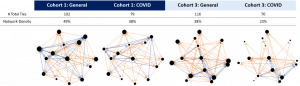
The Carol Emmott Fellowship is pleased to be an Association Sponsor of Modern Healthcare’s 2019 Women Leaders in Healthcare Conference. This conference provides unparalleled access to the industry’s top women executives who are addressing issues related to gender inequity. Whether through networking or interactive question and answer sessions, these women will provide the concrete steps needed to move your career forward. Together we can further the professional and personal development of women in healthcare.

Key conference highlights include:

·       Building a roadmap for your career trajectory

·       Best practices in leadership strategies from inspiring healthcare executives

·       Creating and maintaining gender diversity on your team, in your department and on boards

The Women Leaders in Healthcare Conference will take place July 31-August 1, 2019 in Chicago.

For more information and to register, please visit: www.modernhealthcare.com/womenleaders

18 women leaders selected for class of 2019

The 14-month program expands the leadership capacity of the fellows, who are chosen for their ability to deliver results within their organizations and potential to advance to senior executive roles in health. 

The Carol Emmott Fellowship selected 18 women from 16 health organizations nationwide for its class of 2019. They will be part of a unique program for accomplished professionals who have demonstrated potential to ascend to senior executive and board-level roles. 

The fellowship is customized for each cohort and expands the connections and experiences that top leadership candidates require to have the most influence in improving health for all. Fellows are nominated by their sponsoring organization and compete for acceptance into the program with a proposed impact project that transcends their current role to advance an area of health. They continue to work for their organizations during the fellowship, which provides them with more opportunities to increase their visibility in their health communities while building a network of relationships with other top leaders as they implement their impact projects.  

The program fills a crucial unmet need in overcoming gender disparity by accelerating the leadership capacity and impact of women leaders in health. Women are significantly underrepresented in senior executive and board-level positions in health. This inequity deprives the fields of health and medicine of the full range of talents, skills, and perspectives that gender parity affords. 

“Investing in women leaders will transform healthcare,” said Christine Malcolm, executive director of the Carol Emmott Fellowship. “The fellowship’s mission is shared by the men and women who hold executive positions today, see the gaps created by gender disparity, and are committed to serving as our advisors, mentors, and partners.” 

The class of 2019 reflects a broad range of disciplines from palliative medicine to finance. Learn more about the fellows by reading their biographies.  

 When fellows complete the program, they join the Carol Emmott Fellowship alumnae network. Watch videos of the class of 2017 and class of 2018, and learn how they have made a difference through their impact projects, which include reducing infant mortality, expanding access to mental health services, addressing the opioid crisis, and more.  

“Women begin the Carol Emmott Fellowship program with the talent and ideas needed to transform healthcare practice,” said Mary Pittman, DrPH, Carol Emmott Fellowship Board member and CEO and president of the Public Health Institute. “And they emerge with the networks, concrete experience, and support that make those ideas a reality. We’ve seen remarkable change as a result.”

Carol Emmott Fellowship Class of 2019 and Sponsoring Organizations

 Cecilia Aviles, RN, BSN, MBA
Area Operations Executive
Sutter Health, Palo Alto Medical Foundation
Sponsor: Sutter Health

Joanne Berrios, CPA, M.Acc.
Chief Financial Officer
GuideWell Health
Sponsor: BDC Advisors

Sandra Culbertson, MD
Chair, Women’s Health
Geisinger Health System
Sponsor: Geisinger Health System

Sheila Dugan, MD
Professor and Interim Section Director of Physical Medicine and Rehabilitation
Department of Neurosurgery, Rush University Medical Center
Sponsor: Rush University Medical Center

Angie Everett, LCSW, CCM, LNHA
Service Line Administrator, Post Acute and Rehabilitation Services
North Mississippi Medical Center
Sponsor: BDC Advisors

Wendy Fielding, MBA
Vice President, Financial Planning
Dartmouth-Hitchcock Health
Sponsor: Dartmouth-Hitchcock

Melissa Gerdes, MD, FAAFP, CHCQM
Executive Medical Director Clinical Effectiveness and Integration
John Muir Health
Sponsor: John Muir Health

Linda Gifford, MBA, FACHE
Vice President Detroit Ambulatory Operations
Henry Ford Health System
Sponsor: Henry Ford Health System

Tamera Howell, MD
Physician; Obstetrics and Gynecology Section Co‐Chief
Carilion Clinic New River Valley Medical Center
Sponsor: Carilion Clinic

Cynthia Lee, MPA
System Vice President, Strategy and Business Development
Sutter Health
Sponsor: Sutter Health

Catherine Liao, MSPH
Assistant Vice President of Government Relations
Duke University Health System
Sponsor: Duke University Health System

Kelly Motadel, MD, MPH
Chief Medical Officer
Vista Community Clinic
Sponsor: Vista Community Clinic

Ije-Enu Nwosu, MBA
Executive Director, Impact Spending – Buy to Pay
Kaiser Permanente
Sponsor: Kaiser Permanente

Nina O’Connor, MD, FAAHPM
Chief of Hospice and Palliative Care
University of Pennsylvania Health System
Sponsor: University of Pennsylvania Health System

Mary Oseid, MHCDS
Vice President, Regional and System Integration
Dartmouth-Hitchcock Health
Sponsor: Dartmouth-Hitchcock

Amy Ross, MHA
Vice President, Office of Strategic Planning
University of Chicago Medicine
Sponsor: University of Chicago Medicine

Pamela Scagliarini, MBA
Chief Operating Officer, Bridgeport Hospital
Senior Vice President, Yale New Haven Health System
Sponsor: Yale New Haven Health System

Tammy Simon, RN, MSN
Administrator for the Institute for Quality, Innovation and Patient Safety
Marshfield Clinic Health System
Sponsor: Marshfield Clinic Health System

Women Leaders in Health Making a Difference

In this video, members of the Carol Emmott Fellowship’s class of 2018 talk about how the program is shaping their careers, expanding their professional networks, and how their impact projects are making a difference.

In this video, members of the Carol Emmott Fellowship’s class of 2018 talk about how the program is shaping their careers, expanding their professional networks, and how their impact projects are making a difference.

Fellowship Always Evolving

The Carol Emmott Fellowship supports outstanding health leaders as they stretch outside of their usual roles to expand their influence and national visibility. Fellows venture beyond their job descriptions, beyond their institutions, and beyond their existing networks while expanding their leadership capabilities as they move through the 14-month program.  

The Carol Emmott Fellowship supports outstanding health leaders as they stretch outside of their usual roles to expand their influence and national visibility. Fellows venture beyond their job descriptions, beyond their institutions, and beyond their existing networks while expanding their leadership capabilities as they move through the 14-month program.  

With each class, the fellowship finds new and exciting ways to customize its offerings in response to the unique needs and skill sets of each class. 

The educational framework that supports this singular fellowship is multifaceted. Fellows are paired with hand-selected senior mentors and participate in monthly webinars, which are led by experts in their field. Four times a year, they gather for in-person convergence conferences, providing them with opportunities to connect and coach each other, as well interact with some of the top-level health executives in the nation. Each fellow also completes an impact project that demonstrates leadership beyond the boundaries of their current role.

The learning extends beyond these experiential program components.This year the fellowship developed a 12-week optional Strategy Practicum to allow more exposure to high level strategic thinking and methods.

“We heard from sponsoring organizations that some of our fellows are great operational leaders but need additional strategic insight to move to the next level,” said Christine Malcolm, executive director. “We offered the practicum to stretch the fellows who elected to participate to work one-on-one with an expert with over two decades of strategy experience, and to engage with their senior leadership in a series of important strategic conversations.” 

Personal strategy advisors, many of whom are either their health system’s chief strategy officer or are senior strategy partners in consulting firms, volunteered to coach our fellows through the practicum. Each fellow is in a unique context. Some organizations’ strategies are accepted and spread across their health system – others are in development. Each fellow works with her institution’s chief executive officer, chief financial officer, and chief strategy officer and others to both more fully understand their strategy and develop a subsidiary strategic plan fully aligned with that of their organization. 

“One of our fellows was planning to develop a strategy for the medical group she leads and has now been asked to lead the development of a strategy for all medical groups in that region of the health system,” Malcolm said. “Many of the fellows who are participating believe that their leaders now view them differently.”

The fellowship also created a more formalized way for fellows to problem-solve and share insights together. The MindShare exercise is a newly implemented curriculum element developed in conjunction with fellows from the inaugural class. They saw the need for more devoted self-coaching exercises that address real time issues. MindShare leverages key elements of dominant management methodologies in a facilitated process that allows fellows to use each other as expert advisors. They bring challenges to the group that then shares insights from their experiences and brainstorms new solutions.

“In creating a learning community, we’re crossing all kinds of lines. We encourage the fellows to educate each other, because they bring so much experience and such varied perspectives,” said Doug Riddle, the fellowship’s curriculum director and a senior fellow at the Center for Creative Leadership. “It’s an ecosystem of learning. Theirs is an important voice.” 

The fellowship continually tailors specific pieces of its program for each cohort, evolving to support the acceleration and impact these women leaders have in their institutions and broader health communities. 

18 women leaders selected for class of 2018

Carol Emmott Fellows are chosen for their potential to make an impact and advance to senior executive roles in health.  

Carol Emmott Fellows are chosen for their potential to advance to senior executive roles and make an impact in health

The Carol Emmott Fellowship selected 18 women from 15 health organizations nationwide for its class of 2018. They will be part of a one-of-a-kind program for accomplished professionals who have demonstrated potential to ascend to senior executive and board-level roles.

The fellowship is tailored to expand the connections and experiences that top leadership candidates require to have the most influence in improving health for all. Fellows are nominated by their sponsoring organization and compete for acceptance into the program with a proposed impact project that transcends their current role to advance an area of health. They continue to work for their organizations during the fellowship, which provides them with more opportunities to build networking relationships with other top leaders as well as exercise high-level skills as they implement their impact projects.

The program fills a crucial unmet need in overcoming gender disparity by accelerating the leadership capacity and impact of women leaders in health. Women are underrepresented in senior executive and board-level positions in health because of systemic barriers that influence decision making.

“We will all benefit when men and women from diverse backgrounds, disciplines, and perspectives lead together,” said Christine Malcolm, executive director of the Carol Emmott Fellowship. “The fellowship’s mission is shared by the men and women who hold executive positions today, see the gaps created by gender disparity, and are committed to serving as our advisors, mentors, and supporters.”

The newly selected class represents an expansion of the program, growing from 15 to 18 fellows and from 12 sponsoring organizations to 15. The class of 2018 also reflects a broader range of disciplines from emergency medicine and surgery to healthcare information technology and finance. Learn more about the fellows by reading their biographies and read more about the fellowship, an independent program based at the Public Health Institute, a California nonprofit, by visiting this page.  

When fellows complete the program, they join the Carol Emmott Fellowship alumnae network. Watch this video to learn more about the class of 2017 and how they are making a difference through their impact projects, which cover areas as broad as the opioid crisis, care disparities, and suicide prevention.

“Healthcare faces daunting challenges and the Carol Emmott Fellowship provides opportunities for these talented leaders to advance medicine and healthcare delivery,” said Mary Pittman, DrPH, Carol Emmott Fellowship Board member and CEO and president of the Public Health Institute. “The vision of the fellowship program is to engage leaders who aspire to lead healthcare in new and more collaborative ways.”

Class of 2018 Fellows

Margaret Damiano, MBA, Associate Dean for Administration and Finance; University of California, San Francisco at Zuckerberg San Francisco General
Sponsor: Blue Shield of California Foundation

Karen T. Harris, RN, MSN, WHNP-BC, Chief Nurse and Operations Executive; Henry Ford West Bloomfield Hospital
Sponsor: Henry Ford Health System

Philynn Hepschmidt, M.Ed., Associate Executive Director, EHR Transformation; Penn Medicine
Sponsor: University of Pennsylvania Health System

Marissa Kiefer, MHSA, Vice President, Maternity and Newborn Health & Statewide Partnerships; Riley Children’s Health
Sponsor: BDC Advisors on behalf of Riley Children’s Health

Monica Kogan, MD, Attending Physician, Director Pediatric Orthopaedic Surgery Division, Residency Director, Assistant Professor; Rush University Medical Center
Sponsor: Rush University Medical Center

Michelle Lopes, MSN, RN, NEA-BC, Senior Vice President Patient Care Services/Chief Nursing Officer; John Muir Health, Walnut Creek Medical Center
Sponsor: John Muir Health

Elizabeth M. Mahler, MD, Vice President, Patient Health Management; Sutter Health
Sponsor: Sutter Health

Jessica Melton, MHA, Vice President, Medical Surgical and Critical Care Services; Duke University Hospital
Sponsor: Duke University Health System

Teresa Mock, MD, MBA, Senior Vice President; Mercy Medical Center North Iowa/Trinity
Sponsor: Trinity Health

Maria Padin, MD, FACOG, Chief Medical Officer; Dartmouth-Hitchcock
Sponsor: Dartmouth-Hitchcock Health System

Shaun Raleigh, MBA, RMA, Executive Director; Affinia Health Network/Mercy Health
Sponsor: Trinity Health

Meredith Sciarrio, MBA, Director, Strategy & Integration, Community Partnerships Division; Providence St. Joseph Health
Sponsor: Providence St. Joseph Health

Melody States, RN, CNOR, CASC,Chief Operating Officer, Sutter Surgery Center Division; Sutter Health
Sponsor: Sutter Health

Julie Stoss, JD,Vice President, Government Relations; Kaiser Permanente
Sponsor: Kaiser Permanente

Lisa Stump, MS, RPh, FASHP, Senior Vice President and Chief Information Officer; Yale New Haven Health and Yale School of Medicine
Sponsor: Yale New Haven Health System

Andrea Wary, M.Ed., BSN, RN, Associate Vice President, Department of Emergency Medicine, Geisinger Health System
Sponsor: Geisinger Health System

Haimanot (Monnie) Wasse, MD, MPH, Professor of Medicine, Vice Chair of Patient Quality & Safety, Director, Interventional Nephrology; Rush University Medical Center
Sponsor: Rush University Medical Center

Teri Wilczek, MS, CFRE, Chief Philanthropy Officer; Marshfield Clinic Health System Foundation
Sponsor: Marshfield Clinic Health System

In Their Words: Video

The Carol Emmott Fellowship’s class of 2016/17 share their experiences and insights on professional development in this video.

The Carol Emmott Fellowship’s class of 2016/17 share their experiences and insights on professional development in this video.

Announcing Inaugural Class of the Carol Emmott Fellowship for Women Leaders in Health

Fifteen dynamic and innovative women from across the US have been selected to the inaugural class of the Carol Emmott Fellowship (CEF), a cutting-edge program based at the Public Health Institute which accelerates the leadership capacity and impact of women leaders in health.

Transformative leadership development program seeks to be a game changer

Fifteen dynamic and innovative women from across the US have been selected to the inaugural class of the Carol Emmott Fellowship (CEF), a cutting-edge program based at the Public Health Institute which accelerates the leadership capacity and impact of women leaders in health.

The newly launched Fellowship is one of only a few mid-career initiatives seeking to fill a critical vacuum in establishing the next generation of women leaders who will further transform health.

“These women are uniquely qualified to address the social determinants of health and bridge the disparities in leadership and throughout healthcare,” observed Joanne Conroy, chief executive officer of Lahey Hospital and Medical Center, a Founding Sponsor.

“They are accomplished professionals already demonstrating outstanding leadership abilities and results,” said Christine Malcolm, director of the Fellowship. “They are of diverse backgrounds and health disciplines, and are well positioned to have significant impact across the spectrum of health services.”

The Fellows were nominated by 12 prestigious Founding Sponsors – organizations committed to working with the Fellowship to shape a growing network of remarkable women in the top ranks of leadership, with the tremendous influence that confers.

The 14-month intensive program pairs Fellows with hand-selected mentors who are nationally recognized senior health leaders. Each Fellow will plan and direct an impact project in her health community and “pay it forward” with the subsequent class of Fellows, thus developing a pipeline and rich, lifelong network of collaborators and influencers.

“While the need for smart, savvy, caring leaders in this turbulent era of healthcare has never been more important, women leaders continue to be significantly underrepresented in STEM, the C-suite and the Boardroom,” noted Carilion Clinic’s President and CEO Nancy Howell Agee, a Founding Sponsor of the program.

Though women dominate the lower and mid-level healthcare workforce and comprise half the enrollment in US medical schools, their numbers remain scarce not only in the CEO and Boardroom ranks but in academic deanships. Pay disparities continue at all levels, most notably for physicians. Women of color face added barriers. When coupled with the fact that women make the overwhelming majority of family health decisions, it is imperative to close the gap – for benefit of the consumer, the organization, and the nation’s GDP.

Studies show that leadership and mentoring help women reach more senior positions and can close gaps in pay as well. “The Carol Emmott Fellowship creates a strong network of colleagues and mentors so women can further hone leadership skills and capabilities—and then these women can mentor the next generation,” stressed Mary Pittman, DrPh, chief executive officer and president of the Public Health Institute and member of the CEF governing board. “This represents a huge shift in how we build opportunity, and ultimately see more women’s voices reflected in healthcare decisions and policies.”

The Fellowship reflects the life work of Carol B. Emmott (1946-2015), who throughout her 40-year career in health policy and executive search was instrumental in and dedicated to the rise of women to the upper echelons of the health sector.

Each of the Founding Sponsors is providing a remarkable opportunity for these women leaders in their health community and beyond. Short biographies for each Fellow are available at CarolEmmottFellowship.org/Fellows.


FELLOWS AND SPONSORING ORGANIZATIONS

  • Cynthia Boyd, MD, associate professor of medicine, vice president, chief compliance officer, Rush University Medical Center, assistant dean of admissions & recruitment, Rush Medical College, Rush University Medical Center, Chicago, IL

  • Gina L. Calder, MPH, vice president of ambulatory services, Bridgeport Hospital, Yale New Haven Health System, New Haven, CT

  • Carolyn Carpenter, MHA, FACHE, chief operating officer, Duke University Hospital, Duke University Health System, Durham, NC

  • Tracey W. Criss, MD, interim co-chair, department of psychiatry, assistant dean for clinical science years 3 and 4, Virginia Tech Carilion School of Medicine, Carilion Clinic, Roanoke, VA        

  • Girlynda Gonzales, MSN, RN, CCRN, NEA-BC, executive director of adult inpatient services, Walnut Creek Campus, John Muir Health, Bay Area, CA

  • Thomasine Gorry, MD, MGA, associate professor of clinical ophthalmology & cataract surgery, University of Pennsylvania School of Medicine, University of Pennsylvania Health System, Philadelphia, PA

  • Richa Gupta, MBBS, MHSA, chief quality officer, Rush University Medical Center, Chicago, IL

  • Tonya Hongsermeier, MD, MBA, vice president & chief medical information officer, Lahey Hospital and Medical Center, Burlington, MA

  • Chantel Johnson, RN, PhD, NE-BC, director of pediatrics, Palo Alto Medical Foundation, Mountain View, CA

  • Jeri Koester, vice president of operations, MCIS, Inc. Marshfield Clinic Health System, Inc., Marshfield, WI

  • Martha Lauderdale, MPA, director, Sutter improvement system, interim vice president ancillary operations, Palo Alto Medical Foundation, Mountain View, CA 

  • Barbara Ronda, MHSA, associate vice president & chief administrative officer, University of Miami Health System/BDC Advisors, Miami, FL

  • Carey Unger, MHA, associate vice president, neurosciences & behavioral health, Duke University Health System, Durham, NC

  • Donna Wellington, MBA, BSN, vice president operations, Henry Ford Hospital, Henry Ford Health System, Detroit, MI

  • Marva Williams-Lowe, PharmD, MHA, regional director of pharmacy, Dartmouth-Hitchcock Health System, Hanover, NH

###

The Carol Emmott Fellowship for Women Leaders in Health is designed to further outstanding mid-career women leaders by developing the networks and leadership capabilities required to create constructive change in the health field. It is an independent program based at the Public Health Institute, a California nonprofit. To learn more about the Carol Emmott Fellowship, please visit us at CarolEmmottFellowship.org.

Case For Change

Articles and resources about gender parity and the case for change.

Articles and resources about gender parity and the case for change.

“What Programming’s Past Reveals About Today’s Gender-Pay Gap” by Rhaina Cohen, The Atlantic

“Columbus: Why healthcare giant is focusing on female leadership” by Carrie Ghose, Columbus Business First, Bizwomen

“America’s healthcare industry still afflicted with gender equality issues in leadership” by Dr. Halee Fischer-Wright, Modern Healthcare

“Gender gap in medical schools: Female doctors make $20K less than male doctors” by Ariana Eunjung Cha, Washington Post

“Even Doctors Can’t Cure the Pay Gap” by Jessica Bartlett, Boston Business Journal

“Do Women Everywhere Suck at their Jobs?” by Katy Waldman, Slate
 

“It’s Not Getting Any Easier For Women To Become CEOs” by Emily Peck, The Huffington Post
 

“Is this the reason there aren’t more female leaders?” by Emma Luxton, World Economic Forum
 

“The weird thing that happens when you put more women in the boardroom” by Danielle Paquette, The Washington Post
 

“By the numbers: Getting 100 women in Fortune 500 C-Suites by 2025” by Betsey Guzior, Bizwomen- The Business Journal
 

“Women hold 20% of board seats at S&P 500 companies” by Emily Rappleye, Becker’s Hospital Review

“How GE and UN Women Plan to Put More Women in Top Global Health Jobs” by  Terri Bresenham ,  Lakshmi Puri, Fortune
 

“John Gerzema, ‘The Athena Doctrine’ Author, Says Leaders Should Embrace ‘Feminine Traits And Value’” The Huffington Post
 

The Global Gender Gap Report 2015, World Economic Forum


“Integrating Work and Life” by Julie Coffman, Pricilla Schenck, and Melissa Artebane, a Bain Brief


“Another Study Shows Little Progress Getting Women on Boards” by Rachel Feintzeig, Wall Street Journal